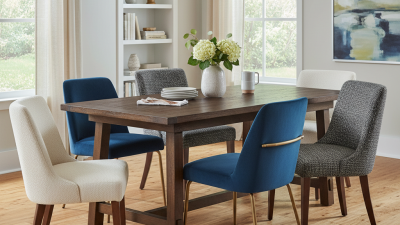
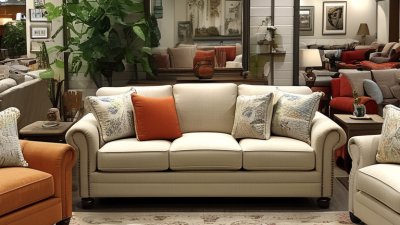
Buying fabric dining chairs wholesale can look straightforward until samples arrive and the fabric feels different under bright showroom lights. For restaurants, hotels, and furniture retailers, a chair must balance appearance, comfort, durability, and a realistic landed cost. One attractive unit is not enough. Buyers need to know how the full order will perform across many seats and repeated use.
A careful purchasing process starts with the setting. Consider daily traffic, cleaning routines, table height, and the space available for delivery and storage. Ask suppliers for clear specifications, including frame materials, upholstery composition, dimensions, care instructions, and available testing information. Request fabric swatches and, when practical, inspect a finished sample before confirming quantities. Small details matter. A puckered seam, rocking leg, or batch-to-batch color shift can affect an entire room. Worth checking.
Check the minimum order quantity, production timeline, packaging, shipping terms, and process for handling damaged goods. Compare quotations on the same basis; a low unit price may exclude costs that matter later. Keep written records of agreed colors, finishes, and tolerances. It is sensible to ask direct questions. Not every supplier will answer with equal detail, and buyers should verify important claims rather than rely on polished product photos. Some uncertainty remains, especially with large orders. These seven tips offer a practical framework for assessing quality, supplier reliability, and value before committing to wholesale fabric dining chairs.

Before requesting wholesale quotes, map out where the chairs will be used. A busy restaurant needs different fabric from a small meeting room or occasional-use dining space. Estimate daily seating hours, expected chair count, cleaning frequency, and replacement needs. Measure table height and aisle widths, too; a chair that looks right in a sample can crowd a real floor plan. Small details matter.
Specify fabric performance in measurable terms. The Association for Contract Textiles (ACT) lists 30,000 or more double rubs as a heavy-duty benchmark for woven upholstery, while 15,000 is a common light-duty threshold. Treat these figures as abrasion guidance, not a guarantee of stain resistance or long service life. Ask suppliers for test documentation and separate results for colorfastness, pilling, and cleaning compatibility. A high rub count alone can mislead.
Then define the feel and appearance you can accept. Request swatches in the actual fabric and color, and check them under your room’s lighting. Note whether a textured weave, visible seams, or slight shade variation is acceptable across a large order. Confirm fabric composition, cleaning instructions, lead time, and minimum order quantity in writing. Wholesale planning can miss a practical point: a fabric that cleans easily may still feel too warm during long meals.

Tip: Start with upholstery. Request fabric specifications for fiber content, abrasion results, colorfastness, and cleaning guidance. Numbers help, but they do not tell the whole story. Rub a swatch between your fingers and inspect its backing. Feel the seams. Loose stitching or puckering may show up after repeated use. A pale fabric can look clean in a sample room, yet reveal every mark in a busy dining area.
Tip: Compare frame materials and joints, not just the finish. Solid wood, plywood, and metal each behave differently under daily movement. Ask how legs connect to the seat frame, and check for reinforcement at stress points. Gently rock a floor sample. Listen for creaks. A chair that feels sturdy on a showroom floor may still loosen over time, so verify construction details across the wholesale order. That extra check can feel fussy, but it is useful.
Tip: Inspect the underside and test several chairs from the same batch. Look for even staples, secure webbing, smooth edges, and consistent seat height. Sit down and shift your weight; notice whether the cushion bottoms out or the frame flexes. One sample is not enough. Still, inspections take time, and a checklist can miss small flaws. Record any concerns before approving production, especially when upholstery, frame finish, or cushion firmness varies between samples.
Wholesale pricing for fabric dining chairs is rarely just a unit price. Ask suppliers to quote the same details: chair frame material, fabric grade, cushion thickness, finish, and packaging. A lower quote may exclude assembly or protective cartons. Request a written breakdown, then compare the total landed cost for your order size. Small differences add up.
Check minimum order quantities alongside price tiers. One supplier may accept 20 chairs at a higher unit cost, while another offers a discount at 100. Make sure the quantity fits your storage space and sales pace. Ask whether mixed fabric colors count toward the minimum; policies vary. Get the answer in writing. Clear terms help.
Before committing, order a sample and inspect the seams, fabric texture, and frame stability under normal use. A photo can hide loose stitching. It happens. Ask how long production takes, what happens if delivery is delayed, and whether replacement parts are available. Compare payment schedules and sample fees, too. Supplier estimates are useful, but they are not guarantees; production details can change, and I would leave room in the schedule for a correction or two. A simple comparison sheet can keep quotes honest: record minimum quantities, lead times, shipping costs, and included services side by side.
Before placing a wholesale order, request a production sample—not just a showroom swatch. Check the chair in daylight and warm indoor light; fabric can shift noticeably between them. Rub a pale cloth across the upholstery, inspect seams, and sit on the chair to feel for uneven padding or a loose frame. Textile Exchange’s 2024 Materials Market Report estimates global fiber production reached 124 million tonnes in 2023, with polyester making up 57%. That scale makes fiber-content checks worthwhile: ask suppliers to state the blend and match it to the order specification.
Small details matter.
Request test reports for abrasion resistance and colorfastness, and confirm the methods used. ISO 12947 covers textile abrasion testing, while ISO 105-X12 addresses colorfastness to rubbing. Compare results across suppliers, but don’t treat a high test score as proof that every chair will wear well; construction and use matter too. For chemical claims, check whether an OEKO-TEX STANDARD 100 certificate is current and covers the exact fabric. Verify the certificate number, scope, and issuing organization rather than relying on a logo in a brochure. It is tempting to approve a sample quickly when a deadline is tight. I would leave room for a second check, especially if bulk fabric comes from a different dye lot. Even careful checks can miss variation.
Before placing a wholesale order, ask for a written production schedule. Get separate estimates for fabric preparation, chair assembly, inspection, and dispatch. A quoted date may mark factory completion, not arrival at your warehouse. Fabric choices can affect timing, especially when a color is not in stock. Build in a buffer for sample approval or production delays. That sounds obvious, but deadlines are easy to misread.
Confirm whether the shipping quote includes freight, liftgate service, and delivery to your actual address. Ask how chairs will be packed and whether cartons can be stacked safely. Request carton dimensions and weights so your receiving team can plan storage and unloading. Freight damage needs a clear reporting window. A phone photo helps. So does keeping the packaging until the claim is reviewed.
Read the return policy before paying a deposit. Some wholesalers accept returns only for defects, while others charge restocking or return freight fees. Clarify who pays when fabric differs from the approved sample or chairs arrive damaged. Ask what evidence is required and how quickly claims must be filed. Even a careful checklist can miss a detail; verify the written terms against the final invoice before approving the order.
| Tip | What to Confirm | Details to Record | Why It Matters |
|---|---|---|---|
| 1. Confirm the production lead time | Ask when production starts and how many calendar or business days it is expected to take. | Production start date, estimated completion date, and any approval or deposit requirements. | A stated production period may not include payment processing, sample approval, or shipping. |
| 2. Check stock and fabric availability | Verify whether the chairs are ready to ship or made to order, and whether the selected fabric and color are available for the full quantity. | Available quantity, fabric name or code, color, and any expected replenishment date. | A fabric shortage or color change can affect the order schedule and consistency across chairs. |
| 3. Get a complete delivery estimate | Ask for the estimated transit time after dispatch and whether the quoted service is curbside, threshold, or room-of-choice delivery. | Dispatch estimate, transit estimate, delivery service level, and any appointment requirements. | “Delivery time” can refer to transit only and may exclude production or appointment scheduling. |
| 4. Review freight charges and access requirements | Confirm what the freight quote includes and disclose stairs, restricted access, limited receiving hours, or other delivery constraints. | Freight charge, included services, possible accessorial fees, and the delivery address details used for the quote. | Additional handling or failed-delivery charges may apply if the shipment needs services not included in the original quote. |
| 5. Ask how chairs are packed and protected | Confirm whether chairs are shipped assembled or flat-packed and how upholstery and frames are protected during transport. | Units per carton, carton dimensions and weight, assembly needs, and packaging protection details. | Packaging information helps with receiving, storage, handling, and checking freight suitability. |
| 6. Read the return and cancellation terms | Check whether wholesale, made-to-order, or fabric-customized items can be returned or canceled, and identify any deadlines or fees. | Return window, eligibility conditions, restocking or return freight charges, and cancellation deadline. | Policies can differ for standard-stock products and custom orders; written terms help prevent misunderstandings. |
| 7. Document inspection and damage claims | Ask what to do if cartons arrive damaged, items are missing, or upholstery or frames have defects. | Inspection instructions, claim contact method, reporting deadline, and required photos or delivery notes. | Prompt documentation can support a freight or product claim and clarify the next steps for resolution. |