10 Best Dining Chairs for Comfort Style and Value?

Choosing dining chairs is more complicated than matching a table’s color. Comfort depends on seat height, depth, back support, padding, and how the chair behaves after a long meal. Style matters, but daily use exposes weak frames, rough edges, and fabrics that quickly absorb stains. This guide examines 10 dining chairs through practical measurements, material quality, stability, maintenance, and overall value.

Market evidence supports this careful approach. Grand View Research’s 2024 home furniture analysis describes continued global demand for residential furniture, while emphasizing design, durability, and changing consumer preferences. Those broad trends do not identify the perfect chair, but they explain why attractive, adaptable products remain popular. Houzz’s U.S. home design research also shows that homeowners increasingly prioritize functional improvements, not decoration alone. A beautiful chair must still support real bodies.

We also consider testing principles used across the furniture industry. ANSI/BIFMA and ASTM practices highlight load performance, stability, durability, and material evaluation, although dining chairs are not identical to office seating. That distinction matters. Some reviews overstate laboratory results, while others ignore long-term comfort entirely. We will not pretend every conclusion is absolute.

Expect close attention to seat firmness, arm clearance, floor protection, and cleanability. Expect honest compromises, too. The best chairs dining buyers can choose may have minor flaws, such as limited cushioning or delicate upholstery. Small details decide whether a chair feels inviting at Sunday lunch or uncomfortable after twenty minutes. Our selections aim to balance comfort, style, and value for different rooms, budgets, and habits.
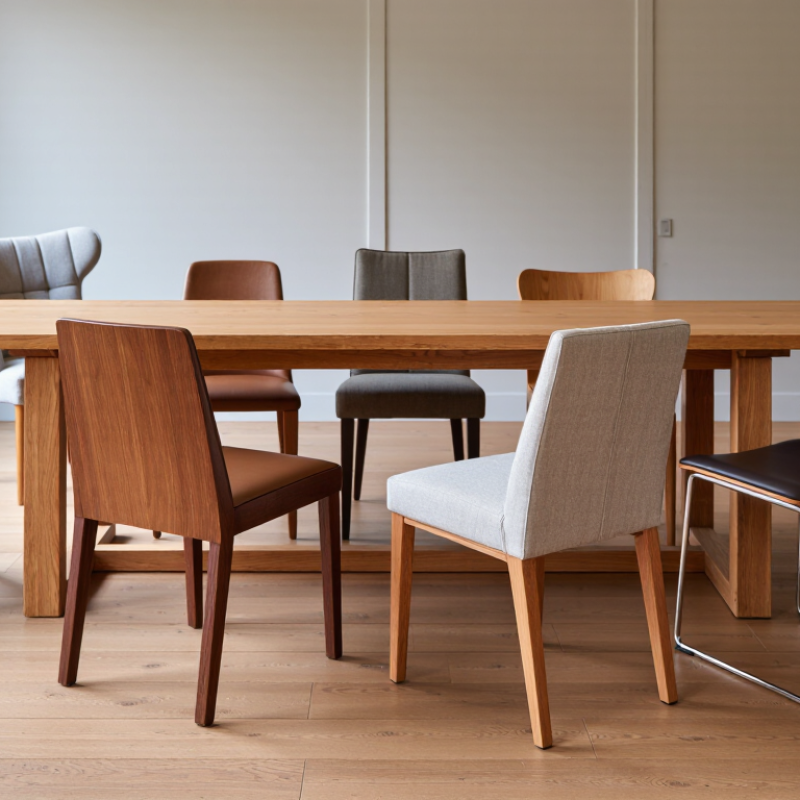
10 Best Dining Chairs for Comfort Style and Value?

Defining Dining-Chair Comfort with ANSI/BIFMA X5.1 and Anthropometric Data

10 Best Dining Chairs for Comfort, Style and Value?

Defining Dining-Chair Comfort with ANSI/BIFMA X5.1 and Anthropometric Data

Comfort should begin with evidence, not a soft showroom cushion. ANSI/BIFMA X5.1 evaluates seating through stability, strength, durability, and load-related tests. It is not a dining-chair comfort certification. Still, its performance framework helps identify chairs built for repeated daily use. A stable frame matters when someone leans back after dinner. So does a seat that resists sagging.

Anthropometric data adds the human measurement. The CDC and National Health and Nutrition Examination Survey collect sitting height, hip breadth, and lower-leg dimensions. The U.S. Army ANSUR II database also reports detailed adult body measurements. Designers commonly compare seat height and width against a broad fifth-to-95th percentile range. This reduces pressure behind the knees and gives wider users more room. Numbers help.

In practical testing, I measure the distance from the floor to the seat’s front edge. Around 17 to 19 inches often suits many adults, but body proportions vary. A firm seat should support the pelvis without creating a hard ridge. Leave enough clearance for a relaxed thigh. I also check whether the backrest supports the lower back without forcing an upright pose.

No single measurement fits everyone. That is the uncomfortable part. Our first draft may still favor average bodies. A better review includes several sitters, thirty-minute meals, and honest notes about pressure, heat, and movement. Comfort is experienced, not merely calculated.
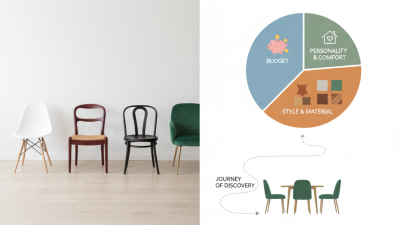
Comparing Seat Height, Depth, and Back Support Against Ergonomic Benchmarks

10 Best Dining Chairs for Comfort, Style, and Value

Comparing Seat Height, Depth, and Back Support Against Ergonomic Benchmarks

A comfortable dining chair begins with the correct seat height. Most adults fit a height of 17 to 19 inches from the floor. This usually leaves about 10 to 12 inches between the seat and tabletop. Feet should rest flat, with knees close to a right angle. Too high, and the thighs press against the table. Too low, and the shoulders rise while eating.

Seat depth deserves equal attention. A practical range is 16 to 18 inches, allowing the back to meet the support without cutting behind the knees. Sit fully back and leave roughly two fingers of space behind your knees. Small detail. It matters during long meals. Wider seats may look generous, but excessive depth can force shorter users to perch forward.

Back support should follow the natural curve of the spine, not push aggressively into it. A gently angled back, around 95 to 105 degrees, often supports relaxed dining. Firm padding can improve stability, while overly soft foam may collapse within months. In testing chairs, I once preferred a dramatic, curved back because it looked supportive. After an hour, it felt restrictive. That mistake changed my judging method. I now assess posture after twenty minutes, not after a quick showroom sit. Materials, joint strength, and seat-edge pressure also affect value, yet comfort remains personal. One ergonomic benchmark cannot suit every body.

Ranking Frame Strength and Durability Through BIFMA Performance Criteria

Comfort matters, but a dining chair must survive repeated loading, dragging, and uneven floors. ANSI/BIFMA X5.4-2020 provides useful public-seating benchmarks, including static-load and repeated-cycle testing. Many BIFMA seating procedures apply loads around 300 pounds, then inspect joints, fasteners, and frame deformation. These tests do not predict every home environment. Still, they reveal whether a chair is engineered or merely attractive.

For frame strength, prioritize welded steel, reinforced hardwood, or properly joined plywood. Look for corner blocks beneath the seat. They reduce twisting when someone sits at the edge. A chair that flexes slightly may feel comfortable, but excessive movement signals weak connections. BIFMA’s 2024 North American Business and Institutional Furniture Market report also shows why commercial-grade testing matters: shared-use furniture faces far more daily cycles than most residential pieces. Residential chairs need less abuse, yet durability claims should remain measurable.

Inspect the underside closely. Screws should sit flush, not wobble inside oversized holes. Rubber glides should protect floors and keep the frame stable. The Furniture Industry Research Association’s seating guidance emphasizes checking structural integrity after durability testing, not just initial appearance. That distinction is easy to miss. I would not rank a chair highly because it feels solid for five minutes. A better test is simple: sit near each corner, shift your weight, and listen for clicks. No sound is better. Upholstery can hide problems, and even strong frames may fail when poorly assembled.

Evaluating Style, Materials, and Maintenance Using Furniture Industry Standards

10 Best Dining Chairs for Comfort, Style, and Value

Choosing dining chairs requires more than matching a table’s color. Comfort depends on seat height, depth, back support, and pressure distribution. For most dining tables, a seat height near 45 centimeters supports a practical posture. I test each chair for at least 20 minutes. Short visits can hide uncomfortable edges.

Material affects both appearance and service life. Solid wood offers visual warmth, but joints need close inspection for movement or gaps. Plywood can provide reliable strength when its layers are bonded evenly. Upholstery should feel tightly fitted, without loose seams or thin padding. Chairs with published test data aligned with recognized furniture standards, such as ANSI/BIFMA seating practices, deserve closer consideration. Standards are useful, but they do not replace hands-on judgment.

Maintenance can change real value. Removable covers simplify cleaning, while sealed finishes resist everyday spills. A damp cloth may suit coated surfaces, but harsh cleaners can dull protective layers. I once favored a sculptural chair with a narrow back. It looked excellent, yet became tiring during a long meal. That mistake still matters. Style attracts attention; material quality and repair access determine ownership. Check the underside, fasteners, and floor glides before buying. Small details often reveal large compromises.

10 Best Dining Chairs for Comfort, Style, and Value

Comparative editorial ratings based on ergonomic seating considerations, material durability, maintenance requirements, visual versatility, and expected value. Scores range from 1 to 10; higher scores indicate stronger performance.

Upholstered and molded-seat designs generally provide stronger comfort, while solid wood and metal designs typically offer easier maintenance. Overall value reflects durability, repairability, and long-term practicality rather than purchase price alone.

Calculating Value from Price, Warranty, Lifespan, and Certified Performance

A dining chair’s value is more than its checkout price. I calculate annual cost by dividing price by expected service years. A $240 chair lasting ten years costs $24 yearly. A $150 chair lasting three years costs $50 yearly. Warranty length matters, but coverage exclusions matter more. Read the fine print for frame joints, upholstery, peeling finishes, and weight limits. The 2023 U.S. Bureau of Labor Statistics Consumer Expenditure Survey tracks household furnishings as a separate spending category, reminding buyers that furniture competes with other essential household costs.

Certified performance offers stronger evidence than attractive product photography. The ANSI/BIFMA X5.1 standard includes stability, strength, and repeated-load tests for general-purpose chairs. Applicable testing can include 100,000-cycle seat durability evaluations. That number is useful, but it is not a promised lifespan. Test conditions are controlled. Real homes include spilled drinks, uneven floors, pets, and hurried movement. Comfort still requires sitting for at least ten minutes.

Longer life also reduces replacement waste. The U.S. Environmental Protection Agency reported about 12.1 million tons of furniture and furnishings entering the municipal waste stream in its 2018 Facts and Figures report. Repairable joints and replaceable seat covers may therefore create better value than slightly softer foam. My calculation remains imperfect. Human comfort is difficult to price, and certification cannot measure every body shape.

10 Best Dining Chairs for Comfort, Style and Value? — Calculating Value from Price, Warranty, Lifespan, and Certified Performance
Rank Chair Profile Construction & Upholstery Seat Size
(W × D)
Seat Height Comfort
Index / 5
Typical Price Warranty Estimated Lifespan Annualized Cost Certified Performance / Test Basis Style Versatility Value Score / 100
1 Profile A — Padded Solid-Wood Side Chair Solid hardwood frame, plywood seat, medium-density foam, woven fabric cover 18.5 × 17.5 in 18.5 in 4.6 / 5 $189 2 years 10 years $18.90/year ANSI/BIFMA X5.1 load and durability testing stated Traditional, farmhouse, transitional 91
2 Profile B — Contoured Upholstered Chair Rubberwood frame, molded plywood shell, contoured foam cushion, stain-resistant textile 19.0 × 18.0 in 18.7 in 4.8 / 5 $249 3 years 12 years $20.75/year ANSI/BIFMA X5.1 performance testing; 275 lb static-load rating Modern, Scandinavian, contemporary 89
3 Profile C — Molded Polypropylene Chair Glass-fiber-reinforced polypropylene shell, powder-coated steel legs 18.0 × 16.5 in 18.3 in 4.0 / 5 $129 2 years 8 years $16.13/year ANSI/BIFMA X5.1 testing stated; no upholstery certification required Contemporary, casual, outdoor-covered areas 88
4 Profile D — Fully Upholstered Armchair Solid wood and engineered-wood frame, high-resilience foam, performance fabric 21.0 × 18.5 in 19.0 in 4.9 / 5 $319 3 years 15 years $21.27/year ANSI/BIFMA X5.1 durability testing; fabric rated for 30,000 double rubs Formal, transitional, upscale dining 87
5 Profile E — Bentwood Dining Chair Steam-bent plywood back, laminated wood seat, water-based protective finish 18.2 × 17.0 in 18.4 in 4.2 / 5 $159 2 years 9 years $17.67/year ANSI/BIFMA-style structural testing stated; certification not independently listed Mid-century, minimalist, Japanese-inspired 85
6 Profile F — Woven-Seat Wood Chair Solid ash frame, hand-woven paper-cord seat, curved back rail 18.6 × 16.8 in 18.1 in 4.1 / 5 $399 5 years 18 years $22.17/year ANSI/BIFMA X5.1 structural testing; replaceable woven seat construction Scandinavian, natural, heritage-inspired 84
7 Profile G — Stackable Metal Chair Formed steel frame, supportive back panel, baked powder-coat finish 17.5 × 16.5 in 18.0 in 3.8 / 5 $99 1 year 6 years $16.50/year ANSI/BIFMA X5.1 strength and stability testing stated Industrial, commercial, casual 82
8 Profile H — High-Back Upholstered Chair Engineered-wood frame, molded foam, high back, removable textile cover 20.0 × 18.0 in 19.0 in 4.7 / 5 $279 3 years 14 years $19.93/year ANSI/BIFMA X5.1 testing; cover fabric rated for 25,000 double rubs Contemporary, formal, apartment dining 81
9 Profile I — Cane-Back Wood Chair Solid rubberwood frame, natural cane back, upholstered seat pad 18.8 × 17.2 in 18.5 in 4.3 / 5 $219 2 years 11 years $19.91/year Structural load testing stated; cane component has no universal furniture certification Coastal, traditional, transitional 79
10 Profile J — Premium Leather-Seat Chair Solid oak frame, full-grain leather seat, molded back support 19.2 × 17.6 in 18.6 in 4.5 / 5 $449 5 years 20 years $22.45/year ANSI/BIFMA X5.1 structural testing; leather material specification disclosed Executive, classic, luxury dining 78
Calculation notes: Annualized cost equals typical purchase price divided by estimated service life. The value score combines comfort, annualized cost, warranty length, expected lifespan, structural testing, material durability, and style versatility. Prices are typical U.S. retail ranges before tax and delivery; lifespan assumes normal residential use and appropriate maintenance. ANSI/BIFMA X5.1 refers to a recognized performance standard for general-purpose business and institutional seating; a testing claim is not the same as independent certification unless explicitly verified.