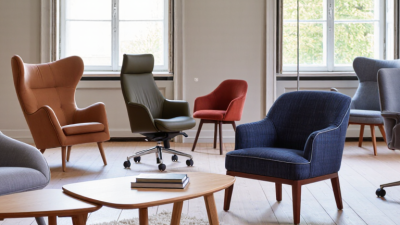
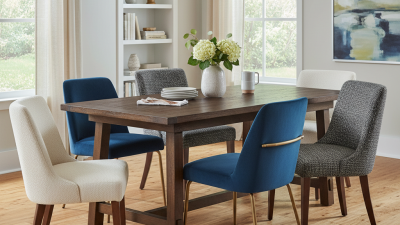
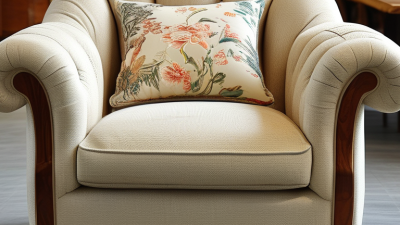
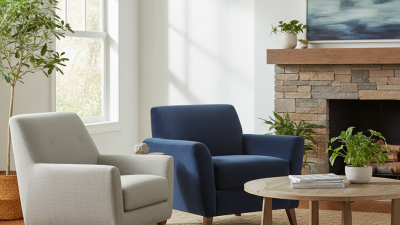
10 Best Upholstered Chairs for Home and Office
An upholstered chair can soften a room, support long work sessions, or give a quiet corner a clear purpose. The right choice depends on more than color. Seat depth, back support, fabric durability, and frame stability all shape daily comfort. Small details matter.
Designer Charles Eames is widely associated with the observation, “The details are not the details. They make the design.” That idea fits upholstered chairs especially well. A smooth seam, firm cushion, and fabric that feels pleasant against the skin can change how a chair performs over time. Still, a beautiful chair may not suit every body or room. There is no universal fit.
This guide explores 10 upholstered chairs for home and office, from compact accent seats to supportive options for a desk or reading nook. We consider practical features such as upholstery, proportions, cushioning, and ease of care. Look closely at the measurements: a chair that appears petite online may crowd a narrow desk, while a deep seat can feel awkward in a small living room. Materials also deserve a second look. Light-colored fabric shows marks more readily, and plush padding may lose its shape sooner than expected. A little compromise is normal. Use these comparisons to find a chair that fits your space, habits, and comfort needs—not just the photograph.
Understanding Upholstered Chairs and Their Everyday Uses
Upholstered chairs combine a supportive frame with fabric, leather, or another padded covering. At home, they may sit beside a dining table, reading lamp, or bedroom desk. In an office, they can soften a meeting room or provide a comfortable seat for focused work. The best choice depends on how long people sit and what the room demands.
Comfort is personal, but a few details are easy to check. Sit back and see whether your feet rest flat and the seat edge leaves space behind your knees. For desk work, adjustable height and steady back support matter more than thick padding alone. Soft fabric feels inviting, yet it can show dust or spills. Performance fabrics may clean more easily, though they can feel less breathable.
Small details matter. Check seams, cushion firmness, and whether the chair rocks or creaks when you shift. A seat that feels plush in a showroom may become tiring after an hour; that is easy to overlook. For shared spaces, durable upholstery and simple cleaning instructions can reduce upkeep. At home, a lighter chair may be easier to move between rooms, but it might slide on smooth floors. Choose with the daily routine in mind, not just the first impression.
Upholstered Chairs: Typical Seat-Height Ranges
Seat height can help match an upholstered chair to its everyday use. Dining and task chairs are generally suited to table or desk work, while lounge and accent chairs tend to sit lower. These are approximate common ranges; dimensions vary by design and manufacturer.
Key Materials, Construction, and Comfort Features
Upholstery shapes both a chair’s feel and its upkeep.
Tightly woven fabrics tend to resist everyday snags, while textured weaves can collect crumbs and pet hair. Polyester blends are often practical for busy rooms; natural fibers may feel breathable but show wear differently. Leather and coated materials wipe clean easily, though they can feel cool at first. Check seams, especially around seat corners and armrests, where tension gathers. Run your hand across the fabric. Feel the edges.
Underneath, a stable frame and well-fitted joints matter more than decorative stitching.
Hardwood and metal frames can both be durable when properly built, so inspect how the legs connect and whether the chair rocks on a level floor. Seat foam should support your weight without feeling like a hard board; foam density can help indicate resilience, but comfort also depends on shape and layering. A chair can look inviting online and still feel wrong after twenty minutes. Sit back and check whether your feet rest flat and the seat edge avoids pressing behind your knees. For office use, adjustable height and supportive armrests may help you fit the chair to your desk. For home use, measure doorways and available floor space before choosing.
Small details matter.
Some cushions soften sooner than expected, so removable covers and replaceable parts are worth checking.
How to Choose a Chair for Home or Office
Choosing an upholstered chair starts with the work it must support. For a desk, check seat height, depth, back support, and armrest clearance. Your feet should rest flat, with a small gap behind your knees. Try the chair at your actual desk; a thick seat cushion can raise you too high. Fit beats appearance.
The National Center for Health Statistics reported that U.S. adults averaged 6.4 hours of sedentary time daily in 2015–2016 (Data Brief No. 364, 2020). That figure is not a target, but it makes everyday comfort worth considering. Choose upholstery that feels breathable in your room and is easy to clean where spills are likely. For shared offices, test whether the fabric, seat, and controls suit different users. At home, measure doorways and desk clearance before buying. A chair alone cannot replace movement breaks, and supportive-looking padding is not proof of ergonomic fit. Small details matter: sit for several minutes, lean back, and notice pressure at your thighs or lower back. If the chair feels almost right, it may still need adjustment.
Ten Upholstered Chairs for Different Spaces and Needs
Upholstered chairs serve different purposes depending on where they sit and how people use them. A dining side chair needs a supportive seat and fabric that can handle crumbs and frequent cleaning. A compact armless chair can fit beside a desk or in a narrow entryway. Small rooms need restraint. An accent chair adds color to a quiet corner, while a broad armchair offers more space for relaxing.
For reading, a chair with a gently angled back and firm arms makes it easier to settle in with a book. A nursery glider needs a smooth, quiet motion and enough padding for longer stretches of sitting. At a home desk, a swivel task chair helps with reaching nearby shelves. An ergonomic office chair adds adjustable support for people who work seated for hours. A conference chair, by contrast, should feel comfortable without taking up too much room around a meeting table.
A recliner suits a living room where putting your feet up matters more than a compact footprint. Fabric choice affects daily use: tightly woven upholstery may be easier to brush clean, while textured cloth can hold dust and pet hair. Check the seat height against the table or desk, and test the back support in person when possible. I once chose a chair by appearance alone; it looked right, but the seat felt too shallow after an hour. Some details are easy to miss.
Cleaning and Maintaining Upholstered Chairs
Upholstered chairs stay fresher with small, regular habits. Check the care label before using water or a cleaning product; fabric and foam can react differently. Vacuum the seat, back, and seams weekly with an upholstery attachment. Crumbs often hide where the cushion meets the frame. For spills, press a clean, dry cloth onto the spot. Blot gently. Rubbing can push liquid deeper or roughen the fabric. Test any cleaner on a hidden area first, then let it dry and check for color changes.
For routine marks, use only the cleaning method recommended on the chair’s label. Too much water may leave a ring or dampen the padding, where drying takes longer. A little patience helps. After cleaning, leave the chair in a well-ventilated room until fully dry; avoid sitting on a damp cushion. In offices, wipe armrests more often because hands touch them throughout the day. Rotate removable cushions when possible to spread wear. Even careful cleaning may not remove an old stain completely, and repeated scrubbing can make the area more noticeable. It is tempting to keep trying, but sometimes stopping is the gentler choice.