Selecting the right upholstered arm chair can significantly enhance your living space. According to a recent report by the American Home Furnishings Alliance, upholstered chairs account for over 30% of furniture sales in the U.S. This emphasizes their central role in home décor. The perfect arm chair serves not just as seating but as a statement piece.
Quality matters deeply in upholstery. A study by the Better Sleep Council revealed that comfortable seating contributes to better rest and well-being. In contrast, poorly chosen chairs can lead to discomfort, affecting daily life. The right upholstered arm chair should combine aesthetics with functionality. It’s critical to consider fabric durability, design style, and overall comfort before making a choice.
Many people overlook the importance of fitting their arm chair to their specific needs. Think about how the chair fits your space and lifestyle. Reflect on how it complements your home’s theme. In a market filled with options, making informed decisions is essential. Choosing an upholstered arm chair is not just about looks; it’s about creating an inviting and functional environment.
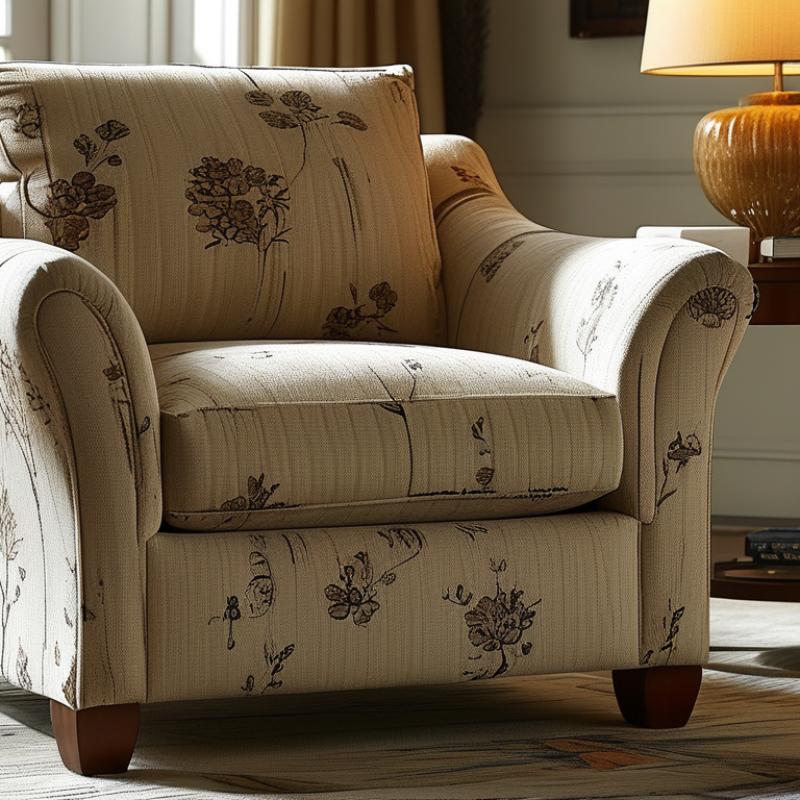
Choosing the right upholstery fabric for an armchair is crucial. Different fabrics offer various levels of durability and maintenance requirements. For instance, fabrics like leather may last up to 15 years with proper care, while cotton blends might need replacement in just 5 to 7 years due to wear and tear.
Moreover, the maintenance of these fabrics varies significantly. Leather requires regular conditioning to prevent cracking, while polyester is often easier to clean, being resistant to stains. A recent industry report revealed that 70% of consumers prioritize easy maintenance when selecting upholstery. This is important, especially for households with kids or pets.
Consider also the environmental impact of your fabric choice. Some materials, like organic cotton or hemp, have lower environmental footprints. However, they might sacrifice durability, prompting you to replace them more frequently. Each fabric type has its trade-offs, and understanding these can lead to a well-informed decision. Striking a balance between aesthetics, durability, and ease of maintenance is essential for your upholstered armchair selection.
| Upholstery Fabric | Durability (1-10) | Maintenance Level | Stain Resistance | Comfort Level (1-10) |
|---|---|---|---|---|
| Cotton | 6 | Moderate | Low | 7 |
| Polyester | 8 | Low | Moderate | 8 |
| Leather | 9 | Low | High | 9 |
| Linen | 5 | Moderate | Low | 6 |
| Microfiber | 8 | Low | High | 8 |
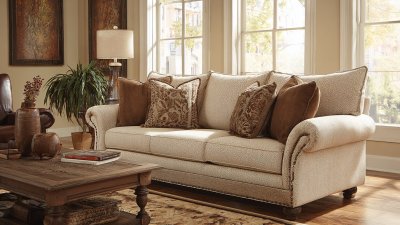
When it comes to upholstered arm chairs, dimensions play a crucial role in ensuring comfort and support. According to the American Chiropractic Association, improper chair height can lead to back pain. Standard seat height is between 17 to 19 inches, but individual needs may vary. For optimal fit, your feet should rest flat on the ground.
Choosing a chair with the right width and depth is essential as well. The ideal seat width ranges from 20 to 24 inches. This ensures ample space for comfort without feeling too loose. Depth is equally important; a range of 18 to 22 inches typically accommodates most people.
Consider your body type when evaluating these dimensions. If you have longer legs, a deeper seat depth might be necessary. Ensure the armrests align with your elbows while seated, ideally around 23 to 25 inches from the ground.
Remember, testing a chair in-store is invaluable. Sit down and assess how it feels; does it support your lower back? Comfort is subjective, and what suits one person may not work for another. Regularly seeking feedback about your selection process can also refine your choices and enhance your overall satisfaction.
When choosing an upholstered armchair, the frame construction plays a vital role in longevity. A chair's frame can be made from various materials, but hardwood is typically the most durable choice. Research indicates that chairs with solid wood frames are likely to last up to 15 years longer than those with particleboard frames. This is crucial for homeowners looking for long-term investment furniture.
Consider the joints in the frame. Chairs that are glued and stapled may not endure heavy usage as well as those with dowel joints or corner blocks. According to industry experts, well-constructed joints can improve stability significantly. Affected components could fail, leading to an uncomfortable seating experience or even injury. Regularly checking the frame can prevent unexpected issues down the line.
Many consumers overlook how frame construction affects style and comfort. A robust frame gives an armchair a solid foundation for its cushioning. It supports the upholstery even under heavy use. Examining the frame may reveal subtle flaws, like visible warping or loose screws. Not all armchairs labeled "sturdy" live up to expectations. Taking time to assess these factors ensures you choose wisely, balancing aesthetics with practical needs.
When assessing style and aesthetic appeal for an upholstered arm chair, consider the existing decor. Your chosen chair should complement or enhance the room. According to a recent industry report, 70% of homeowners prioritize harmony in their interior design. The colors, patterns, and materials of your chair play a vital role in this process.
Selecting a fabric that resonates with your decor can be challenging. Neutral tones are versatile, while bold colors can serve as focal points. A study found that 55% of buyers opt for colors that reflect their personality. However, choosing a fabric that matches your lifestyle is also crucial. For instance, a velvet chair may look luxurious, but it may not hold up well in high-traffic areas. Consequently, it's essential to balance appearance with practicality.
The shape of the armchair should fit the overall theme of your room. Modern designs with clean lines offer a sleek new look. In contrast, traditional styles may evoke comfort and nostalgia. Industry experts suggest trying different styles in person. This helps ensure the chair's frame and texture complement your current furnishings. Ultimately, it’s about finding the right equation between aesthetics and usability. Keep in mind that imperfections can lead to reflections of your taste and lifestyle choices.
Finding the right upholstered armchair can be daunting, especially when weighing budget and quality. According to a study by the American Home Furnishings Alliance, consumers often overlook that a well-made chair can elevate their living space and last significantly longer. Skimping on quality might save money upfront, but it can lead to more replacements in the long run.
When setting your budget, consider the materials used in the chair's construction. High-quality upholstery choices include durable fabrics, such as microfibers and leather, which tend to withstand wear and tear. Tip: Inspect the frame. Solid wood frames typically last longer and provide a sturdier base compared to particleboard.
Think about how often you'll use the chair. If it’s for everyday use, investing in a higher-quality option is wise. A study by the Furniture Today magazine revealed that nearly 60% of consumers prioritize comfort over price. Tip: Test the chair in-store or ensure a solid return policy when purchasing online. You’ll want to avoid regret after your final choice. Balancing budget and durability can lead to worthwhile investments when approaching your purchase with informed decisions.
This bar chart illustrates the key factors to consider when choosing an upholstered arm chair, comparing budget and quality on a scale from 1 to 10.