Top 10 Upholstered Chairs for Homes and Offices
The top 10 upholstered chairs for homes and offices should be judged by daily use, not showroom appeal. A chair may look inviting under bright store lights but feel cramped after an hour. Consider seat depth, back support, fabric texture, and how easily the chair fits beneath a desk or beside a dining table. At home, a rounded lounge chair might soften a reading corner. In an office, a firmer seat and wipeable fabric may better suit long meetings or busy shared spaces.
Check the frame, stitching, cushion feel, and upholstery care instructions before comparing prices. A tight weave can be practical around pets, while textured fabric may show wear differently. Details matter. Comfort comes first. Furniture designer Charles Eames once said, “The details are not the details. They make the design.” His observation applies well to upholstered chairs: seams, proportions, and materials shape both appearance and everyday comfort. These points help separate a chair that merely photographs well from one that works in a real room.
This guide compares ten options for different budgets, spaces, and routines, while recognizing that comfort is personal. A ranking cannot predict every person’s preferred seat, and product specifications do not replace trying a chair when possible. Some attractive designs may offer limited support; others may be comfortable but harder to clean. The best choice is not always the most expensive one. Look closely, measure your space, and weigh the trade-offs before deciding.
What Upholstered Chairs Are and How They Are Made
An upholstered chair is a seat with padding and a fabric or leather-like cover over a supporting frame. Its softness comes from layers working together, not from the cover alone. Beneath the surface, a frame of wood or metal carries the load, while webbing, springs, or a solid seat base support the cushion. Small details matter.
Making one usually starts with shaping and joining the frame. The maker then adds the seat support and padding, choosing materials to suit the chair’s intended feel and use. Foam offers a more even shape, while fiber or layered fillings can feel softer but may need occasional reshaping. The cover is cut, stitched, and fitted over the padded structure. Curved arms and tight corners take careful work. It is not always perfectly smooth.
For a home reading chair, a deeper seat and softer back may feel inviting; in a busy office, firmer support and durable, cleanable fabric can be more practical. Check seams, cushion recovery, and the frame’s stability before choosing. Press the seat, then watch how quickly it regains its shape. A showroom sample cannot reveal every comfort issue, and personal preferences are easy to misjudge. The best choice balances construction, daily use, and a fit that feels right after more than a brief sit.
Key Features That Shape Comfort, Support, and Durability
A comfortable upholstered chair should support the body without forcing a rigid posture. Adjustable seat height helps keep feet flat and knees near hip level, while a supportive backrest should meet the lower back without pressing into it. For shared offices, easy-to-clean fabric and replaceable components can matter as much as softness. A cushion that feels luxurious for five minutes may flatten during a long workday.
Durability has measurable indicators. The Association for Contract Textiles (ACT) lists 30,000 Wyzenbeek double rubs as a high-traffic benchmark for upholstery fabric. That figure is a test result, not a promise of service life. ANSI/BIFMA’s X5.1 standard also evaluates general-purpose office chairs through strength, stability, and durability tests. Check stitching, frame joints, and cushion recovery, too. I have sometimes overvalued thick padding; it can feel supportive at first, yet still lack useful lumbar support.
Tips: Sit for several minutes before choosing. Notice whether the seat edge presses behind your knees, and whether your feet stay planted. Small details matter. For home offices, measure the chair against the desk and allow space for reclining. A perfect fit is not always obvious.
Ten Upholstered Chair Types for Homes and Offices
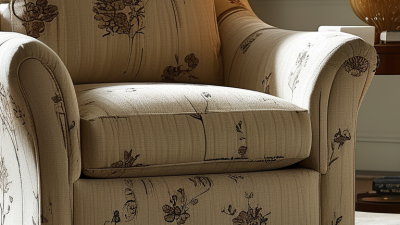
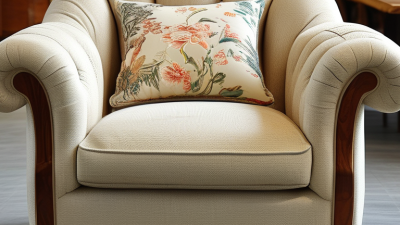
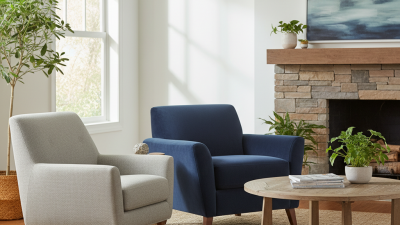
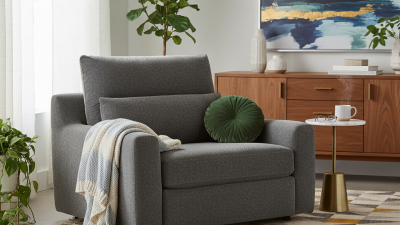
Upholstered chairs bring softness to rooms with hard floors, desks, and dining tables. An accent chair adds color beside a window, though a pale fabric may show marks quickly. An armchair offers broad support for reading, while a wingback chair’s higher sides can make a drafty corner feel sheltered. Club chairs have deep seats and rounded arms; check seat depth if guests are shorter. Barrel chairs curve around the sitter and suit conversation areas, but their shape can limit easy movement in tight spaces.
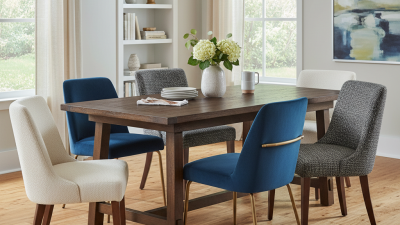
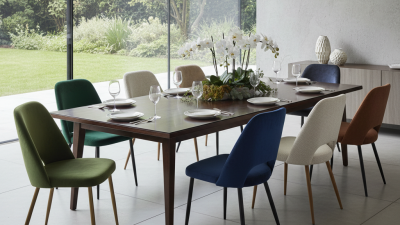
At a dining table, upholstered dining chairs soften long meals. Choose a wipeable, tightly woven fabric if spills are likely. A slipper chair has no arms and a low profile, so it can tuck neatly near a bedroom vanity or office wall. Measure twice. A recliner adds lounging comfort, but its extended footrest needs clear floor space behind and in front. That requirement is easy to forget when arranging a room.
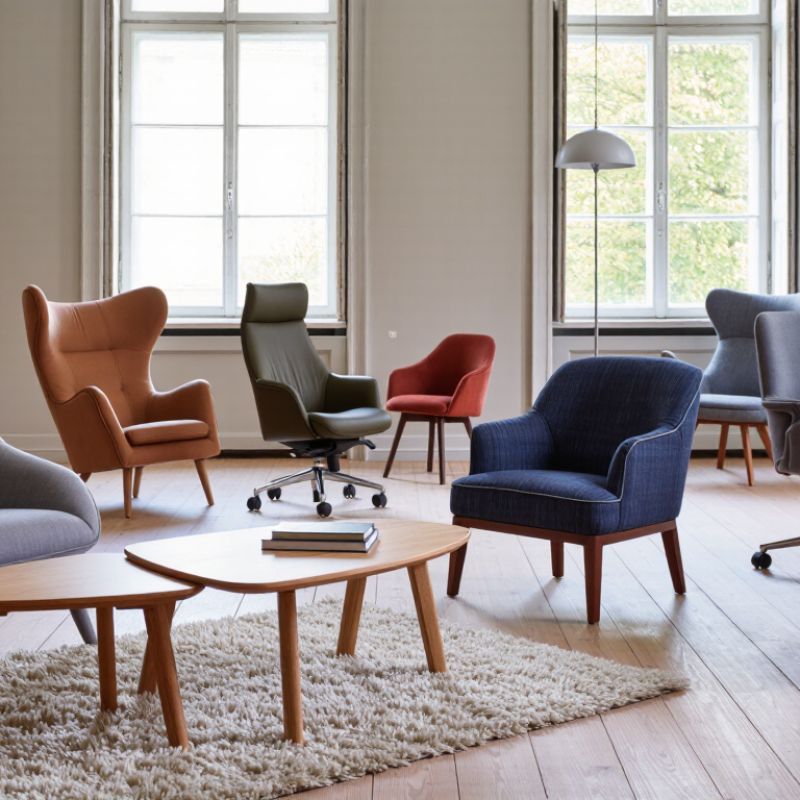
For work, an upholstered task chair should support an upright posture and allow seat-height adjustment; softness alone is not ergonomic support. An executive chair often has a taller back and padded arms, which may feel substantial during long meetings. Yet bulky arms can prevent it from sliding beneath some desks. Check the chair’s dimensions, fabric-care instructions, and intended use before choosing. A beautiful chair that blocks a walkway is still a poor fit.
How to Match Chair Styles to Different Spaces and Uses
An upholstered chair should suit its task before it matches the room’s color palette. In a living room, a deep seat and cushioned arms encourage conversation, but may crowd a narrow walkway. Measure the route. A compact slipper chair or armless accent chair can add a seat without blocking access. For a home office, look for a supportive back, a stable base, and fabric that feels comfortable through longer work sessions. Softness alone isn’t comfort.
Dining chairs need a different balance. Choose upholstery that is easy to clean and seats that slide beneath the table without catching. A curved-back chair can soften a formal dining area, while a slimmer, firmer style often works better around a small breakfast table. In a bedroom, a low accent chair beside a window creates a place to read or set down a sweater. It may look inviting, yet become a laundry perch if it sits too close to the wardrobe. Small rooms need restraint.
Think about texture and light, too. A pale woven fabric can make a dim corner feel less heavy, but may show marks sooner in a busy household. Velvet adds richness to a quiet study or guest room; in a sunlit space, check whether the fabric’s color may fade over time. Before choosing a style, consider who will use the chair, how often, and what must fit around it. Measurements help, though they cannot predict every awkward doorway or daily habit.
Top 10 Upholstered Chairs for Homes and Offices
Compare how well popular upholstered chair styles suit home and office settings.
Ratings are illustrative editorial assessments on a 1–5 scale, based on typical comfort, support, and space needs. Actual suitability depends on the chair’s dimensions and features.
Materials, Maintenance, and Buying Considerations
Upholstered chairs can make a room feel warmer, but the right material depends on how the chair will be used.
Tightly woven polyester or similar synthetic fabrics are often practical for busy offices because they resist everyday wear and are relatively easy to clean. Wool blends feel inviting and can hide minor marks, though they may need more careful care. Leather and coated upholstery wipe clean, but scratches and surface changes may become more visible over time.
Touch the fabric if possible. Photos rarely show texture well.
Check the frame, cushion, and seat height before buying.
A sturdy frame should feel stable when you sit down, and the cushion should support you without quickly bottoming out. For desk use, compare the seat height with the desk and consider whether armrests will slide underneath.
Measure doorways, too. An overlooked detail. Maintenance matters: vacuum fabric regularly with a suitable attachment, and blot spills rather than rubbing them. Always follow the care label; harsh cleaners can discolor upholstery.
Tips:
Ask for a fabric sample and test it in your room’s lighting. Notice crumbs, pet hair, and sunlight near the intended spot. If several people will use the chair, choose a surface you can maintain consistently—not merely one that looks durable in a showroom.