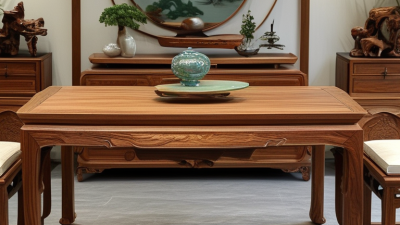
Choosing fabric dining chairs is not simply a matter of matching colors. The right chair must support daily meals, weekend guests, and occasional spills without losing its character.
Upholstery consultant Marianne Haug observes, “A dining chair must welcome the body before it impresses the eye.” That principle helps explain why popular designs vary so widely. Linen dining chairs offer a relaxed, breathable appearance. Velvet brings softness, depth, and a more dramatic dining room presence. Chenille feels warm and tactile, while performance polyester often handles family traffic more confidently. Cotton blends can look inviting, but their cleaning needs deserve careful attention.
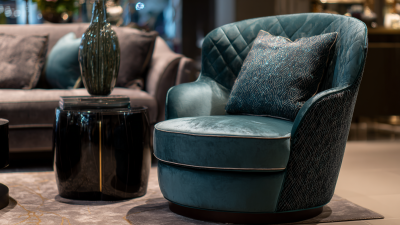
The chair’s shape matters as much as its fabric. Parsons chairs create a clean, upholstered outline. Wingback styles add height and visual shelter. Curved barrel chairs encourage longer conversations, although they may occupy more table space. Slipcovered options provide a practical, changeable finish, but loose fabric can shift during use.
There is no perfect material.
A pale linen chair may photograph beautifully. In real life, it can reveal fingerprints quickly. Dark velvet hides some marks, yet attracts lint under bright lighting. Even manufacturer claims require thoughtful checking. Martindale ratings, stain treatments, cushion density, and removable covers tell a more useful story than appearance alone.
This guide examines the top types of fabric dining chairs through comfort, durability, maintenance, and design value. Some choices will seem obvious. Others may challenge familiar assumptions. The best decision still depends on how your household actually eats, sits, cleans, and lives.
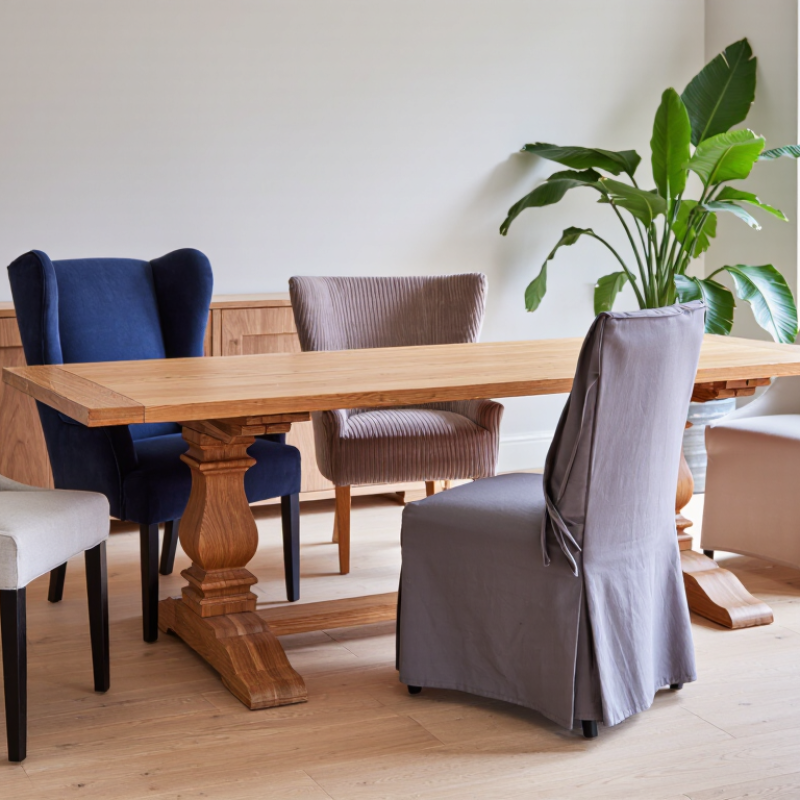
Fabric dining chairs are commonly classified by frame, upholstery, and intended use. Solid wood frames offer warmth and visible grain, while engineered wood can reduce cost and improve dimensional stability. Metal frames create a lighter, more contemporary profile. Look closely at the joints. Loose corners often become noticeable after repeated family meals.
Upholstery changes comfort, maintenance, and visual character. Cotton and linen feel breathable, but they may show spills quickly. Polyester blends usually resist everyday staining and wrinkling better. Velvet adds softness, although its pile can reveal pressure marks. According to Grand View Research, the global furniture market was valued at about USD 516.66 billion in 2022, with continued growth projected through 2030. That expansion reflects wider demand for practical, upholstered furniture, not just decorative pieces.
Use also shapes the best choice. Residential dining rooms can prioritize softness and appearance. Busy kitchens need removable covers or tightly woven performance fabric. Restaurants and hospitality spaces require stronger frames, easy cleaning, and consistent replacement parts. The ACT Performance Guidelines recommend testing fabric properties such as abrasion, seam slippage, and colorfastness. Still, a high abrasion result is not a complete quality guarantee. I would inspect stitching, cushion recovery, and fabric cleaning instructions before ordering. Small details matter. A chair may look perfect online, yet feel too firm after a long dinner.
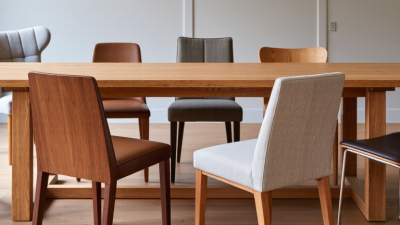
Fabric dining chairs can be classified by frame, upholstery, and intended use. This chart compares common upholstery options by typical care effort, rated from 1 (lower) to 5 (higher). Ratings are a qualitative guide, not market-share data; actual care depends on the fabric and its care instructions.
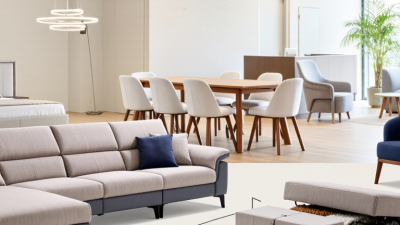
Upholstered side chairs are a practical default for many dining rooms: they tuck beneath the table and leave the room’s center clear. Their armless frames also make it easier to slide in from a narrow aisle. The U.S. Census Bureau reported a median floor area of 2,286 square feet for new single-family homes completed in 2023. That figure describes whole homes, not dining rooms, but it offers useful context: space still needs to work hard. A compact chair can help.
Look for a seat that fits under the table apron, with enough clearance for knees. A firm, supportive cushion is often more useful than a deep, plush one during a long meal. Upholstery softens the room and can reduce the hard, echoing feel of wood and tile. Still, fabric asks for care. Crumbs settle into seams, and pale cloth shows spills quickly. Performance-tested fabrics may resist stains, but no finish makes a chair maintenance-free. Check the cleaning instructions and rub-test results before buying; the Martindale abrasion test is one industry measure of fabric durability. It is not a guarantee of comfort. One small regret: chairs that look slim in a showroom may feel tight after dinner.
| Chair Type | Typical Footprint | Upholstery Options | Space-Saving Advantage | Best Suited To | Practical Consideration |
|---|---|---|---|---|---|
| Armless Upholstered Side Chair | About 18–20 in. wide | Woven polyester, cotton blends, linen-look fabrics, or performance fabric | No arms make it easier to position several chairs around a table and slide them underneath when not in use. | Compact dining rooms, apartments, and everyday family dining | Check seat width and cushioning, since a narrow profile may feel less spacious during long meals. |
| Low-Back Upholstered Chair | About 18–21 in. wide; typically lower in height than a full-back chair | Textured woven fabric, tightly woven polyester, or blended upholstery | A low back keeps the room’s sightlines open and can fit beneath some windows or wall features. | Small dining areas and open-plan rooms where a lighter visual profile is preferred | Measure the table apron and chair height to confirm the seat can slide underneath comfortably. |
| Parsons-Style Side Chair | About 18–22 in. wide | Commonly upholstered in woven fabric, linen-look fabric, or easy-care synthetic blends | A straight-sided silhouette usually takes up less visual space than a chair with projecting arms. | Dining rooms that need a simple, adaptable chair shape | Fully upholstered surfaces may need more frequent spot cleaning than exposed-frame designs. |
| Skirted Upholstered Side Chair | About 18–22 in. wide | Woven cotton blends, linen-look fabric, or other upholstery-weight textiles | Its armless form can fit neatly around a table, while the fabric skirt conceals the legs. | Traditional or relaxed dining rooms with limited floor space | The skirt can catch dust and may make the chair harder to move across thick rugs. |
| Upholstered Chair with Exposed Legs | About 18–21 in. wide | Durable woven fabric, polyester blends, or performance upholstery | Visible legs create an open look, helping a small room feel less crowded than a fully covered base. | Modern, transitional, or Scandinavian-inspired dining spaces | Leave enough clearance for chair legs to move freely around table legs and rugs. |
| Compact Upholstered Side Chair | Often about 16–19 in. wide | Durable woven polyester, tight-weave blends, or stain-resistant performance fabric | A narrower seat can allow an extra chair at a small table or improve circulation in a tight layout. | Breakfast nooks, small apartments, and narrow dining areas | Compare seat width and depth with the user’s comfort needs before choosing a particularly compact model. |
Note: Dimensions are general ranges for common chair styles, not specifications for a particular product. Actual measurements vary by design; measure the table, room, and available clearance before purchasing.
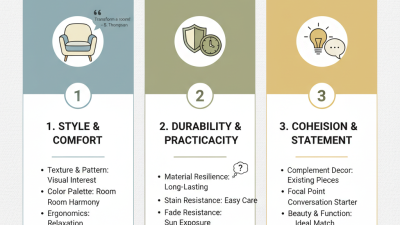
Fabric armchairs bring a softer, more supported feel to a dining table. Upholstered arms let you rest your elbows during a long meal, while a padded seat can ease pressure on the hips. The best comfort depends on fit, not just cushioning. Sit with your feet flat and shoulders relaxed. Check that the seat depth supports your thighs without pressing behind your knees. A firm, resilient cushion usually holds its shape better than one that feels plush in the showroom. Too soft, and it may sag sooner than expected.
Table clearance deserves equal attention. Measure from the floor to the underside of the table apron, then compare that space with the chair’s arm height. Leave room for the chair to slide in without catching. A difference of only an inch can matter. Also measure the chair’s full width, especially if the table legs angle outward. Fabric can feel warm and inviting, but it may need more care around spills than a hard surface. Tightly woven upholstery is often easier to brush clean than a loose, textured weave. I would still test a swatch at home; lighting and touch can make a fabric seem different in a showroom. A chair that looks generous may crowd a narrow dining area. That trade-off is easy to miss.
Parsons fabric dining chairs suit rooms that need a clean, steady outline. Their upholstered seats and backs usually form a simple rectangle, making them easy to pair with both rustic tables and smooth, modern surfaces. A tightly woven fabric can handle frequent use better than a delicate, loose weave, though no upholstery is truly spill-proof. Check the seat height against your table, too; even a small mismatch can make a long dinner uncomfortable. Details matter.
Tufted chairs add depth through stitched buttons or pulled fabric. The dimples catch soft shadows and give a dining space a more tailored feel, but they can collect crumbs. A quick brush helps. Slipcovered chairs offer a softer, relaxed look, and removable covers can be washed or replaced when everyday marks appear. Still, covers may shift after repeated sitting, and shrinkage is possible if care instructions are ignored. I’ve found that a slightly rumpled cover can look welcoming, though it may bother anyone who prefers crisp lines. Choose based on how the room is used, not just how the chair looks in a photograph.
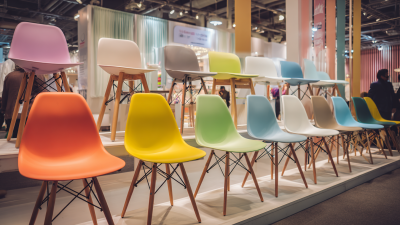
Fabric dining chairs range from crisp linen blends to tightly woven polyester and plush velvet. For busy kitchens, inspect the fabric’s construction, not just its appearance. A dense weave may handle daily friction better than a loose, snag-prone surface. Polyester blends are often practical, while velvet can show pressure marks where diners sit. Material names alone do not guarantee performance.
ACT’s Upholstery Fabric Performance Guidelines set 30,000 Wyzenbeek double rubs as the benchmark for high-traffic upholstery. The test method, ASTM D4157, measures abrasion resistance by rubbing fabric under controlled conditions. That figure is useful when comparing dining-chair fabrics, but it is not a lifespan promise. Seams, foam, cleaning habits, sunlight, and sharp clothing also affect wear. And a high rub count does not mean stain-proof. Real dining rooms are messier than test labs.
Tips: Ask for the abrasion result and cleaning instructions before ordering. Check a sample under your room’s lighting, then rub and sit on it. Small tests help. I would still treat any single number as only part of the decision.