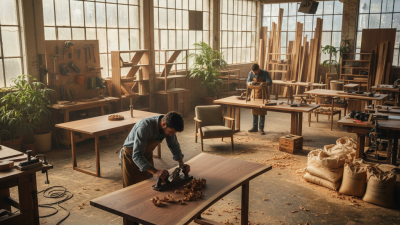
In the ever-evolving landscape of global furniture design, local furniture makers in China have gained significant attention. Their expertise lies in blending traditional craftsmanship with modern aesthetics. This combination creates unique pieces that resonate with both local and international buyers.
These makers often draw from centuries of rich heritage, ensuring authenticity in their designs. Many utilize sustainable materials, reflecting a growing awareness of environmental impact. However, challenges persist, including maintaining quality while scaling production and navigating intricate international trade regulations.
While some local furniture makers have gained recognition, not all stand out in quality and reliability. It's essential for global buyers to research and assess their options thoroughly. Engaging with local artisans can provide insights but may require extra effort. Ultimately, the journey to find the right local furniture maker in China can lead to remarkable discoveries and lasting partnerships.
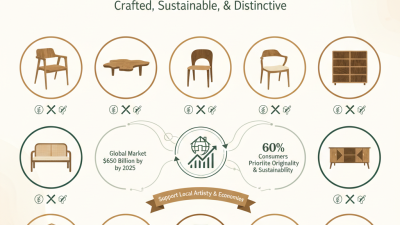
The furniture industry in China has become a significant player for global buyers. Reports indicate that China accounted for over 30% of the world's furniture exports in 2022. This growth is linked to a combination of craftsmanship and modern manufacturing techniques. Many local makers emphasize sustainability. They focus on eco-friendly materials and processes, appealing to an increasingly conscientious global market.
However, not all local manufacturers maintain consistent quality. Some companies face challenges in scaling production while preserving craftsmanship. There is a noticeable variation in standards, which can impact buyer trust. Reliable sourcing requires thorough verification of production capabilities. According to industry surveys, about 15% of foreign buyers express concerns over quality inconsistencies.
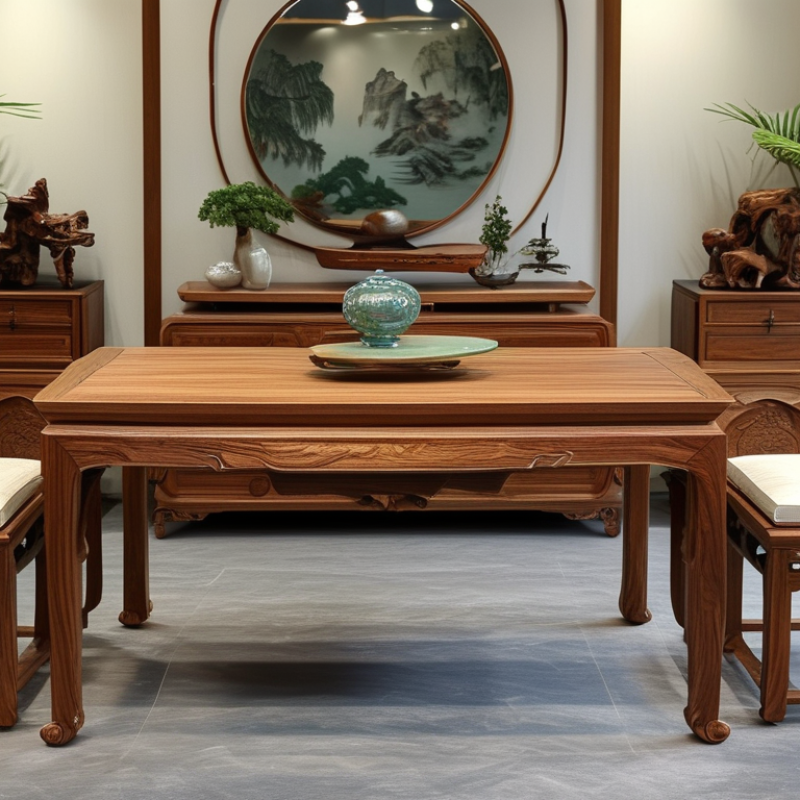
Despite these challenges, various regions in China have developed unique specialties. For instance, southern China is renowned for its wooden furniture, showcasing intricate designs and traditional methods. Meanwhile, northern regions often emphasize modern, minimalist designs. Understanding these regional nuances can aid global buyers in making informed decisions. Engaging directly with local makers may lead to better partnerships and more transparent communication.
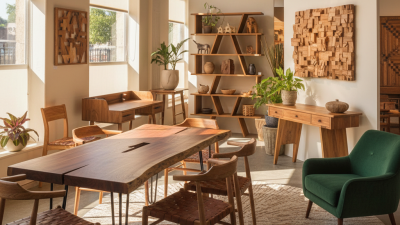
The historical evolution of furniture craftsmanship in China reveals a rich tapestry of cultural heritage. From the intricate designs of ancient dynasties to contemporary styles, Chinese furniture reflects both artistry and functionality. Traditional woodworking techniques developed over centuries are still influential today. Each era brought its own materials and styles, showcasing regional variations in craftsmanship.
The Ming Dynasty is particularly noteworthy. Its furniture emphasized simplicity and elegance. Craftsmen utilized joinery techniques that required no nails. This approach exemplified their precision and skill. In contrast, the Qing Dynasty introduced ornate decorations and luxurious materials. The use of red lacquer and gold leaf highlighted status and wealth. Yet, the reliance on embellishment sometimes overshadowed quality craftsmanship.
In modern times, the landscape has changed. Globalization has influenced local makers. While some maintain traditional methods, others blend styles to appeal to international markets. This adaptation raises questions about authenticity. Are modern pieces truly reflective of ancient techniques, or are they mere replicas? Balancing tradition and innovation remains a challenge for many artisans in China. The future of furniture craftsmanship hangs in this delicate balance, inviting continuous reflection on its past and future significance.
China is home to several key regions known for their furniture manufacturing. Each area showcases distinct craftsmanship and unique styles. Guangdong Province stands out with its vibrant furniture industry. Cities like Foshan are bustling with workshops and showrooms. They produce everything from classic wooden furniture to modern designs. This region attracts many global buyers seeking quality and variety.
Another significant area is Zhejiang Province, particularly in cities like Hangzhou and Ningbo. Here, manufacturers focus on efficient production and innovative designs. The combination of traditional techniques and modern technology creates furniture that appeals to a wide audience. Many artisans take pride in their craftsmanship, though some may struggle with scalability.
The northern region, particularly Hebei, also contributes significantly. Known for sturdy and functional pieces, Hebei’s craftsmen emphasize practicality. Yet, local brands often face criticism for lacking originality. Buyers are increasingly seeking uniqueness, prompting a need for creators to reflect and innovate. This dynamic landscape reflects the ongoing evolution within China's furniture industry.
China is home to a vibrant furniture-making industry, offering a variety of unique pieces. Many local brands are dedicated to blending traditional craftsmanship with modern designs. This fusion results in stunning furniture that appeals to both domestic and international buyers.
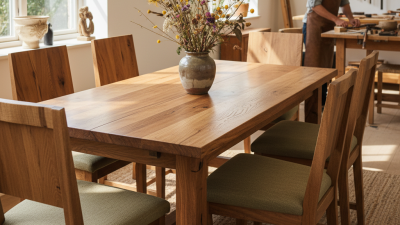
Notable local makers focus on sustainability and materials. They often use natural woods, eco-friendly finishes, and innovative designs. Many of these brands emphasize minimalism, making their pieces ideal for contemporary spaces. Their offerings can range from elegant wooden dining sets to intricately designed bedroom furniture.
When sourcing furniture, consider the story behind each piece. Look for brands that highlight their artisanal practices. Understanding the craftsmanship adds value to your purchase. Additionally, seek out local makers who prioritize ethical labor practices. This enhances the reliability of your choice.
While exploring options, pay attention to your personal style. Sometimes, local designs may not fit your aesthetic. However, this might lead to discovering unexpected styles that resonate. Keep an open mind, and don't hesitate to engage with local artisans. Their insights can greatly enhance your selection process.
Navigating the Chinese furniture market poses unique challenges and opportunities for global buyers. As per a recent report from the International Furniture Fair, over 60% of furniture imports come from China. This statistic highlights the nation’s dominance in production, yet it also presents hurdles for international clients. Understanding local customs, navigating language barriers, and ensuring quality control are critical steps that buyers must take.
Moreover, there are growing concerns about sustainability and ethical sourcing in the industry. According to the China Furniture Association, around 70% of manufacturers still rely on traditional materials and methods. While these practices may reduce costs, they do not align with the increasing demand for sustainable products. Global buyers risk reputational damage if they do not prioritize partnerships with responsible manufacturers.
On the flip side, opportunities abound. The Chinese market is evolving, with an increasing number of companies adopting modern technologies and eco-friendly materials. Data indicates that the market for sustainable furniture is projected to grow by 12% annually. Collaborating with local makers who embrace these changes can lead to innovative designs and products, aligning well with global trends.