2026 Best High End Furniture Trends for Global Buyers?

The high end furniture market is evolving rapidly as global buyers seek luxury and uniqueness in their home spaces. According to a recent report by Grand View Research, the industry is projected to reach a value of $50 billion by 2026. Consumers now prioritize quality materials and artisanal craftsmanship. This shift emphasizes the need for innovation in design and sustainability.

Industry expert, Johnathan Vance, a well-known designer in high end furniture, states, “Today's buyers want pieces that tell a story.” This reflects a trend towards personalized and bespoke items. As preferences lean towards comfort and aesthetics, trends such as sustainable sourcing and eco-friendly materials gain momentum. However, not all brands adapt swiftly to these changes, leading to missed opportunities.

Moreover, the rise of e-commerce has reshaped the buying experience. High end furniture brands now face pressure to combine luxury with accessibility. Navigating this complex landscape requires a balance between traditional craftsmanship and modern consumer demands. It's an ongoing challenge that urges constant reevaluation of strategies, designs, and customer engagement.
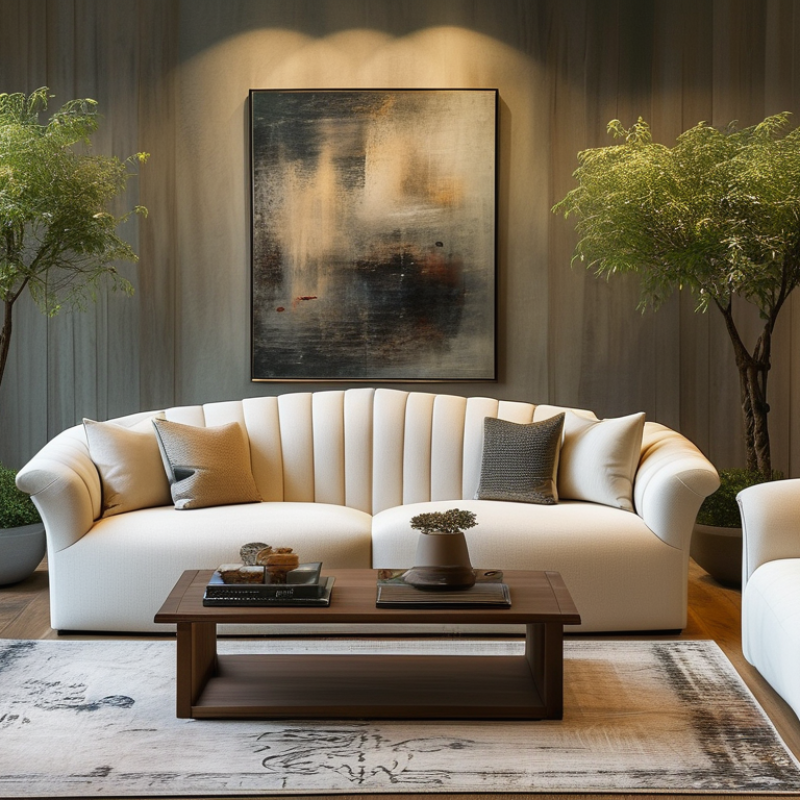
2026 Best High End Furniture Trends for Global Buyers?

Emerging Color Palettes Influencing Luxury Furniture Designs in 2026

In 2026, luxury furniture design is being heavily influenced by emerging color palettes. Soft, muted tones are gaining traction. Earthy pigments, like sandy beiges and mossy greens, create a calming effect. These colors evoke a connection to nature, making spaces feel more grounded.

Shimmering metallics, particularly gold and silver accents, are also trending. They add a touch of elegance and sophistication. However, excessive use can overwhelm a space, so careful balance is key. The interplay of colors encourages innovative designs that inspire creativity and self-expression in home decor.

It's interesting to note that while these palettes are popular, personal taste remains subjective. Some may prefer bold colors, while others lean towards subtler tones. This diversity reflects the evolving nature of design preferences, challenging designers to cater to various aesthetics. Each color choice represents one's personality and experiences.
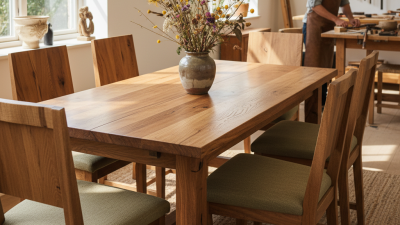
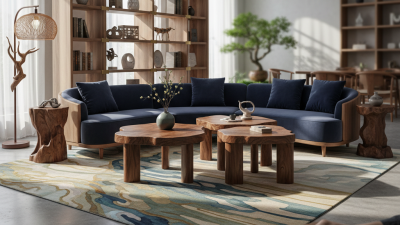
2026 Best High End Furniture Trends: Emerging Color Palettes

Innovative Materials Shaping High-End Furniture Trends for Global Markets

The luxury furniture market is undergoing a transformation with innovative materials leading the way. Designers are now integrating biomaterials, recycled elements, and high-tech fabrics into their creations. This shift not only offers aesthetic appeal but also encourages sustainability. For global buyers, understanding these trends is crucial when selecting high-end furniture.

Consider the impact of natural materials like cork and bamboo. These choices are not only environmentally friendly but also bring warmth to interiors. High-tech fabrics are also emerging as a practical solution. They are durable, stain-resistant, and available in various colors. Investing in such materials can enhance both the functionality and longevity of furniture pieces.

Tips for buyers: Pay attention to material sources. Look for transparent supply chains. When choosing high-end furniture, seek out those designs that blend style with eco-consciousness. Additionally, keep an eye on trends that prioritize comfort without sacrificing elegance. Updated materials can change a space entirely, but remember, practicality and sustainability should guide your decisions.

Sustainable Practices Revolutionizing the Luxury Furniture Industry

Sustainability is reshaping the luxury furniture landscape. With growing consumer awareness, eco-friendly materials are now essential. Designers are focusing on reclaimed wood, organic fabrics, and low-VOC finishes. These materials reduce environmental impact while enhancing aesthetic appeal.

However, challenges remain. Sourcing sustainable materials can be costly and time-consuming. Some artisans struggle to find affordable, eco-friendly options. Additionally, the push for sustainability often leads to higher prices, which may alienate some buyers. Luxury doesn’t always equate to sustainability, and this gap needs addressing.

Moreover, the industry's commitment to sustainability isn’t uniform. Some brands genuinely prioritize eco-friendly practices. Others may just follow trends to appeal to consumers. This inconsistency can create skepticism among buyers. Transparency is crucial in this evolving market. Shoppers deserve clarity about the origins of their furniture. As the luxury furniture industry adapts, the focus on sustainable practices is undeniably important but not without its challenges.

Key Styles and Aesthetic Influences in High-End Furniture for 2026

As we approach 2026, the high-end furniture market is poised to reflect evolving tastes and lifestyle needs. Buyers are seeking pieces that combine functionality with artistry. Curved forms and organic shapes will likely dominate, moving away from rigid lines. These soft styles create inviting spaces, promoting comfort and connection.

Sustainable materials are becoming crucial in high-end design. Expect to see furniture crafted from reclaimed wood or eco-friendly composites. The use of natural textures adds depth to designs, while subtly addressing environmental concerns. Darker, richer finishes alongside light, airy pallets can evoke a sense of balance.

Color trends will lean towards earthy tones, with accents of deep jewel shades for drama. Pieces that reflect a personal story or cultural influence are gaining traction. Some may find this shift toward individuality challenging. However, embracing unique designs fosters creativity and conversation in interior spaces, enriching our living environments.

Tech Integration in Luxury Furniture: Smart Solutions for Modern Living

The integration of technology in luxury furniture is transforming modern living. Smart furniture solutions enhance convenience and elevate design. Imagine a coffee table that can charge your devices or a sofa that adjusts its firmness through an app. These innovations create seamless experiences in our daily lives.

However, the rapid pace of tech integration raises questions. Are we sacrificing aesthetics for functionality? Many consumers fear that smart features could compromise the timeless quality of high-end furniture. Moreover, as technology evolves, older models may become obsolete.

Yet, the potential for personalization is immense. Homeowners can now tailor their environments to suit their lifestyles. Automated lighting, sound systems, and climate control can all be integrated into the furniture design. Balancing style and smart solutions is the challenge ahead, one that invites ongoing reflection and innovation in the luxury market.

2026 Best High End Furniture Trends for Global Buyers
Trend Description Technology Integration Sustainability
Modular Designs Flexible furniture that adapts to various spaces. Incorporates smart controls for configuration settings. Uses recycled materials for production.
Biophilic Design Brings nature indoors through natural materials and shapes. Includes air quality monitoring systems. Emphasizes sustainable sourcing of materials.
Smart Furniture Furniture with built-in technology for convenience. Integrates wireless charging and Bluetooth speakers. Made from eco-friendly and renewable resources.
Luxury Minimalism Focus on simplicity and elegance with high-quality materials. Utilizes smart home integration with minimal visual clutter. Crafted with responsible manufacturing processes.
Vintage Futurism A blend of retro styles with modern technology. Incorporates modern tech functionalities in vintage designs. Repurposed vintage materials are commonly used.