What is Handmade Furniture and Why is it in Demand?

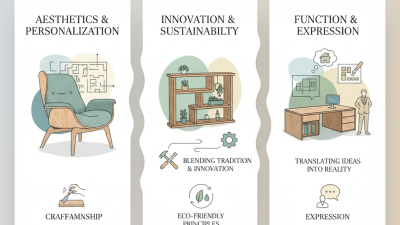
Handmade furniture has become a significant trend in contemporary design. As consumers seek unique and personalized pieces, the demand for handmade furniture continues to rise. Each item tells a story, reflecting the artisan's skill and passion. This pursuit of individuality attracts buyers looking for more than just functionality.

The charm of handmade furniture lies in its imperfections. Every flaw can add character, making a piece truly one-of-a-kind. Unlike mass-produced alternatives, handmade items carry a sense of authenticity. They often involve sustainable materials, appealing to eco-conscious consumers. This craftsmanship represents a return to traditional skills, which many find comforting.

Experts note that handmade furniture meets the growing desire for meaningful connections in our homes. In an era dominated by uniformity, these bespoke creations offer a personal touch. As the appreciation for craftsmanship strengthens, we recognize handmade furniture as more than just decor—it’s an expression of identity.

What is Handmade Furniture and Why is it in Demand?

Definition and Characteristics of Handmade Furniture

What is Handmade Furniture and Why is it in Demand?

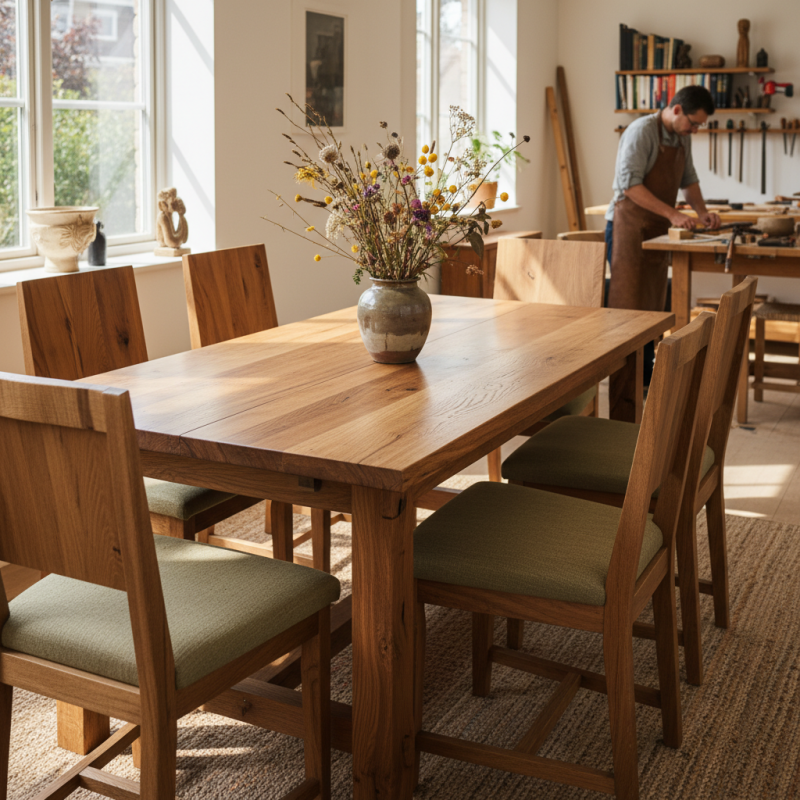
Handmade furniture is a distinct category that emphasizes craftsmanship and uniqueness. Unlike mass-produced items, each piece tells a story. The materials used are often natural, like solid wood or metal. Artisans carefully select each element, ensuring quality and durability. This attention to detail creates furniture that is not only functional but also aesthetically pleasing.

The characteristics of handmade furniture are noteworthy. Each piece exhibits unique patterns and textures. Imperfections can add charm, making it hard to replicate. These variations reflect the hand of the maker and embody authenticity. Many appreciate that handmade items are usually made with sustainable practices.

**Tip**: When choosing handmade furniture, consider the materials it’s made from. High-quality wood or sustainable materials can enhance the longevity of the item.

Another characteristic is its customization potential. Artisans often offer bespoke services tailored to individual preferences. This encourages personal connection between the buyer and the creator.

**Tip**: To ensure the best experience, research the artisan’s background and style. A craftsman with extensive experience will likely produce superior work.

Historical Context and Evolution of Handmade Furniture

Handmade furniture has a rich historical context that traces back to ancient civilizations. Artisans crafted unique pieces using local materials. This practice emphasized craftsmanship over mass production. Each piece reflected the culture and identity of its maker. These handcrafted items were often passed down through generations, holding sentimental value.


In the 20th century, industrialization changed the landscape of furniture production. Mass production became the norm, prioritizing speed and cost over individuality. However, this evolution created a longing for authenticity. Today, handmade furniture is experiencing a revival. Consumers seek unique designs that tell a story. The demand for sustainable and responsibly made products further fuels this trend.


Tips: When choosing handmade furniture, consider the craftsmanship involved. Look for details that enhance uniqueness. Understand the materials used and their sourcing. This reflective approach ensures that your choices align with your values. Remember, it’s about more than just aesthetics. It's a connection to history and culture. Embrace the imperfections; they make each piece special.

Factors Contributing to the Rising Demand for Handmade Furniture

The rising demand for handmade furniture can be attributed to several key factors. One significant aspect is the growing consumer appreciation for craftsmanship. People are increasingly valuing unique, artisanal pieces over mass-produced items. Each handmade piece tells a story and reflects the maker's skill. This connection enhances the emotional value of furniture.

Sustainability is another crucial factor. Many buyers prefer ecological materials and ethical production methods. Handmade furniture often uses locally sourced wood, reducing the carbon footprint of transport. Additionally, artisans typically adopt sustainable practices, appealing to environmentally conscious consumers. This trend highlights a shift towards responsible consumption in today's marketplace.

As designs become mainstream, the search for individuality has increased. Handmade furniture offers customization options that mass-produced furniture cannot provide. However, the availability of skilled artisans can be limited. Some consumers may find it challenging to locate quality handmade pieces. This gap can lead to frustration and a slower acceptance of handmade furniture in some markets. Balancing accessibility and uniqueness presents an ongoing challenge.

Benefits of Choosing Handmade Furniture Over Mass-Produced Alternatives

Handmade furniture stands out in a world of mass production. Each piece carries unique craftsmanship. This attention to detail often results in higher quality. Handmade furniture uses durable materials, offering longevity not found in many factory-made items. Buyers value quality over convenience.

Choosing handmade pieces supports artisans and their skills. These craftsmen often pour their hearts into their work. Unlike mass-produced options, each item has a story. This uniqueness adds charm to any space. However, not all handmade furniture meets high standards. It's important to research and choose wisely. Some pieces may have flaws or inconsistencies.

The environmental impact also plays a role. Many handmade furniture makers prioritize sustainable practices. This reduces waste and carbon footprint compared to large-scale manufacturing. However, finding reliable artisans requires effort and time. The investment is worth it for those who appreciate the artistry in their homes.

What is Handmade Furniture and Why is it in Demand? - Benefits of Choosing Handmade Furniture Over Mass-Produced Alternatives

Feature Handmade Furniture Mass-Produced Furniture
Craftsmanship High-quality, unique craftsmanship with attention to detail Standardized production, often with less attention to detail
Materials Natural, sustainable materials used Often made with cheaper, synthetic materials
Customization Highly customizable to fit personal tastes Limited customization options available
Price Typically higher due to craftsmanship and materials Generally lower, making it more accessible
Longevity Built to last for generations May not last as long due to lower quality
Environmental Impact Generally more eco-friendly practices Mass production often leads to higher waste
Aesthetic Appeal Unique, artistic designs Often lacks unique character

The Role of Sustainability and Artisanship in Handmade Furniture Trends

Sustainability has become a cornerstone of contemporary handmade furniture. This movement emphasizes the use of eco-friendly materials, reducing waste during production. Many artisans source locally available wood, opting for reclaimed materials. This choice not only lessens environmental impact but also supports local economies.

Artisanship is another critical aspect of this trend. Each piece carries the unique touch of its maker. Handcrafted furniture often showcases intricate details, like custom joinery or hand-carved elements. The uniqueness of each item brings a sense of authenticity to interiors. However, the path to artisanal quality is not without challenges. Finding skilled artisans can be difficult, and their craft often lacks the rapid scalability of mass production.

Buyers are increasingly aware of these elements. They value the stories behind each piece. Yet, the price can be a hurdle for many. Understanding the investment in both craftsmanship and sustainability is essential. While handmade furniture may not suit all budgets, its enduring appeal lies in the blend of artistry and responsibility in furniture design.