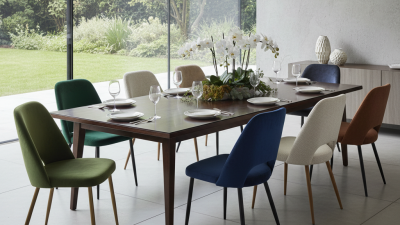
China remains a major sourcing hub for upholstered furniture, supported by deep manufacturing capacity, established ports, and broad material networks. Trade data from UN Comtrade and ITC Trade Map consistently place China among the world’s leading furniture exporters. This position gives global buyers access to competitive pricing and flexible production. It does not guarantee dependable quality.
The global furniture industry is also changing. CSIL’s World Furniture Outlook reports continued growth in international furniture trade, while Grand View Research highlights rising demand for customized, durable, and design-led products. These trends are especially relevant to arm chairs used in hotels, restaurants, offices, and residential projects. Buyers now examine more than appearance. They check foam density, frame construction, fabric abrasion ratings, carton protection, and replacement-part support.
This guide introduces ten China-based arm chairs suppliers for international buyers. The selection considers manufacturing experience, export capability, product range, customization services, certifications, and communication standards. Factory audits, sample approval, and pre-shipment inspections remain practical safeguards. Ask for measurable details. A polished showroom photograph can hide weak stitching or unstable legs.
No ranking is perfect. Supplier strengths can change with materials, order size, and production season. Buyers should verify current certificates, lead times, payment terms, and compliance requirements independently. Small details matter. A reliable supplier should explain whether its frames use solid wood, plywood, or engineered board. It should also provide clear packaging dimensions and loading quantities. These checks help turn attractive catalogues into safer, more predictable procurement decisions.
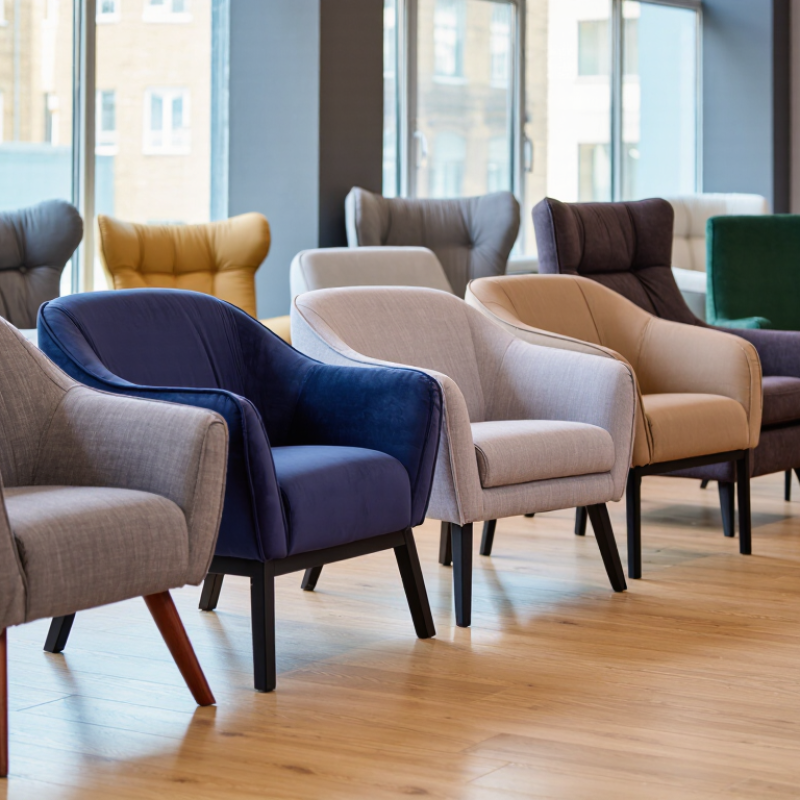
China’s armchair manufacturing landscape is broad, layered, and highly export-oriented.
CSIL’s World Furniture Outlook 2024 estimates that China produces roughly 37% of global furniture output. This scale supports flexible sourcing, from compact lounge chairs to contract-grade seating. Manufacturing clusters in Guangdong, Zhejiang, Jiangsu, and Shandong often specialize in different materials and finishing methods. Wood frames, steel structures, leather, fabric, and molded foam are widely available.
Global buyers should evaluate more than catalog variety. Check frame moisture levels, foam density, stitching strength, fabric abrasion results, and carton protection.
Relevant testing should match the destination market and product category. ISO 7173 and ISO 7174 are commonly referenced for seating strength and stability.
The European Commission’s Safety Gate reports also show why traceability and material documentation matter. A supplier with clear batch records is easier to manage when problems appear.
Tips:
Request a pre-production sample, not only product photos. Ask for test reports linked to the exact model. Confirm packaging dimensions before calculating freight. A low factory quote can become expensive after defects, rework, and storage. China Customs data shows furniture exports remain a major trade category, but export scale does not guarantee equal factory quality. The picture is not perfectly uniform. Buyers should compare at least three factories, review production evidence, and keep written approval records. Even experienced sourcing teams sometimes overlook color variation between samples and mass production. That detail deserves attention.
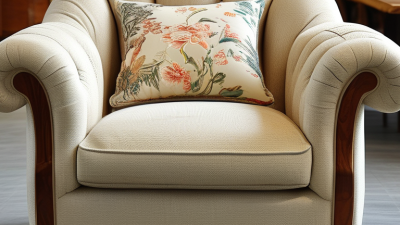
China Top 10 Arm Chairs Suppliers for Global Buyers
China’s scale makes supplier selection demanding. CSIL’s World Furniture Outlook 2024 places China’s share of global furniture production at approximately 40%. UN Comtrade trade data also ranks China as a leading exporter of seats under HS 9401. However, production volume cannot prove reliability. Our selection checks factory experience, material traceability, monthly capacity, export records, and quality procedures. We review kiln-dried wood certificates, foam density, fabric abrasion results, and carton protection. We also compare sample consistency against approved specifications. A low price is not evidence.
Tips: Request a physical sample first. Measure every visible gap. Check frame joints, stitching, recline movement, and odor. Ask for recent test reports, not screenshots. Confirm whether production is factory-based or outsourced. Payment terms matter, too.
A practical scorecard can follow ISO 9001 principles, even when certification is unavailable. We assign separate scores for quality, communication, lead time, customization, and after-sales response. Suppliers with transparent corrective-action records receive stronger consideration. Sedex-style social compliance assessments may support due diligence, but they should not replace an independent factory audit. No scorecard is perfect. A supplier may perform well during sampling and struggle during peak season. We therefore examine production photos, loading records, and random inspection results. One overlooked detail remains carton compression. A beautiful armchair can arrive with a damaged corner. That risk deserves a measurable score.
China’s top ten armchair suppliers serve different buying needs, from compact apartments to hospitality projects. Their profiles usually reveal three strengths: product range, factory control, and export experience. Some focus on upholstered lounge chairs, while others produce wood-framed, metal-base, or reclining models. A reliable supplier shares material specifications, carton dimensions, load testing, and production photos. Details matter.
Product ranges may include boucle, linen-look, leather-like, and stain-resistant polyester covers. Buyers can request seat heights, foam densities, leg finishes, stitching patterns, and color cards. Manufacturing capability is easier to judge through samples and a documented quality process. Look for cutting, sewing, frame assembly, polishing, upholstery, and final inspection under one managed system. Not every supplier owns every process. That gap deserves questions.
Experienced suppliers support private-label packaging, mixed-container orders, and repeat production with controlled specifications. Their teams should explain minimum order quantities, lead times, spare parts, and replacement procedures. For global buyers, compliance files, secure packaging, and clear communication reduce avoidable delays. Factory audits can check warehouse labeling, moisture control, equipment maintenance, and worker safety practices. I would not rely on polished showroom images alone. A small pilot order often exposes weaknesses before a larger commitment.
| No. | Supplier Profile | Manufacturing Hub | Main Armchair Product Range | Common Materials | Manufacturing Capabilities | Customization | Typical MOQ | Typical Lead Time |
|---|---|---|---|---|---|---|---|---|
| 01 | Upholstered Seating Specialist | Foshan, Guangdong | Living-room armchairs Lounge chairs Accent chairs | Solid wood frames, plywood, high-resilience foam, fabric, leather and synthetic leather | Frame assembly, foam cutting, upholstery, stitching, manual finishing and carton packing | Fabric, color, dimensions, foam firmness, leg finish and packaging | 20–50 units per style | 30–45 days after approval |
| 02 | Contemporary Metal-and-Fabric Seating Manufacturer | Dongguan, Guangdong | Modern armchairs Tub chairs Waiting-room seating | Steel tubing, molded foam, polyester fabric, PU leather and powder coating | Tube bending, metal welding, powder coating, foam molding, sewing and final assembly | Frame color, upholstery, seat height, logo-free packaging and carton dimensions | 30–100 units per style | 35–50 days after approval |
| 03 | Solid-Wood Occasional Chair Supplier | Anji, Zhejiang | Wooden armchairs Dining armchairs Reading chairs | Rubberwood, ash, beech, plywood, woven fabric and water-based finishes | Wood drying, CNC cutting, mortise-and-tenon assembly, sanding, spraying and upholstery | Wood species, stain, seat fabric, dimensions and protective packaging | 50–100 units per style | 40–60 days after approval |
| 04 | Rattan and Outdoor Seating Producer | Foshan, Guangdong | Rattan armchairs Bistro chairs Outdoor lounge chairs | Aluminum, steel, PE rattan, natural rattan, outdoor fabric and quick-dry foam | Metal forming, welding, corrosion-resistant coating, hand weaving, cushion sewing and testing | Weave pattern, frame color, cushion fabric, cushion thickness and weather-resistant treatment | 50–200 units per style | 35–55 days after approval |
| 05 | Hospitality and Contract Seating Manufacturer | Jiaxing, Zhejiang | Hotel armchairs Restaurant seating Lobby lounge chairs | Hardwood, plywood, molded foam, commercial-grade fabric, leather and metal hardware | Commercial frame construction, repeat-production control, upholstery, inspection and export packing | Contract dimensions, upholstery specification, fire-performance fabric options and packing format | 30–100 units per style | 45–70 days after approval |
| 06 | Reclining and Motion Armchair Specialist | Ningbo, Zhejiang | Manual recliners Electric recliners Lift-style chairs | Steel mechanisms, hardwood, plywood, foam, fabric, synthetic leather and electrical components | Mechanism installation, motor assembly, upholstery, electrical safety checks and functional testing | Recline angle, motor configuration, upholstery, control position, plug specification and packaging | 50–200 units per model | 45–75 days after approval |
| 07 | Minimalist Scandinavian-Style Seating Supplier | Haining, Zhejiang | Occasional armchairs Barrel chairs Compact apartment chairs | Engineered wood, solid wood legs, molded foam, boucle, linen-look fabric and PU leather | CNC panel cutting, frame assembly, foam shaping, upholstery, leg finishing and flat-pack packing | Leg profile, fabric, piping, seat density, overall size and assembly instructions | 50–150 units per style | 35–55 days after approval |
| 08 | Office and Executive Armchair Manufacturer | Foshan, Guangdong | Guest chairs Conference armchairs Executive lounge chairs | Steel, aluminum, molded foam, mesh, polyester fabric, PU leather and genuine leather | Metal fabrication, foam molding, upholstery, caster or base assembly and load testing | Base design, armrest style, upholstery, dimensions, foam firmness and carton labeling | 50–200 units per model | 40–60 days after approval |
| 09 | Mid-to-High-End Leather Seating Producer | Pingyang, Zhejiang | Leather armchairs Club chairs Classic lounge chairs | Hardwood, plywood, high-density foam, top-grain leather, split leather and metal or wood legs | Leather cutting, precision stitching, deep-button or plain upholstery, frame assembly and surface finishing | Leather grade, color, stitching, button details, dimensions, leg finish and protective packaging | 20–80 units per style | 45–70 days after approval |
| 10 | Flat-Pack and E-Commerce Seating Supplier | Hangzhou, Zhejiang | Compact armchairs Storage armchairs Ready-to-assemble chairs | Engineered wood, steel, molded foam, polyester fabric, synthetic leather and plastic fittings | Knock-down frame production, automated cutting, upholstery, assembly verification and drop-test packing | Knock-down structure, fabric, dimensions, assembly hardware, instruction manuals and retail packaging | 100–300 units per style | 30–50 days after approval |
Quality begins with more than a showroom photograph. In supplier audits, buyers should request ISO 9001 records, material test reports, and load-testing evidence. The ISO Survey 2023 recorded 1,265,216 ISO 9001 certificates worldwide, showing certification remains a useful, though incomplete, screening tool. For upholstered armchairs, verify frame moisture, foam density, fabric abrasion, stitching, and carton drop performance. BIFMA durability methods can support commercial furniture evaluation, even when the chair is designed for homes.
Customization affects both price and minimum order quantity. Standard dimensions and existing fabrics usually reduce tooling costs. New molds, fire-retardant fabrics, or special colors can increase development charges and extend lead times. CSIL’s World Furniture Outlook indicates continued international furniture trade, but freight, labor, and raw-material prices still vary by region. Ask for a landed-cost quotation, not only a factory price. A practical target is to compare three quotes with identical specifications. Otherwise, the cheapest offer may hide thinner foam or weaker hardware.
Tips: Request one pre-production sample and one packed sample. Measure seat height, arm width, carton volume, and actual weight. Confirm whether the MOQ applies per color, fabric, or total order. Negotiate a smaller trial quantity when possible. A perfect specification rarely exists; real testing may expose uncomfortable seats or unstable legs. Recheck every revision in writing.
When global buyers compare China’s top ten arm chair suppliers, a polished catalog is only a starting point. Request a factory video, production address, and recent workshop photos. Check whether the supplier controls cutting, sewing, upholstery, and final inspection. Ask for material samples before discussing large volumes. Leather grain, foam density, frame joints, and stitching reveal more than showroom images.
Small details matter.
Create one comparison sheet for every supplier. Record frame materials, foam density, dimensions, carton protection, minimum order quantity, and lead time. Request test reports for strength, stability, and fire performance when required by your market. Verify that documents match the exact chair model. Do not accept vague claims. A reliable supplier explains production limits, replacement procedures, and warranty coverage clearly. Communication speed also matters, especially when drawings change.
Price alone can mislead. A cheaper quote may exclude packaging, inspection, or port charges. Ask for a complete landed-cost estimate and confirm the trade terms in writing. Order a sample, then inspect it under normal use: sit, lean, move, and check for noise. The sample may look perfect. It may not represent mass production. Add an independent pre-shipment inspection for larger orders. Buyers should also question their own assumptions, because a beautiful chair is not always comfortable, durable, or profitable.