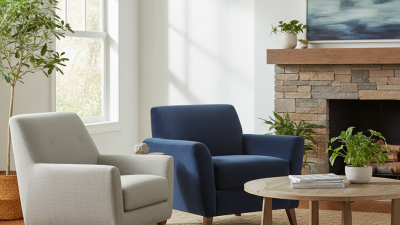
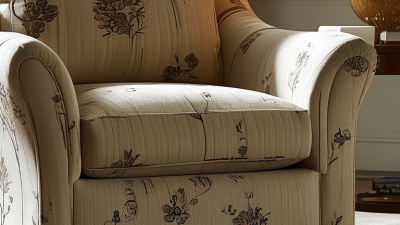
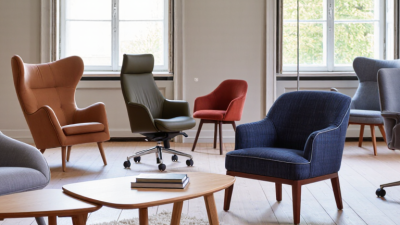
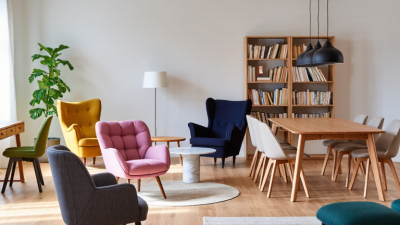
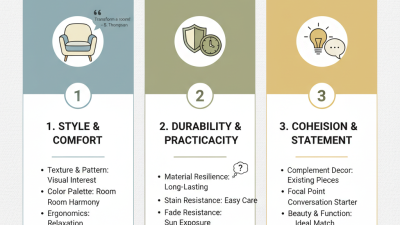
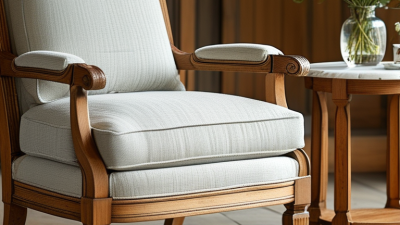
Choosing an upholstered arm chair in 2026 requires more than matching fabric to a living room palette. Comfort, structure, maintenance, and responsible materials all deserve attention. A beautiful chair can still feel stiff, unstable, or oversized after ten minutes.
Furniture designer Charles Eames once said, “The details are not the details. They make the design.” His observation remains practical. Examine the arm height, seat depth, cushion recovery, stitching, and frame movement. Sit fully back. Rest your elbows naturally. Notice whether the chair supports conversation, reading, or quiet evening use. Small details matter.
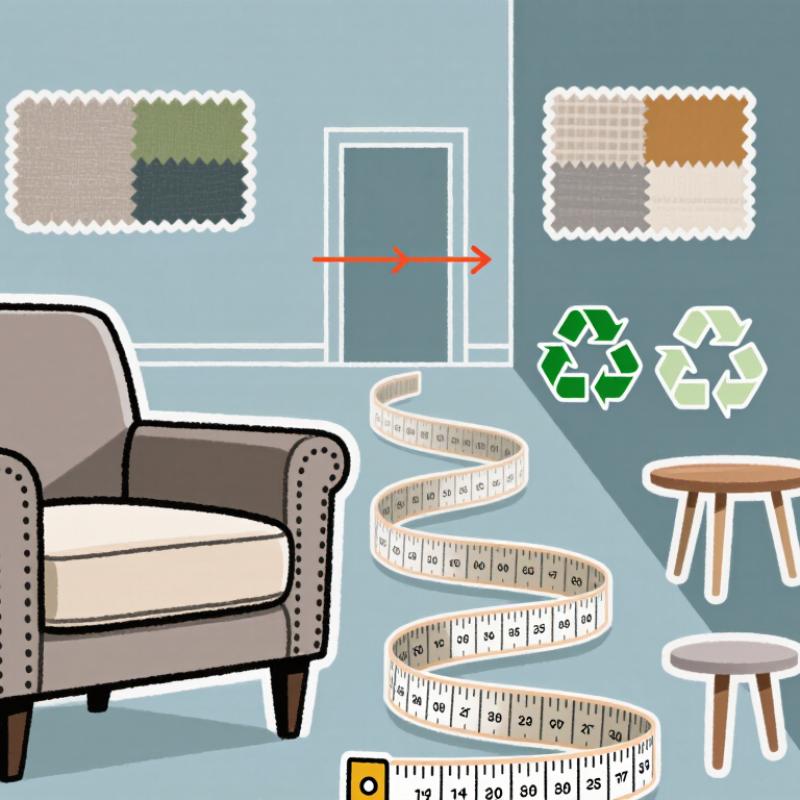
Try it slowly. Don’t trust photographs alone. A showroom chair may feel comfortable under bright lights, yet fail beside a low coffee table at home. Measure doorways, stair turns, and the space around nearby furniture. Check the upholstery’s cleaning instructions and confirm whether replacement covers or repair services exist. These details reveal a manufacturer’s confidence and long-term reliability.
In 2026, buyers also face recycled textiles, plant-based fibers, performance fabrics, and vague sustainability claims. Ask for specific material information. Look for clear warranty terms, tested weight capacity, and transparent construction details. Not every fashionable option is durable. Some assumptions need questioning. This guide explains how to compare an upholstered arm chair with practical judgment, balancing tactile comfort, visual character, and everyday resilience.
How to Choose an Upholstered Arm Chair in 2026?
Purpose should lead the decision, not fabric color. Decide whether the chair supports reading, conversation, remote work, or occasional seating. Pew Research Center reported in 2023 that 35% of U.S. workers with remote-capable jobs worked from home all the time. That figure makes a quiet corner valuable. Place the chair near a window, task light, and small table. Keep the seat close enough for a book, but not so close that movement feels awkward. A chair can look perfect and still fail at 8 p.m.
Placement also depends on circulation and noise. Many residential planning guides recommend leaving about 30 to 36 inches for comfortable passage. Measure doorways, elevators, and stair turns before ordering. Mark the chair footprint with masking tape for one day. Notice where sunlight lands. Notice where conversations naturally begin. A deep chair may suit reading, but it can crowd a narrow apartment. A firm, upright seat often works better near a dining or living area. Soft is not always practical.
For shared rooms, angle two chairs toward each other instead of pushing one against a wall. This creates a usable conversation zone without blocking walkways. Check the seat height against nearby tables, especially if someone will work there. The U.S. Consumer Product Safety Commission advises anchoring unstable furniture and keeping pathways clear, even though an armchair seems low-risk. I would still question every measurement twice. Homes change more than product photos suggest.
| Intended Purpose | Recommended Placement | Practical Chair Dimensions | Suggested Clearance | Key Selection Criteria |
|---|---|---|---|---|
| Reading Corner | Near a window, floor lamp, or bookcase; position the chair at a slight angle to the room. | Seat height: 17–19 in Seat depth: 19–22 in Overall width: 28–34 in |
24–30 in in front of the chair for comfortable leg movement and access. | Choose supportive back cushioning, firm-to-medium seat foam, and upholstery with a soft hand. A matching ottoman can support extended reading sessions. |
| Conversation Seating | Opposite a sofa or beside a coffee table in a living room or reception area. | Seat height: 17–19 in Seat depth: 19–21 in Overall width: 30–36 in |
14–18 in between the chair and coffee table; approximately 30–36 in between facing seats. | Select a moderately upright back, comfortable armrests, and a seat width that permits natural posture without dominating the seating group. |
| Small-Apartment Seating | Along a wall, beside a compact sofa, or in an unused corner of a living area. | Overall width: 26–31 in Overall depth: 28–32 in Overall height: 30–34 in |
Allow at least 24 in of walking space beside the chair and keep main pathways around 30–36 in wide where possible. | Prioritize a narrow frame, exposed legs, and visually lighter upholstery. Verify door, hallway, elevator, and stair dimensions before ordering. |
| Bedroom Accent Chair | In a corner, near a dresser, or beside a window; avoid blocking wardrobe or drawer access. | Overall width: 28–34 in Overall depth: 28–34 in Seat height: 17–19 in |
Maintain at least 30 in in front of wardrobes and drawers so doors and drawers can open fully. | Use a compact silhouette and a fabric color that complements the bedding. Medium-depth seating is generally easier to place than lounge-style deep seating. |
| Home Office Guest Seat | Across from a desk or beside a small meeting table, without obstructing the main office route. | Seat height: 17–19 in Seat depth: 18–21 in Overall width: 27–33 in |
Leave approximately 36 in behind the chair when it must be pulled away from a desk or table. | Choose a supportive, relatively upright back and easy-clean upholstery. Avoid very deep seats that encourage a reclining posture during meetings. |
| Lounge and Relaxation | In a family room, media room, or quiet corner with space for an ottoman or side table. | Seat height: 16–18 in Seat depth: 21–25 in Overall depth: 34–40 in |
Allow 18–24 in between the chair and an ottoman; keep at least 30 in for the surrounding circulation route. | Look for deeper seating, a reclining back angle, resilient cushion filling, and durable upholstery suited to frequent daily use. |
| Dining or Occasional Table Seating | At the head of a dining table, writing table, or occasional table. | Seat height: 18–20 in Seat depth: 18–21 in Arm height: typically 24–28 in |
Provide about 36 in behind the chair when users need to pull it out and sit down comfortably. | Confirm that the arms fit beneath the table apron. Select stain-resistant, tightly woven upholstery for areas exposed to food and drinks. |
| High-Traffic Family Room | Near the main sofa or media unit, positioned away from door swings and narrow passageways. | Seat height: 17–19 in Seat depth: 20–23 in Overall width: 30–36 in |
Keep approximately 30–36 in of clear circulation space on the principal walking route. | Choose tightly woven fabric, removable cushion covers where available, reinforced frame construction, and a performance rating appropriate for frequent residential use. |
| Entryway or Waiting Area | Against a wall or beside a console, while keeping the entrance and exit route unobstructed. | Overall width: 26–32 in Overall depth: 27–32 in Seat height: 17–19 in |
Keep at least 36 in clear for the primary entry path and avoid interfering with door swing zones. | Select durable, easy-care upholstery, stable arms for support, and a compact frame that does not make the entrance feel crowded. |