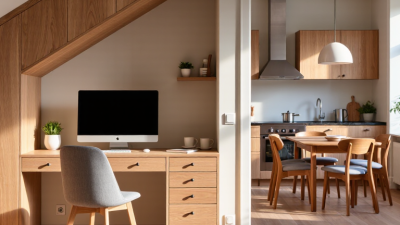
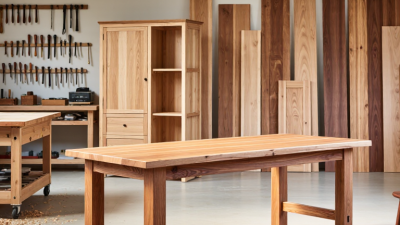
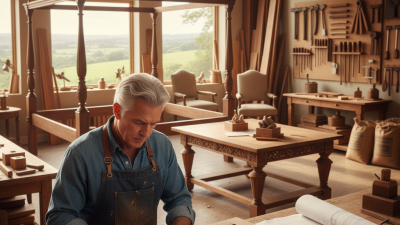
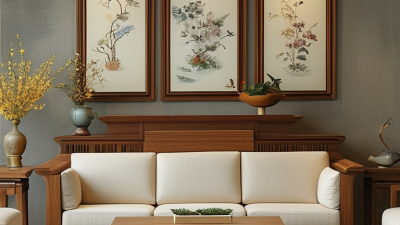
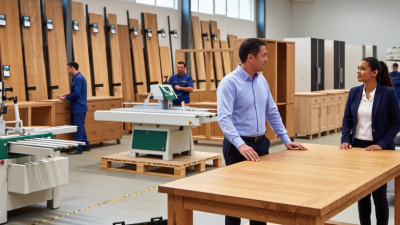
When people hear handmade furniture, they may picture a rustic table built in a small workshop. In practice, the term covers many methods, materials, and design traditions. A craftsperson may select each timber board, shape joints by hand, and adjust the finish under changing light. You can often see subtle tool marks, natural grain variation, or a carefully fitted corner. These details give a piece visual and tactile character. They also reveal the maker’s decisions. Handmade does not automatically mean perfect or superior. Quality still depends on design, materials, construction, and honest workmanship.
Choosing handmade furniture can offer more than an attractive object. A well-made table may suit your room’s exact measurements, while a custom chair can support everyday use more comfortably. The maker’s experience often appears in practical details, such as smooth drawer movement, balanced legs, and durable joinery. Ask where the materials come from, how the piece was constructed, and what care it requires. Reliable sellers should answer clearly and describe limitations. Wood movement is normal. Finishes can age. That conversation builds trust.
There is also a personal value that mass-produced furniture may not provide. A handmade chair can carry the memory of its maker, its material, and the room where it belongs. It may not be flawless. That honesty matters. The most meaningful choice considers longevity, repairability, responsible sourcing, and your actual habits. Maybe the result costs more at first. But its character, service life, and connection to skilled work can make the decision worthwhile.
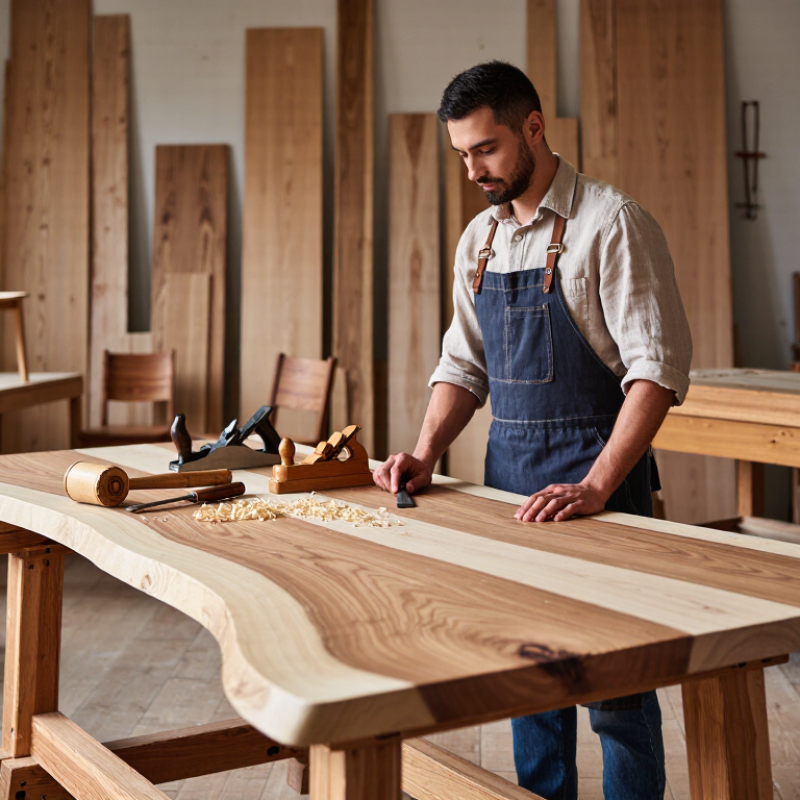
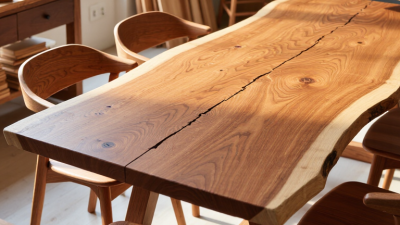
Handmade furniture is built primarily through skilled human work, rather than repeated factory automation. Machines may still cut, sand, or help shape components. The distinction lies in judgment: a craftsperson adjusts each step to the material. That judgment leaves visible character. Look closely at a solid-wood table. Grain direction may guide the joinery, while slight changes in color reveal natural timber. Small differences between chairs are normal. Perfect uniformity is not the goal.
Distinctive characteristics include hand-cut joints, tailored dimensions, and finishes applied in thin, controlled layers. A maker may test a drawer repeatedly, refining its movement until it closes without force. Traditional joints can also improve durability because they allow parts to be repaired or adjusted. However, handmade does not automatically mean excellent. Poorly seasoned wood can warp, and rushed finishing can hide problems. Craft still requires discipline.
Reliable evaluation requires more than an attractive photograph. Ask about the wood’s moisture control, joint construction, finish materials, maintenance needs, and repair options. Clear answers suggest professional practice and respect for the buyer. Still, even careful work may contain a tiny asymmetry or a tool mark. I see those details as evidence of process, not permission to ignore safety or stability. A well-made piece should feel sound, function comfortably, and age honestly in the room.
| Evaluation Dimension | Handmade Furniture | Typical Distinctive Characteristic | Practical Benefit for Buyers |
|---|---|---|---|
| Production Method | Made primarily by an individual craftsperson or a small workshop using manual tools, hand-guided machinery, or a combination of both. | The maker remains directly involved in shaping, assembling, and finishing the piece. | Buyers can often discuss design details, materials, and construction methods directly with the maker. |
| Design and Customization | Dimensions, wood species, upholstery, finishes, hardware, and storage features may be adapted to the project. | Customization is usually more flexible than standardized, ready-made furniture. | The furniture can better suit a specific room size, functional need, or personal design preference. |
| Material Selection | May use solid wood, responsibly sourced timber, reclaimed wood, natural fibers, metal, leather, or other selected materials. | Material choice is often visible and can be selected for appearance, durability, repairability, or intended use. | Clear material information helps buyers evaluate expected performance and maintenance requirements. |
| Construction Quality | Joinery and assembly may include techniques such as mortise-and-tenon, dovetail, dowel, or reinforced screw construction, depending on the design. | Construction details are often tailored to the furniture’s structure rather than optimized only for rapid assembly. | Well-executed construction can support stability and long-term use, although quality still depends on the individual maker. |
| Surface Finish | Finishes may include oil, wax, shellac, water-based coating, lacquer, paint, or other treatments selected for the material and use. | Hand-applied finishes can reveal grain and may show subtle differences in tone or texture. | The finish can provide a distinctive appearance and may be easier to refresh or repair than heavily layered surfaces. |
| Appearance and Variation | Natural grain, knots, color variation, tool marks, and slight dimensional differences may be present. | Each piece can have visual characteristics that are not perfectly identical to another piece. | Suitable for buyers who value individuality, natural materials, and visible evidence of craftsmanship. |
| Production Time | Usually requires more time because design consultation, material preparation, fabrication, finishing, and quality checks are performed in smaller batches or individually. | Lead times are commonly measured in weeks rather than immediate same-day availability, depending on complexity and workload. | A longer schedule may be worthwhile for a tailored piece, but delivery timing should be confirmed before ordering. |
| Price Structure | The price reflects skilled labor, material quality, design time, finishing work, customization, and lower production volume. | The initial purchase price can be higher than that of standardized mass-produced furniture. | Buyers should compare construction, material, expected service life, and maintenance rather than price alone. |
| Repair and Refinishing | Solid components and accessible construction can make some pieces suitable for repair, refinishing, or part replacement. | The furniture may be maintained rather than discarded when minor damage occurs. | Repairability can extend useful life, but it depends on the design, materials, damage, and availability of replacement parts. |
| Environmental Considerations | Local production, durable materials, reclaimed inputs, and made-to-order manufacturing may reduce waste in some circumstances. | Environmental performance varies according to timber sourcing, transportation, coatings, energy use, and product lifespan. | Buyers should request sourcing and finish information instead of assuming that all handmade furniture is automatically sustainable. |
| Ownership Experience | Often includes a stronger connection to the maker, the material, and the story behind the production process. | The piece may function as both practical furniture and a durable, personal design object. | It can provide long-term satisfaction for buyers who value originality, craftsmanship, and informed purchasing. |
Note: “Handmade” describes the production approach, not a guaranteed level of quality. Construction standards, materials, finish durability, and aftercare should be assessed for each individual piece.