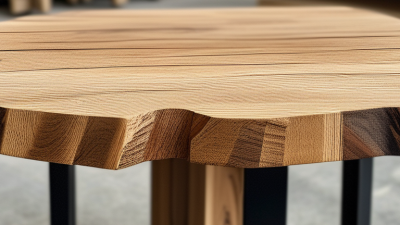
China’s handmade furniture industry combines traditional joinery with modern workshop technology. This guide introduces manufacturers known for craftsmanship, material control, and dependable export practices. It focuses on furniture made through visible human skill, not merely products labeled “handmade.”
A credible maker should explain its wood sources, moisture-control process, and finishing methods. Look for kiln-dried oak, walnut, bamboo, or reclaimed timber with clear documentation. In a showroom, inspect hand-cut dovetails, smooth drawer movement, and consistent sanding around corners. Workshop photographs, sample orders, production timelines, and independent customer feedback can reveal more than polished catalog images. Certifications may support a claim, but they should be verified directly.
The manufacturers discussed here represent different strengths, including custom design, solid-wood construction, hospitality projects, and small-batch production. Their abilities may vary by product category. A company excellent at dining tables may struggle with upholstered seating or complex cabinetry. That detail matters. Handmade work can include natural color changes, small tool marks, or slight dimensional variation. These traits may show genuine craftsmanship, yet poor finishing should not be excused as tradition.
This overview is a practical starting point, not a replacement for factory visits or third-party inspections. Product claims can change, and online information is sometimes incomplete. Buyers should confirm materials, packaging, warranties, compliance documents, and delivery terms before ordering. Careful questions protect both quality and budget. Even experienced buyers can miss details. That is why transparent communication remains the strongest sign of a reliable Chinese furniture manufacturer.
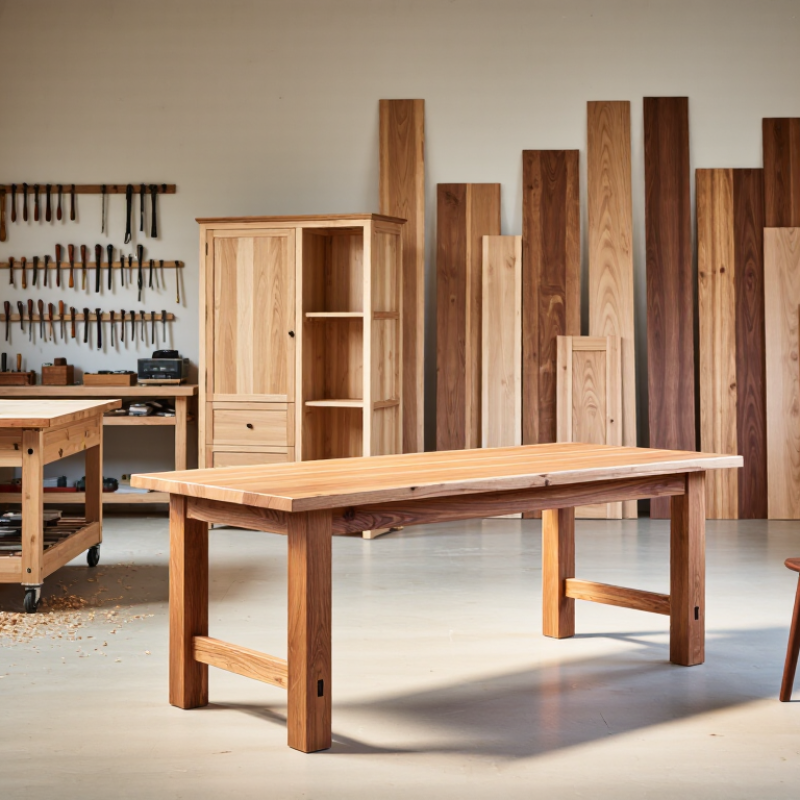
A top handmade furniture manufacturer combines skilled craftsmanship with dependable production controls. The workshop should show who makes each piece, not only display polished photographs. Experienced makers explain wood selection, moisture testing, joinery, finishing, and expected movement. Kiln-dried timber matters because furniture can crack when climate conditions change. Small details reveal expertise.
Look for samples with clean dovetails, even gaps, smooth edges, and consistent surface depth. Handmade does not mean careless. A reliable manufacturer records material sources, inspection points, packing methods, and shipment conditions. Ask for workshop videos, material samples, and a clear prototype approval process. Photographs can hide flaws. Physical samples speak more honestly.
Customization is another practical measure of capability. Skilled teams can adjust dimensions, finishes, hardware, and construction without losing structural balance. They should also explain what cannot be changed safely. That honesty builds trust. A factory promising everything may understand little. I would question unusually short lead times, vague quotations, and unexplained changes in wood grade. Some irregular grain is beautiful, but uneven doors or unstable joints are not craftsmanship. Perfection is not always realistic. Documentation, communication, and careful correction matter more than impressive claims.
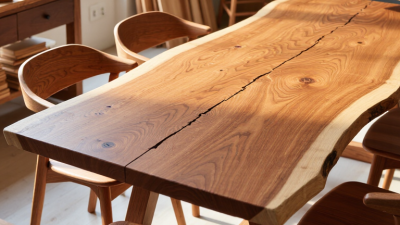
China’s handmade furniture industry is shaped by regional materials, climate, and workshop habits. Guangdong, especially Foshan, is known for efficient furniture production and skilled wood finishing. Many workshops combine traditional joinery with modern drying equipment. This balance helps reduce warping in humid conditions. Details matter.
Jiangsu and Zhejiang preserve strong traditions of refined wooden furniture. Suzhou workshops often favor balanced proportions, restrained carving, and carefully fitted mortise-and-tenon joints. Zhejiang makers may emphasize natural wood grain and smooth, understated surfaces. In northern regions, craftsmen commonly work with durable elm and walnut. Their designs often look heavier, with practical forms suited to colder homes.
Fujian and Guangdong also have deep connections with hardwood furniture traditions. Craftsmen may spend days shaping one curved armrest by hand. A reliable manufacturer should explain timber sourcing, moisture control, joinery, and finishing methods clearly. Factory photographs are not enough. Ask for close images of joints and unfinished surfaces. In practice, quality can vary between workshops within the same region. That is easy to overlook. Some makers protect old techniques beautifully, yet struggle with consistent measurements. Others use modern tools but preserve the craft’s visual character. The strongest partners usually respect both.
Chinese handmade furniture manufacturers often begin with proportion, grain direction, and daily use. According to CSIL’s World Furniture Outlook 2024, China remains the world’s largest furniture producer, contributing roughly 40% of global output. Small workshops respond by combining traditional joinery with measured digital drawings. Designers sketch a cabinet, test its door swing, then build a full-scale prototype. The process feels practical, not theatrical.
Materials receive careful attention. Kiln-dried timber is checked for moisture before cutting, while craftsmen inspect knots, color variation, and hidden cracks. CNC tools may shape repeated parts, but workers still refine edges by hand. They sand corners until the surface feels soft, then apply thin finish layers with drying time between coats. China’s National Bureau of Statistics reported furniture manufacturing revenue of about RMB 655.7 billion in 2023, showing the sector’s substantial production base. Scale does not automatically guarantee craftsmanship.
A reliable workshop records timber batches, dimensions, hardware, and inspection results. Photos often document the prototype before production begins. Yet handmade production remains imperfect. Slight tone differences can appear between panels, even after careful selection. That is part of the appeal, but poor moisture control can create warping later. Experienced buyers should request material specifications, sample approval, joinery details, and packaging tests before placing a larger order. Small details matter.
Quality begins with materials, not polished photographs. Ask whether solid wood is kiln-dried and request its moisture range. For indoor furniture, many workshops target approximately 8–12 percent, depending on climate and construction. Inspect grain direction, knot treatment, and panel stability. Details matter. Strong dovetail drawers, reinforced joints, and smooth-moving hardware reveal practical experience. A beautiful finish cannot hide weak joinery for long.
Customization requires more than changing color or size. A capable manufacturer should review drawings, confirm tolerances, and produce a detailed prototype. Check edge profiles, carving depth, upholstery density, and finish samples under natural light. Ask how revisions are recorded. Clear records reduce misunderstandings between designers and production teams. Still, handmade work includes small variations. Expect them. Perfect uniformity may indicate heavy machine production instead.
Manufacturing expertise becomes visible during quality control. Request photographs from sanding, assembly, finishing, and final inspection stages. Reliable workshops measure dimensions, test drawer movement, and inspect surface defects before packing. A factory visit, video audit, or independent inspection can provide stronger evidence than promises. Ask for previous project references, material specifications, and realistic production schedules. Be cautious when every answer sounds effortless. One sample may pass while later pieces show uneven stain absorption or loose fittings. That weakness deserves discussion, not concealment. Experienced buyers leave room for correction, because the first specification is rarely complete.
China’s handmade furniture manufacturers combine traditional joinery with flexible workshop production. Their strongest products often include solid-wood dining tables, carved cabinets, upholstered seating, and custom bedroom pieces. Skilled teams can adjust dimensions, timber grades, stains, and hardware for project requirements. A hand-finished oak tabletop may show visible grain, soft edge rounding, and slight color variation. That variation is not automatically a defect.
The China National Furniture Association reported that furniture enterprises above designated size generated about RMB 655.7 billion in operating revenue in 2023. This figure covers the wider industry, not handmade production alone. CSIL’s World Furniture Outlook 2024 also identified China as the world’s largest furniture producer, representing roughly 37% of global output. These figures show manufacturing depth, but they do not prove craftsmanship. Buyers should inspect workshop samples, moisture-control records, joinery photographs, and finishing specifications. Ask for a production sample. Small details matter.
Leading handmade manufacturers usually stand out through material traceability, experienced artisans, and controlled customization. Reliable suppliers explain timber moisture targets, panel construction, load testing, and repair procedures clearly. They should provide measurable tolerances, not only attractive showroom language. However, handmade work can involve longer lead times and minor surface differences. That requires honest communication. A perfectly uniform result may be less realistic than a durable, carefully finished piece.