10 Best Furniture Builder Options for Global Buyers
Buying furniture across borders is rarely a simple search for attractive shelves or lower prices. A dependable furniture builder must balance joinery, materials, customization, packaging, communication, and after-sales support. This guide examines ten options for global buyers, using practical signals rather than polished catalog language. We consider workshop experience, production capacity, documented material choices, quality-control routines, and export readiness. Details matter. Look for mortise-and-tenon joints, smooth drawer runners, moisture-resistant finishes, and cartons tested against rough handling. William Morris, the influential British designer and Arts and Crafts furniture expert, wrote, “Have nothing in your houses that you do not know to be useful, or believe to be beautiful.” His standard still challenges modern purchasing decisions. A beautiful table that arrives damaged is not a successful purchase.
The comparison also considers quotation clarity, sample policies, lead times, minimum order quantities, and responsible sourcing information. These factors can change by region, season, and product scale. No ranking can remove every uncertainty. That is worth admitting. A small workshop may offer warmer communication, while a larger manufacturer may provide steadier capacity. Neither choice is automatically safer. Buyers should request material samples, inspect finish photos, confirm dimensions in writing, and clarify duties before payment. We also note where evidence is limited, because confident marketing should not replace verification. The ten furniture builder options below are a practical starting point, not a guarantee. Use them to compare craftsmanship, service, pricing, and fit for your market. Good furniture should survive shipping, daily use, and changing tastes. It should also leave room for sensible questions.
Global Furniture Builder Landscape: Trade Data, Regions, and Standards
Global furniture sourcing is shaped by trade flows, production capacity, and compliance requirements. UN Comtrade data for HS 94 shows that furniture remains a major manufactured-goods category, with exports concentrated in East Asia, Europe, and North America. These regions differ sharply in cost, lead times, materials, and factory specialization.
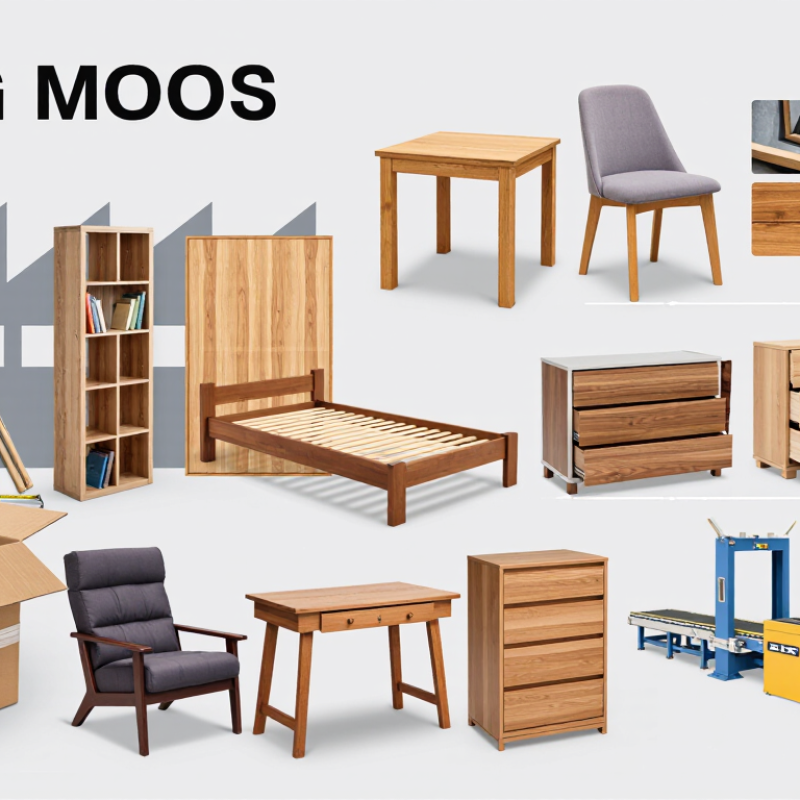
Ten practical builder options include solid-wood workshops, panel-furniture factories, metal-frame producers, upholstery specialists, hospitality suppliers, office-furniture makers, modular manufacturers, custom joinery shops, flat-pack producers, and contract factories.
Regional selection matters. East Asian suppliers often provide scalable production and broad material choices. European factories usually offer strong design control and documented testing. North American builders can reduce delivery friction for regional buyers.
Standards require closer attention than catalog photos suggest.
ISO 7170 covers storage furniture strength and durability, while EN 12520 addresses domestic seating safety. Buyers should request test reports, material declarations, moisture records, and batch inspections.
The 2023 World Bank Logistics Performance Index also shows meaningful differences in customs efficiency and shipment reliability across markets. Trade data alone cannot reveal factory discipline.
That is the uncomfortable part.
A low quoted price may hide rework, weak packaging, or inconsistent timber moisture. I would compare landed cost, not unit cost, and keep approval samples from every production batch. Mistakes still happen. Clear specifications reduce their impact.
Buyer Criteria: MOQ, Capacity, Lead Time, and Landed Cost
10 Best Furniture Builder Options for Global Buyers
A reliable furniture builder should match your purchasing model, not only offer attractive photos. Check the MOQ against your sales forecast and storage space. A 500-piece minimum may reduce unit cost, but it can trap cash in slow-moving designs. Ask for monthly capacity, current production schedules, and evidence of completed orders. Factory size alone proves little. A crowded loading area may signal demand, or poor planning. Review both possibilities.
Lead time needs separate figures for samples, materials, production, inspection, and shipping preparation. A quoted 30-day schedule may exclude hardware delays or holiday closures. Request a written timeline with approval points. Capacity should also be tested during peak seasons. Can the workshop maintain quality when several containers are due the same week? Small trial orders can reveal finishing defects, packaging weakness, and communication gaps.
Tips:
Compare landed cost, not just the factory price. Include inland transport, export handling, freight, insurance, customs duties, port fees, and final delivery. Use the same product specifications and shipment terms for every quote. A lower unit price may become expensive after oversized cartons add freight charges. Ask for carton dimensions and net weights early. Keep a contingency budget, because currency changes and inspection rework are easy to underestimate. Recheck every assumption.
Options 1–3: FSC Wood Builders and FAO’s 31% Forest Baseline
For global buyers, the first three furniture builder options should begin with verified wood, not attractive catalog images. FSC-certified timber comes from forests managed against environmental and social standards. Buyers should request a valid certificate and chain-of-custody record for each relevant product. A logo alone is not enough.
The 31% figure matters. FAO reports that forests cover roughly 31 percent of the world’s land area, based on its global forest assessment. This baseline shows why procurement choices can influence a vast, pressured resource. Responsible builders should explain species, origin, harvest controls, and replacement materials before production begins. Solid oak, rubberwood, bamboo, and engineered panels need different checks. Species names can be confusing across markets. Ask for botanical names and test reports when possible.
In practice, compare three builder profiles: certified solid-wood specialists, mixed-material workshops, and engineered-wood manufacturers with documented sourcing. Examine moisture readings, joint samples, finish safety data, packaging, and repair procedures. I have found that small samples reveal uneven sanding faster than polished photos. Still, certification does not guarantee perfect workmanship. A shipment may arrive late, or a batch may vary. That uncomfortable possibility deserves written tolerances, inspection points, and remedies. Buyers should also check whether documents match the factory address and product scope. Without that step, sustainability claims can become guesswork.
Options 4–7: Panel and Contract Builders Using BIFMA Tests
For global buyers, Options 4–7 focus on panel builders and contract furniture manufacturers.
These suppliers produce workstations, storage walls, conference tables, and modular partitions. Their advantage is repeatable production. Panels arrive with consistent edges, drilled points, and tested hardware. That precision matters when hundreds of desks must fit one floor. Grand View Research estimated the global office furniture market at approximately USD 54.2 billion in 2023, showing strong demand for scalable workplace systems.
BIFMA testing gives buyers a clearer technical reference.
ANSI/BIFMA standards examine strength, stability, durability, and functional safety. A serious builder should provide test reports, sample specifications, and production-control records. Ask whether testing covers the complete assembly, not only the tabletop or panel. The difference is important. A strong-looking desk can still loosen after repeated loading. BIFMA’s industry guidance also supports practical checks for seating, desks, storage, and workstation components.
Contract builders should explain lead times, replacement parts, packaging methods, and installation tolerances.
These details often decide whether a project stays on schedule. Request a pilot batch before approving a global order. Check screw alignment, edge protection, cable access, and surface consistency under real lighting. I would not trust a certificate alone. Testing may reflect one configuration, while your final project uses another. That gap deserves careful review, especially when local assembly teams have limited experience. According to the U.S. Green Building Council’s market guidance, material transparency and durability increasingly influence commercial procurement, yet buyers sometimes overlook repair access and long-term maintenance.
Options 8–10: Custom Builders Screened by EN 16139 and EUDR
Option 8: Custom builders screened against EN 16139 can offer reliable seating for offices, hospitality areas, and public interiors. This standard examines strength, stability, durability, and safety for non-domestic use. Buyers should request test reports linked to the exact model, not a similar product. Check frame joints, fasteners, load ratings, and upholstery performance. A sample chair should survive practical handling before a large order begins.
Option 9: EUDR-focused builders provide stronger control over wooden furniture supply chains. Ask where the timber was harvested, which species were used, and how the plot location was documented. Reliable suppliers can explain their due diligence process and provide traceability records. In practice, this may include supplier declarations, geolocation data, legality checks, and risk assessments. Digital files help, but clear explanations matter more than polished folders.
Option 10: The strongest custom builders combine both screening methods with transparent production controls. They confirm material substitutions before manufacturing and record batch details during assembly. Inspectors should examine moisture levels, surface treatment, packaging damage, and dimensional accuracy. No screening method is perfect. Documents can look complete while a small supplier gap remains. Buyers should keep an approval checklist, arrange a pre-shipment inspection, and leave room for corrective action. That extra step may feel slow, yet it often prevents expensive replacement work and unclear responsibility later.