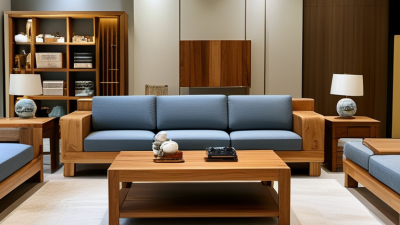
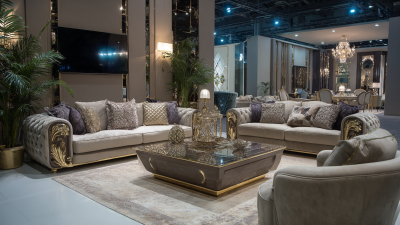
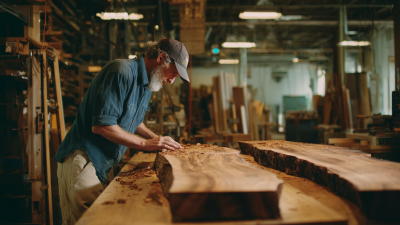
Bespoke furniture is made for a particular person, room, and purpose. It begins with questions, not a catalogue. How wide is the alcove? Where does afternoon light fall? Will the oak desk need to hold a monitor, notebooks, and a cup of coffee? Those details shape its dimensions, materials, and finish.
The approach has a long design history. British designer and craftsman William Morris wrote, “Have nothing in your houses that you do not know to be useful, or believe to be beautiful.” His words capture a reason many people choose bespoke furniture: a piece can serve daily needs while feeling at home in its setting. Morris was not describing today’s bespoke industry, but the principle remains relevant.
A custom-made cabinet might fit neatly beneath a sloping ceiling, with drawers sized for actual belongings. A dining table can be built to suit a narrow kitchen, rather than forcing the room around standard measurements. Skilled makers can also explain how timber, joinery, and finishes may affect durability and care. Ask to see material samples, workshop photographs, and a clear breakdown of the design and price. Good work should be discussed, not simply promised.
There are trade-offs. Bespoke pieces can cost more and take longer than ready-made furniture. And a beautiful sketch is not yet a comfortable chair. Understanding what bespoke furniture involves helps you decide whether the fit, craft, and personal details justify the extra time and expense.
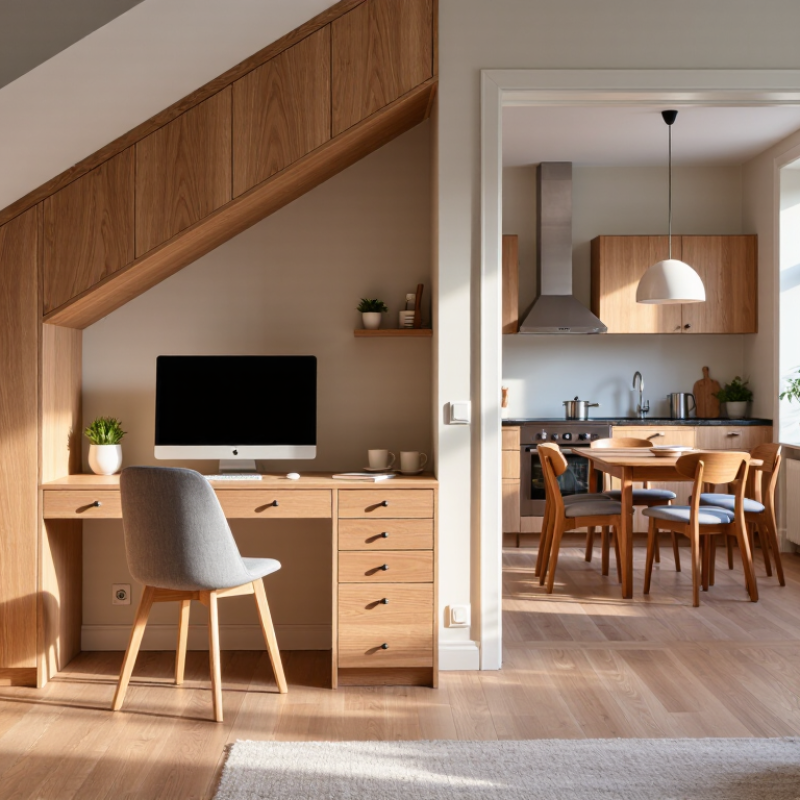
Bespoke furniture is made to suit a particular person, room, and purpose. Rather than choosing a standard size or finish, you work with a maker to set dimensions, materials, storage, and details. A bespoke bookcase, for example, can fit beneath a sloping ceiling and leave space for a radiator. Off-the-shelf pieces are produced in set sizes and designs, so they are usually quicker to buy and easier to compare. The trade-off is fit: a standard cabinet may leave an awkward gap or block a socket. Custom work takes planning. It may also cost more, and the result depends on clear measurements and communication.
Tips: Measure the room in several places, including doorways and skirting boards. Note how you use the furniture each day. A beautiful drawer is less useful if it cannot open fully beside the bed.
Before commissioning a piece, ask which materials suit your household and how they will age. Solid wood, veneer, and painted finishes each behave differently with moisture, sunlight, and wear. Request drawings or a sample finish when possible. Check the agreed dimensions, lead time, and care instructions in writing. One detail can be overlooked; I have seen a perfect-looking plan miss the reach of a nearby switch. Bespoke furniture is not automatically better. It works best when the room has specific needs that standard options cannot meet.
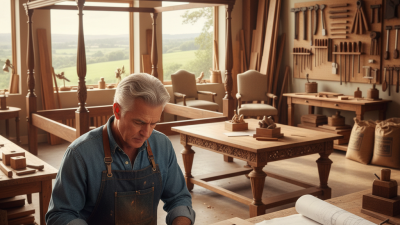
Bespoke furniture begins with a conversation, not a catalogue. The maker studies the room, the client’s habits, and the available space. Measurements include awkward corners, skirting boards, door swings, and natural light. A cabinet for books needs different proportions from one for delicate ceramics. Photographs and material samples also reveal practical details that drawings can miss. An honest brief matters. It should include budget, deadlines, storage needs, and daily frustrations.
Design develops through scaled drawings, digital models, and physical samples. The maker tests height, depth, and opening positions before cutting valuable materials. A small timber sample can show its grain, weight, and changing colour. Hardware is considered early, because hinges and runners affect the whole structure. A first sketch is rarely right. That is normal. Client feedback may expose a blind spot in the design.
After approval, the workshop turns the plan into measured components. Timber is checked for movement, knots, and moisture before machining. Joinery, such as dovetails or mortise-and-tenon joints, provides strength without relying only on visible fittings. Edges are sanded by hand, often several times. Finish is applied in thin coats, with drying time between them. The final piece is assembled, adjusted, and inspected before delivery. Installation may require careful scribing against an uneven wall. A drawer can look perfect in the workshop yet need a small correction on site. That correction is not a failure; it is part of making furniture fit a real home.
Bespoke furniture begins with a material decision, not a decorative trend. Solid hardwood offers strength, repairability, and visible grain. Walnut feels warm and dense, while oak shows a more pronounced texture. Engineered wood can also perform well when stable panels are needed. The choice depends on use, humidity, and maintenance expectations.
The Food and Agriculture Organization’s Global Forest Resources Assessment 2020 reported that forests cover about 31% of global land. It also recorded roughly 420 million hectares of forest loss between 1990 and 2020. Responsible makers therefore assess timber origin, durability, and expected lifespan together. Reclaimed wood can add character, but hidden fasteners, moisture, and previous treatments require careful inspection. Imperfection has value. It can also create problems.
Crafting methods shape how a piece ages. Kiln-drying reduces moisture before joinery begins. Mortise-and-tenon joints suit frames that must resist repeated movement. Dovetails remain practical for drawers, not merely traditional. A CNC machine can improve repeatability, while hand-planing softens edges and reveals the maker’s judgment. Finishes matter too. Oil highlights grain and allows local repairs, whereas tougher coatings offer stronger surface protection. The U.S. Environmental Protection Agency reported 12.1 million tons of furniture and furnishings entered the U.S. municipal waste stream in 2018. That figure makes repairable construction more than an aesthetic preference. It is a practical design responsibility. Even skilled craftspeople misjudge seasonal wood movement sometimes. A thoughtful design leaves room for that reality.
Bespoke furniture is made around your room, habits, and measurements, rather than standard dimensions. In practice, this can transform an awkward alcove into useful storage. A fitted desk may leave space for knees, cables, and a reading lamp. The process usually begins with a site visit, detailed drawings, and a discussion of materials. Experienced makers also check wall levels, floor conditions, and door clearances. These small checks prevent expensive surprises. Good design should look attractive, but it must also survive daily use.
Tips:
Measure how you live, not just the room. Note where sunlight falls, where children move, and which items need quick access. Ask for samples of wood, paint, handles, and upholstery. View the maker’s previous work, and request clear information about construction, care, lead times, and costs. A written specification improves accountability. Keep a small contingency budget. Custom work can reveal hidden building problems, and estimates are not always perfect.
Choosing bespoke furniture makes sense when standard pieces waste valuable space or fail to meet physical needs. It can support accessibility, conceal clutter, or create a calm visual rhythm across several rooms.
The best results come from honest compromises. A deeper cabinet may hold more, yet reduce walking space. A delicate finish may look beautiful, but demand gentler maintenance. Not every custom idea is practical. Reconsidering a detail before production is wiser than regretting it after installation. Reliable makers explain limitations instead of promising everything.
Bespoke furniture is designed and made for one specific room, person, or purpose. Its value is not limited to appearance. A fitted bookcase can follow an uneven wall, hide cables, and preserve a narrow walkway. A dining table can match the household’s preferred height, timber, and daily habits. Grand View Research estimates that the global custom furniture market will grow by roughly 5% annually through 2030. This suggests rising demand, but market growth does not guarantee a successful commission.
Before commissioning, measure the room twice and record doors, skirting boards, sockets, and natural light. Share photographs and a simple floor plan with the maker. Ask about timber movement, joinery, finishes, maintenance, and repair options. These details affect durability more than a polished showroom image. The American Home Furnishings Alliance notes that furniture durability depends heavily on construction quality and material selection. Request a written specification, realistic drawings, staged payments, and a clear delivery window. Allow for ventilation and access during installation. I have seen beautiful designs fail because a cabinet could not pass through the staircase. That mistake is expensive. Bespoke work can also take longer than expected, especially when materials change or drawings need revision. Leave room for honest discussion. A slightly imperfect decision, made early, is usually cheaper than a perfect-looking surprise later.