7 Tips for Buying Made to Order Furniture

Buying made to order furniture can turn an awkward corner or a narrow room into a place that finally works. It also asks you to make choices before the piece exists. A sofa’s width, a table’s edge, and the finish on a wood sample can feel different at home than they did in a showroom. Designer and furniture maker Charles Eames said, “The details are not the details. They make the design.” That idea suits custom furniture well. Small decisions shape how a piece looks, feels, and holds up to daily use.

A little preparation helps. Measure the room, the doorway, and the route the furniture must travel. Write down what you need the piece to do, not only how you want it to look. Ask about materials, construction, finish samples, production time, delivery, and what happens if the finished item differs from your approved specifications. Get the details in writing. Then review them once more. Even careful buyers can overlook a practical issue, such as a drawer that opens into a radiator. It happens. The following seven tips will help you compare makers, clarify your options, and make choices with fewer surprises. They cannot guarantee a perfect result, and personal taste can change. But a clear plan makes it easier to choose made to order furniture that fits your space and everyday life.
7 Tips for Buying Made to Order Furniture

Define Your Needs, Style, and Intended Use

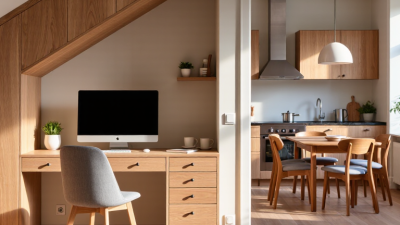
Before choosing a made-to-order piece, write down what it must do each day. Measure the room, including doorways, walkways, and the space around nearby furniture. A dining table for six needs more than six chairs; allow room to pull each chair back. Note who will use it, too: children, pets, or someone who needs easier access. Small details matter. Sometimes more than expected.

Then consider the style and materials that suit your home and routine. A pale wood finish may look calm in a bright showroom, yet show marks in a busy entryway. Think about sunlight, spills, and how often you are willing to clean or maintain the surface. Save a few photos of your room, and note the colors and textures you want the new piece to complement. Be specific, but leave room for discussion. Your preferred design may need adjustments for comfort, stability, or the available space. It is easy to focus on appearance and overlook daily use; even careful planning can miss something. That is worth admitting before confirming dimensions, finishes, and intended use.
7 Tips for Buying Made to Order Furniture — Define Your Needs, Style, and Intended Use

Use these typical planning dimensions as starting points when defining your furniture requirements. They are general guidelines, not building-code requirements; confirm measurements for your room and intended use.

Measure the Space and Confirm the Furniture’s Dimensions

Tip: Measure the room before choosing a made-to-order piece. Use a tape measure to record the available width, depth, and height, then check them again. Note baseboards, radiators, window sills, sloped ceilings, and door swings. These small details can steal useful space. A paper outline or masking tape on the floor can help you picture a sofa or table at full size. It may feel fussy, but guessing is worse.

Tip: Check the route into the room, not only the final spot. Measure hallways, door openings, stair turns, and elevator interiors. Compare the narrowest points with the furniture’s packaged or largest dimensions. Leave room to maneuver; a piece that fits through a doorway on paper may still be awkward around a tight corner. Measure twice. Keep the figures together.

Tip: Confirm the finished dimensions with the furniture maker before approving the order. Ask whether listed measurements include projecting handles, legs, or upholstery, and whether handmade construction may vary slightly. Allow clearance for drawers, reclining parts, and everyday movement around the piece. If a measurement seems close, pause and clarify it rather than assuming. Room plans are not always perfectly square, either, so recheck the wall where the furniture will sit.

Choose Materials, Finishes, and Customization Options

Choose materials for the room’s real demands. Solid wood can be repaired and refinished, but it moves with humidity; wide tabletops may need thoughtful construction. Veneer over a stable core can be practical, though damaged veneer is harder to repair. EPA’s 2018 Advancing Sustainable Materials Management report estimated that U.S. furniture and furnishings generated 12.1 million tons of waste; about 77% went to landfills. That figure makes longevity worth considering, not a guarantee that every durable-looking piece is sustainable. Ask what the frame, core, and upholstery are made from.

Finishes change both appearance and upkeep. Request a sample in the exact finish, then view it in morning light and under evening lamps. A pale stain can look warmer beside a window. It may look flat in a dim corner. Ask how to clean the surface and whether the finish can be renewed. For upholstered pieces, request the fabric’s abrasion-test results and cleaning guidance. A high test score alone does not promise comfort or stain resistance.

Customization should solve a specific problem. Measure doorways, stair turns, and the final placement—not just the wall. Leave room for drawers to open and chairs to pull back. Write down dimensions, cushion firmness, leg style, and hardware before approving a drawing. I would still leave some choices open until seeing physical samples; screens can mislead. Small detail. Yet it matters.

Assess the Maker’s Craftsmanship, Policies, and Communication

A made-to-order piece can look flawless in a bright photograph. It is easy to overvalue polished images, so ask to see close-ups of finished work. Check how drawer fronts align, whether doors swing evenly, and how joints meet at the corners. Ask what materials and finishes were used, and how they may change with daily use. Small details matter.

Read the maker’s policies before paying a deposit. Confirm the quoted dimensions, price, estimated schedule, and what happens if you request a change. Ask how delivery, assembly, damage, and repairs are handled. Return options for custom pieces can vary, so get the exact terms in writing. That is useful. A clear policy should explain what is included, not just what is excluded.

Communication is part of the craft. Notice whether the maker answers specific questions or offers only vague reassurance. Ask for a drawing or written specification before production, especially for unusual dimensions or storage needs. Agree on when you will receive updates and who to contact if the schedule shifts. One missed detail can happen; the response matters more. If a measurement feels uncertain, pause and check it against the actual room, not memory.

Compare Pricing, Payment Terms, and Delivery Timelines

A made-to-order price is only useful when you know what it includes. Compare the same table dimensions, wood grade, finish, and hardware across quotes. Ask whether delivery, packaging, and taxes are included. Small differences add up. A low quote may exclude a durable finish or careful packing, while a higher one may cover both. Request an itemized estimate, then check how long the quote remains valid. Custom materials can change in price.

Payment terms deserve equal attention. Confirm the deposit amount, when the balance is due, and which payment methods are accepted. Ask what happens if you change a measurement or finish after production begins. Get the answers in writing. A staged payment tied to clear milestones can make progress easier to track, but the schedule should be specific. Vague wording is a warning sign. I would not rely on a reassuring phone call alone; details are easy to remember differently later.

Delivery timelines need more than a single date. Ask when production is expected to start, how many weeks it usually takes, and whether shipping time is separate. Find out if the carrier brings furniture inside or leaves it at the curb. Measure doorways, stairs, and tight turns before ordering. A delay can happen, even with a careful workshop, so ask how updates are shared and whether an estimated delivery window can shift. That answer may feel less certain than you hoped. It is still useful.

7 Tips for Buying Made to Order Furniture - Compare Pricing, Payment Terms, and Delivery Timelines
Tip What to Compare Useful Questions and Benchmarks Buyer Action
1. Compare like-for-like quotes Materials, dimensions, finish, hardware, and included services Check whether the quoted price includes taxes, delivery, assembly, and removal of packaging. Prices vary widely with size, materials, and design complexity. Send each maker the same written specification and request an itemized quote.
2. Confirm the payment schedule Deposit amount, progress payments, final balance, and payment methods Made-to-order sellers may request a deposit before production; the amount and timing are set by each seller. Confirm when the balance is due and whether payment is required before dispatch. Get every payment date, amount, and refund condition in writing before paying.
3. Get a realistic delivery window Production time, estimated dispatch date, transit time, and delivery appointment Custom production commonly takes several weeks or longer. Lead times depend on materials, workload, finishing, and shipping distance; ask for a dated estimate rather than a general promise. Ask what happens if production or delivery is delayed, and request progress updates.
4. Check dimensions and access Finished measurements, clearances, doorways, stairs, and elevator access Confirm width, depth, height, and any size tolerances. A piece that fits the room may still be too large to move through an entryway or stairwell. Measure the intended space and delivery route; provide measurements before production.
5. Specify materials and finish Wood species or other material, finish, upholstery, color, and care requirements Natural materials can vary in grain, color, and texture. Ask whether samples are available and whether the final piece may differ from sample images. Record the chosen material, color, finish, and approved sample or reference in the order.
6. Review customization and change terms Design approval, permitted revisions, cancellation, and return policy Custom orders may have different cancellation and return conditions from ready-made items. Changes after production begins can affect both price and delivery timing. Approve drawings or specifications before work starts and confirm how changes are priced.
7. Verify delivery, inspection, and warranty details Delivery service level, damage process, assembly, warranty coverage, and claims deadline Clarify whether delivery is curbside or inside the home, who assembles the item, and how to report transit damage. Warranty coverage and claim deadlines vary by seller. Inspect the item on arrival, document any damage promptly, and keep the order and warranty documents.
Prices, payment schedules, production times, return policies, and warranty terms vary by seller, product, and location. Treat estimates as quote-comparison prompts and confirm the exact terms in your written order.