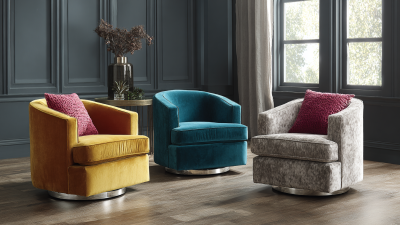
Global sourcing for an upholstered arm chair is no longer just a search for attractive frames and fabric swatches. Buyers must balance comfort, construction, lead times, customization, and dependable communication across borders. The market is sizable. Grand View Research estimated the global furniture market at USD 673.09 billion in 2022 and forecast a 5.0% compound annual growth rate from 2023 to 2030. This broad category includes many furniture types, not armchairs alone, but it signals the scale of competition suppliers face.
For procurement teams, that context makes supplier verification practical, not optional. A polished catalog can show a deep seat, tight upholstery, and neatly finished seams. It cannot prove how a supplier handles repeated orders or resolves defects. Buyers should compare frame materials, foam specifications, fabric performance, sample approval processes, and stated production capacity. Ask for recent references and clear quality-control records. Small details matter.
This guide introduces leading upholstered arm chair suppliers for global buyers in 2026, with attention to product range, manufacturing capabilities, and export readiness. It is a starting point, not a substitute for factory checks. Market estimates also vary by report scope and classification, so one headline figure should not decide a purchase. A sample may look excellent under showroom lighting and disappoint in everyday use. That happens. Thoughtful buyers test the chair, verify claims, and discuss packaging and delivery expectations before placing a large order.
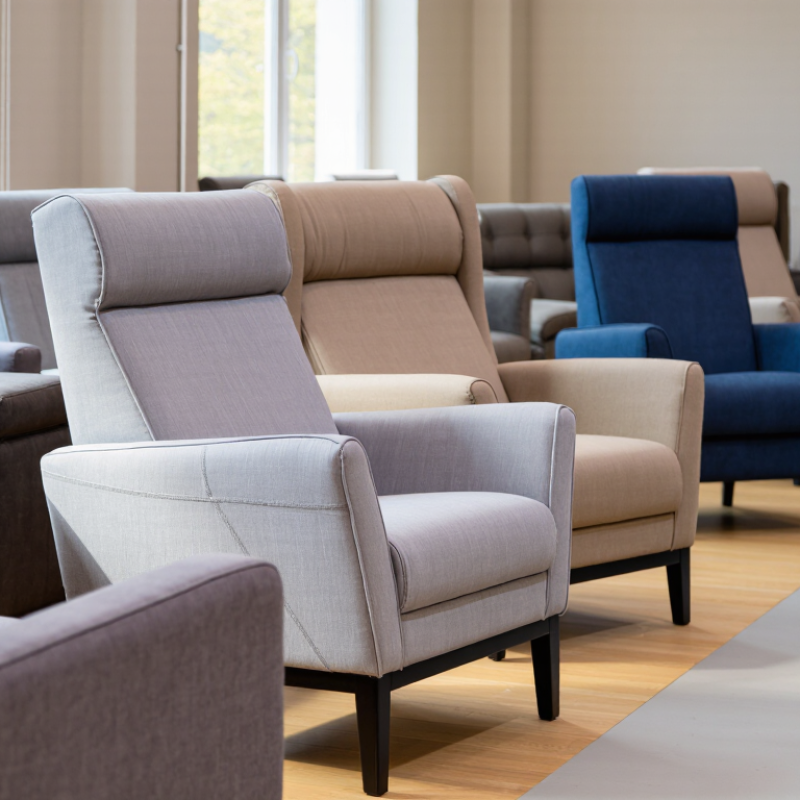
2026 Top Upholstered Arm Chair Suppliers for Global Buyers
What Defines an Upholstered Arm Chair Supplier in 2026
In 2026, an upholstered arm chair supplier is more than a source of attractive catalog photos. A dependable partner can explain frame materials, joint construction, foam density, and fabric performance in plain language. Ask for measurable specifications, not just terms such as “premium” or “commercial grade.” Small details matter. A loose seam or uneven cushion becomes obvious after repeated use.
Reliable suppliers provide clear samples and production information before an order is confirmed. Check the stitching, fabric feel, seat support, and how the chair sits on a level floor. Request relevant test reports, but confirm what each report covers and whether it applies to your destination market. Requirements can vary. Packaging also deserves attention: arm corners and exposed legs need protection during shipment, and cartons should be easy to identify at receiving.
Communication is part of product quality, though it is easy to overlook. Suppliers should confirm dimensions, fabric options, lead times, and changes in writing. Ask how they handle defects and replacement parts. A sample may look excellent, while a large production run can still vary slightly; discuss acceptable tolerances early. No checklist removes every risk, and buyers should inspect pre-production samples carefully. The process is not always neat. Clear records make it easier to resolve surprises.
Compare supplier capabilities rather than relying on a ranking. The profiles below describe common supplier types, not named companies. Specifications and commercial terms vary by factory, model, destination market, and order; verify them directly before purchase.
| Supplier Profile | Typical Strengths | Key Product Details to Confirm | Quality and Compliance Checks | Best Fit for Global Buyers | Questions to Ask Before Ordering |
|---|---|---|---|---|---|
| Upholstery-focused manufacturer | Specialized fabric cutting, sewing, pattern matching, upholstery, and trim work; useful for projects where fabric and finish consistency matter. | Fabric composition, abrasion-test method and result, colorfastness information, seam construction, foam specification, and options for removable covers. | Request a pre-production sample and inspection criteria. Check that any fabric performance claims identify the test method and applicable standard. | Buyers seeking multiple fabric choices, coordinated seating, or detailed upholstery customization. | Can fabric lots be matched across repeat orders? How are cuttings, seams, and upholstery defects inspected? |
| Contract seating manufacturer | Experience with commercial seating programs, repeatable production, and project-specific documentation. | Frame material and construction, joint details, seat and back dimensions, load-rating basis, and the intended use environment. | Ask for applicable strength, durability, and safety test reports for the exact chair model. Confirm the tested configuration matches the proposed product. | Hospitality, workplace, education, and other buyers who need documented performance requirements. | Which tests were performed, by whom, and on which model, fabric, and frame configuration? |
| OEM / ODM furniture exporter | May offer standard catalog designs alongside private-label production, packaging options, and export coordination. | Model dimensions, material substitutions, sample-to-production consistency, carton dimensions, gross weight, and assembly requirements. | Approve a signed specification sheet and production sample. Define inspection timing, acceptable defects, and packaging checks in the purchase agreement. | Importers and retailers balancing standard designs with controlled customization. | What changes are allowed after sample approval, and how are revisions recorded and approved? |
| Wood-frame furniture specialist | Can be a good fit when visible timber, frame joinery, or a particular wood finish is central to the design. | Wood species, frame construction, moisture-control approach, finish system, and whether timber is solid wood, engineered wood, or a combination. | Verify material descriptions and request documentation for any sourcing or chain-of-custody claim. FSC certification, for example, should be checked for the relevant certificate and product scope. | Buyers prioritizing timber appearance, frame details, or wood-sourcing requirements. | Which components use solid wood or engineered wood, and what documents support any responsible-sourcing claim? |
| Made-to-order project supplier | May accommodate custom dimensions, finishes, fabrics, or design specifications for a defined project. | Approved drawings, dimensional tolerances, material schedule, prototype approval process, and replacement-part availability. | Use a written specification and approval record. Confirm that any required fire-safety, chemical, or product-safety rules apply to the destination and product type. | Design-led projects with clear specifications and sufficient time for sampling and approvals. | What is the sample and approval timeline, and how are deviations from approved drawings handled? |
Buyer note: Upholstered arm chairs do not have one universal set of dimensions, test requirements, or fire-safety rules. Confirm the destination market’s requirements, the exact product configuration, test methods, commercial terms, production lead time, shipping terms, and warranty in writing. Certification or test claims should be verified against the relevant product, facility, and certificate scope.