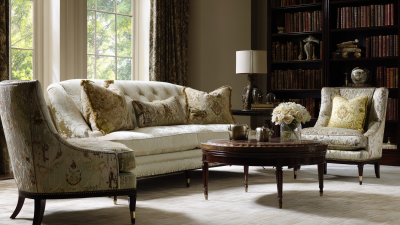
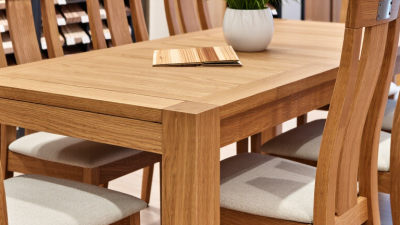
How to Choose the Best Sofa Chair for Your Home

Choosing the best sofa chair for your home means balancing comfort, room size, durability, and personal style. A chair may look inviting in a showroom yet feel too deep beside a narrow walkway. Measure the space, including the route through your doorway, before you shop. Then compare seat height, depth, and arm position with how you actually sit. Prefer reading with your feet tucked up? A firm, upright seat may not suit you. Small details matter.

Furniture designer William Morris offered a useful principle: “Have nothing in your houses that you do not know to be useful, or believe to be beautiful.” It is a thoughtful lens for choosing a sofa chair, not a strict rule. Check the frame and joints, inspect stitching, and ask how the upholstery handles everyday wear. If possible, sit in the chair for several minutes; a quick showroom perch tells you little. Take a fabric sample home, where daylight can change its color. Looks different at night.

This guide will help you weigh common chair styles, materials, proportions, and care needs. It will also point out trade-offs: a plush cushion can feel welcoming but may need frequent fluffing, while a compact chair can save space but offer less room to stretch. There is no single best choice for every home. Even careful measurements cannot predict exactly how a chair will feel after months of use, so consider the return policy and warranty before deciding.

How to Choose the Best Sofa Chair for Your Home

Define How the Sofa Chair Will Be Used

Before choosing a sofa chair, decide what it must do on an ordinary Tuesday.

Will you watch television, read, host a guest, or sit briefly while putting on shoes? The U.S. Bureau of Labor Statistics’ 2023 American Time Use Survey found that people aged 15 and older watched television for an average of 2.6 hours daily. If your chair is for evening viewing, check that its seat depth lets you rest your back without leaving your feet dangling. A footstool may help.

For reading, look for armrests that support your elbows and a backrest that feels comfortable when you sit upright. Test it in the posture you actually use. A showroom pose can mislead.

Think about who will use it, and how often. A chair for an older family member may need firm support and arms that make standing easier; AARP’s 2024 Home and Community Preferences survey found that 75% of adults aged 50 and older want to remain in their homes as long as possible. That makes everyday comfort worth considering, not just appearance.

Measure the route into the room, too. A chair that fits beside the window but blocks a doorway is a poor fit. Small detail, big difference.

Be honest about habits: a chair meant for guests may become your favorite seat, or collect laundry. That happens. Choose for the use you expect, while leaving room for the one you may not.

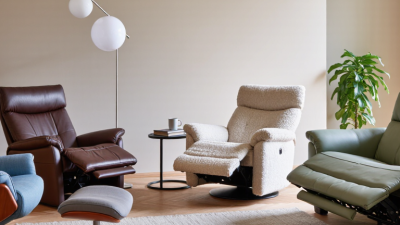
Measure the Room and Identify Placement Needs

Start with the room. Measure its length and width, then note door swings, windows, outlets, and heating vents. The National Association of Home Builders’ analysis of U.S. Census data puts the average new single-family home at 2,411 square feet in 2023, with a median of 2,286 square feet. Those figures describe entire homes, not living rooms; even a spacious home can have one awkward, narrow corner.

Measure the chair’s full width and depth, including arms and any reclining footrest. Mark that footprint on the floor with painter’s tape. Then walk from the doorway to the sofa, kitchen, or window as you normally would. A chair that fits on paper may still pinch the main route. Leave enough room to open nearby doors and reach lamps or outlets without twisting around furniture.

Try the taped layout for a day. Sit down, stand up, and check whether the chair blocks daylight or conversation. For a recliner, test its extended position before buying; the wall clearance can vary by design. A floor plan can still mislead. The tape test cannot capture how a chair feels beside a low window or a busy walkway.

Compare Chair Styles, Upholstery, and Frame Materials

A sofa chair should fit the way you actually use the room, not just the floor plan. A wingback gives the head and shoulders more support, while a low slipper chair leaves sightlines open in a compact space. Swivel chairs work well near windows or shared seating areas. Recliners need extra clearance behind or in front, depending on their mechanism. Measure the chair’s full footprint. A chair that looks neat in a showroom can crowd a narrow walkway at home.

Upholstery changes both comfort and upkeep. Linen feels cool and relaxed, but it can crease and show spills. Tightly woven polyester is often easier to clean, while leather develops a softer look over time and may feel cold at first. Ask for a fabric sample and check it in daylight beside your rug. Touch matters. I’d also consider who uses the chair: pets, children, and frequent meals can make delicate fabric a frustrating choice. Yet the most practical option may not feel inviting.

Frame materials affect stability and longevity. Hardwood frames are generally sturdy, while quality plywood can also perform well when joints are secure. Metal frames suit some modern designs, though their weight and finish may not suit every room. Check that the chair feels steady when you sit and shift your weight. A slight creak is worth investigating, not ignoring. A polished finish can hide a frame you have not examined closely.

How to Choose the Best Sofa Chair for Your Home

Compare chair styles, upholstery, and frame materials

Reading the chart: Moisture regain is the amount of moisture a fiber absorbs under standard conditions, expressed as a percentage of its dry weight. It is one property to consider when comparing upholstery—not a measure of stain resistance or drying time.

Choosing your chair: Match the chair style to your room and how you sit. Compare upholstery for feel, care needs, and durability, and assess the frame’s material and construction together; density alone does not determine frame strength.

Typical commercial moisture-regain values; actual values can vary. Reference: ASTM D1909 standard tables.

Evaluate Seat Comfort, Support, and Fit

A sofa chair can look generous in a showroom yet feel cramped at home. Check seat depth by sitting back: your feet should rest on the floor, with a small gap behind your knees. If the cushion pushes into your calves, the seat may be too deep. If your knees rise above your hips, it may be too low. Cushion softness matters, but support matters longer. A cushion that sinks quickly can make standing up harder.

CDC/NCHS Data Brief No. 360 reports mean adult heights of 175.4 cm for men and 161.7 cm for women in 2015–2018. Those averages are not fitting rules. Your body is the measurement that matters. Try the chair for several minutes, not just a quick showroom perch. Notice whether the back supports your lower spine and whether your shoulders can relax. A loose pillow can help, but it may slide away. That test is useful, not flawless; clothes, fatigue, and cushion compression can change how a chair feels. Check the seat height after the cushion has settled, and measure the chair’s footprint against the doorway and the space beside your table.

How to Choose the Best Sofa Chair for Your Home — Evaluate Seat Comfort, Support, and Fit
Use these measurements as practical starting points rather than fixed rules. Personal comfort, body proportions, and room layout should guide your final choice.
Dimension What to Check Practical Starting Point Why It Matters
Seat height Sit with your back against the chair and check whether your feet rest comfortably on the floor. About 17–19 in (43–48 cm) from floor to the uncompressed seat surface; adjust for your leg length. A suitable height can make sitting down and standing up easier and reduce pressure behind the thighs.
Seat depth Check the space between the front edge of the seat and the back cushion while seated. About 20–22 in (51–56 cm) is a common range. Leave a small gap between the seat edge and the backs of your knees. A seat that is too deep may make it harder to sit upright; one that is too shallow may feel less supportive.
Seat width Make sure there is enough room to sit naturally, including space for armrests and any preferred sitting position. About 20–24 in (51–61 cm) of usable seat width is a common starting range; compare it with your own measurements. Adequate width helps you sit comfortably without feeling squeezed by the arms.
Cushion feel and support Sit for several minutes. Notice whether the cushion feels too firm or too soft and whether you can get up without excessive effort. Choose a feel that supports your weight without bottoming out. Foam, fiber, and spring constructions can feel different and may need different upkeep. Comfort is personal, and cushion construction affects both the sitting feel and how the chair may need to be maintained.
Back and lumbar support Check that the back supports your preferred posture and that the lumbar area feels comfortable rather than forced. The back should suit your torso length and intended use. Try the chair in your usual sitting position, with or without a cushion. Back height and shape affect how your shoulders and lower back are supported.
Armrests Rest your arms naturally and check that the armrests do not push your shoulders upward or restrict entry and exit. Compare arm height with your seated elbow position and check the overall outside width of the chair. Comfortable arm support can make reading or relaxing easier, while bulky arms take up more room.
Overall size and room fit Measure the chair’s full width, depth, and height, then mark its footprint on the floor before buying. Allow practical walking space around the chair and ensure it does not block doors, windows, or other furniture. A chair can fit its intended spot yet still make the room difficult to move through.
Delivery access Measure doorways, hallways, stairs, and turns along the delivery route. Check whether the legs or other parts can be removed. Compare the narrowest access point with the chair’s delivery dimensions, not just its dimensions in use. Checking the route in advance helps avoid delivery problems caused by tight entrances or corners.
Upholstery and care Consider expected use, pets, children, sunlight, and the cleaning instructions for the material. Review the care label and fabric specifications; cleaning needs and wear resistance vary by material and finish. Choosing care requirements that fit your household can help keep the chair looking suitable for longer.

Check Durability, Care Requirements, and Cost

A sofa chair should feel sturdy before it looks stylish. Sit down and shift your weight gently. Listen for creaks, and check whether the frame wobbles. Look beneath the seat for solid joints and even support. Ask what the frame and suspension are made from; appearance alone cannot tell you how well they will hold up. Cushions matter, too. Dense foam often keeps its shape longer, while softer fills may need regular fluffing.

Care needs depend on your household. A tightly woven fabric may handle daily use better than a delicate one, but no upholstery is completely spill-proof. Check the cleaning instructions before buying. If you have pets or children, test a fabric sample with a damp cloth and inspect how easily it catches lint. Small detail. Still, a pale chair can show wear sooner than expected, and I might underestimate that when choosing a color.

Compare the full cost, not only the ticket price. Include delivery, assembly, and any recommended care products. A lower-cost chair may be sensible for a guest room, but frequent use calls for stronger construction and replaceable cushions. Consider how long you expect to keep it. Paying more is not automatically better; the useful choice is one that fits your budget, cleaning habits, and daily routine.

One compromise may remain: comfort is personal, so spend time sitting in the chair if you can.