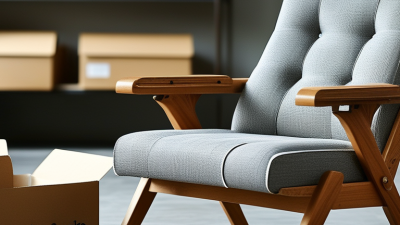
What Are the Top Couch Chair Types in 2026?

Choosing a couch chair in 2026 is less about chasing one fashionable shape and more about matching comfort to your room and routines. Some designs invite long reading sessions; others swivel toward conversation or recline after a tiring day. Small differences matter. A firm seat can feel supportive at first, yet uncomfortable during a movie. A deep cushion may look inviting but leave shorter users without proper back support.

This guide explores popular couch chair types, including accent chairs, swivel chairs, recliners, lounge chairs, and compact sleeper styles. It explains what distinguishes each option and where it may work best. Practical details count: measure doorways and floor space, check seat height and depth, and look closely at upholstery care instructions. A chair that fits a showroom display may overwhelm a narrow apartment. That happens.

There is no single best couch chair for every home. Personal comfort varies, and product labels do not always reveal how a chair will feel after an hour. Treat features such as adjustable backs, removable covers, and sturdy frames as useful starting points, not guarantees. The sections ahead offer a clear way to compare styles, weigh everyday needs, and make a more informed choice. A little doubt helps. Sit-test when possible, and trust how the chair supports your body—not just how it looks in a photograph.
What Are the Top Couch Chair Types in 2026?

How Couch Chairs Are Defined and Classified

A couch chair is a padded, upholstered seat intended for one person and designed to feel more lounge-friendly than a standard dining or desk chair. It often has a deep seat, supportive back, and arms, with proportions that visually suit a sofa. The term is not perfectly standardized. Some sellers use it for an accent armchair; others mean a chair-and-a-half with extra room.

Classification usually starts with size and function. A compact accent chair saves floor space and can add a firm seat beside a sofa. A chair-and-a-half offers more width for curling up, but needs enough clearance around its arms. Reclining versions add a footrest and moving back, while swivel or glider models introduce rotation or a smooth rocking motion. Check the seat width, depth, and height, not just the overall silhouette.

Construction and upholstery provide another useful way to compare types. A fixed frame tends to feel stable; a motion chair has more moving parts to inspect over time. Fabric can feel warm and textured, while leather-like surfaces are often easier to wipe clean, depending on the material. Sit for several minutes if possible. A chair that looks inviting may still push your knees forward or leave your lower back unsupported. Small details matter. An oversized seat can be cozy, but it may overwhelm a narrow room.
Which Couch Chair Types Stand Out in 2026?

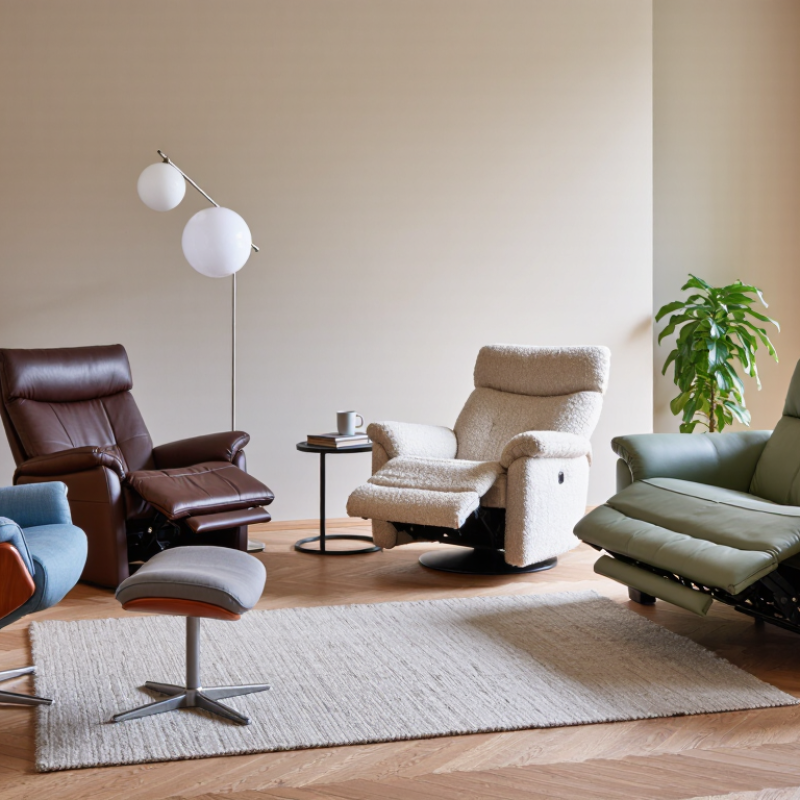
In 2026, couch chair styles stand out when they solve everyday problems without overwhelming a room. A compact swivel chair can turn from a sunny window toward guests without dragging across the rug. That flexibility works well in open living areas and tight reading corners. Check the base clearance, though. A wide pedestal may catch on thick carpet or sit awkwardly beside a low table.

Reclining chairs appeal to people who want a proper place to rest, not just a decorative seat. Look for a mechanism that opens smoothly and leaves enough space behind the chair. Wall-hugging designs can help in smaller rooms, but their comfort still depends on seat depth and lumbar support. A chair-and-a-half offers another useful middle ground: it feels generous for one person and can accommodate a child or pet. It may, however, crowd a narrow walkway. Measure twice.

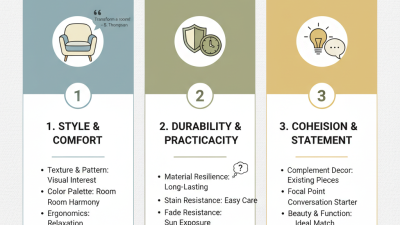
Upholstery and shape matter as much as the chair category. Textured fabric can soften a room, while leather-like surfaces are often easier to wipe clean after everyday spills. Test the seat if possible; photographs cannot show whether the cushion feels firm or quickly bottoms out. Comfort is personal. I would not choose a chair by appearance alone, even when its proportions look perfect online. A few minutes of sitting can reveal a deal-breaker.

How the Main Types Differ in Comfort and Function

In 2026, couch chairs range from compact accent seats to deep recliners and sleeper chairs. Each type serves a different need. An accent chair suits a small reading corner, but its upright back may feel firm during long movie nights. A recliner supports stretched-out lounging, though its footrest needs clear floor space. Swivel chairs make conversation easier in open rooms. They can feel less stable on thick rugs.

Sleeper chairs add a bed for overnight guests, but their narrow sleeping surface may not suit everyone. A cushioned lounge chair offers a relaxed posture without a moving mechanism. Check the seat depth: feet should rest comfortably, rather than dangle or press against the edge. Fabric, cushion density, and frame support also affect how a chair feels after daily use. A plush seat can feel inviting at first, yet sink too much over time. That trade-off is easy to miss.

Tips: Measure the chair and its recline path before buying. Sit in it for several minutes, if possible. Small detail. Notice whether the armrests support your elbows and whether the seat height makes standing easy. Comfort is personal, and measurements alone do not tell the whole story.

What Are the Top Couch Chair Types in 2026?

How the main types differ in comfort and function

Ratings are qualitative comparisons on a 1–5 scale, based on typical design characteristics—not standardized test results. Recliners and lounge chairs favor relaxed seating, while slipper chairs generally take up less floor space.

Which Couch Chair Fits Each Room and Lifestyle?

A compact apartment often benefits from an armless couch chair or a small swivel chair. Both leave more visible floor space, while a swivel base helps you turn between a window and the television. Measure the doorway and the chair’s full footprint before buying; a chair that fits the corner may still block a cabinet. Small detail, big difference. For a reading nook, look for a supportive back, steady armrests, and room for a floor lamp beside the seat. A deep lounge chair feels inviting, but it can make standing up harder for some people.

In a family room, a recliner offers relaxed support after a long day, though it needs clearance behind or in front, depending on its mechanism. Keep its footrest away from walkways. A sleeper chair can suit a guest room or studio, but check the unfolded length and mattress firmness rather than relying on photos. For a shared home office, a firm, upright couch chair may work for short sessions; it is not necessarily a substitute for an adjustable desk chair. Consider who will use it, how often, and whether pets or children will climb on it. Comfort is personal, and showroom softness can feel different after an hour at home. I would not choose by appearance alone.

What Are the Top Couch Chair Types in 2026? — Which Couch Chair Fits Each Room and Lifestyle?

Typical dimensions are approximate and vary by design. Measure doorways, walkways, and available floor space before choosing a chair.

Chair Type Typical Footprint (W × D) Best-Fit Rooms Comfort and Use Lifestyle Match Planning Considerations
Classic Accent Chair About 28–36 × 30–38 in Living rooms, bedrooms, home offices, and reading corners A versatile single seat, often with a relatively upright back and separate arms. Good for occasional seating, conversation areas, or adding a distinct seat beside a sofa. Check seat depth and back support if you plan to sit for long periods. Allow room to pull the chair away from a table or wall.
Club Chair About 30–40 × 32–40 in Living rooms, dens, libraries, and spacious bedrooms Typically has a broad seat, substantial arms, and a relaxed, supportive feel. A comfortable choice for reading, conversation, or longer periods of sitting. Its generous arms and deep seat can take up more room than a slim accent chair. Check that the seat depth suits the primary user.
Recliner Chair About 30–40 × 35–42 in upright; requires extra clearance when reclined Family rooms, media rooms, and personal relaxation spaces Supports a reclining position; models may use a manual lever or powered mechanism. Useful for people who prioritize relaxed lounging or want a chair with multiple resting positions. Verify the required wall clearance and fully extended length. Powered models need access to a suitable outlet and may need additional cable planning.
Swivel Chair About 28–38 × 30–38 in Open-plan living areas, conversation spaces, and compact reading nooks Turns to face different parts of a room without needing to move the chair base. Works well for flexible seating, social spaces, and rooms used for more than one activity. Leave enough clearance for the chair to rotate freely. A round or wide base may need more floor area than its seat suggests.
Sleeper Chair About 30–40 × 34–42 in as a chair; check the open bed dimensions Guest rooms, studios, and multipurpose offices Converts into a single sleeping surface, with the conversion method varying by model. Useful when occasional overnight guests need a place to sleep but a full-size guest bed will not fit. Measure the fully opened footprint and keep a clear route around it. Check the sleeping surface size and whether bedding can be stored nearby.
Armless Chair About 22–32 × 28–36 in Small living rooms, apartments, dining-adjacent areas, and modular seating groups Has a smaller overall width than many armchairs and can be easier to arrange alongside other seats. A practical option when space is limited or you want flexible seating arrangements. Without arms, some people may find it less supportive when sitting down or standing up. Consider the seat height and nearby surfaces.
Chaise Lounge About 28–36 × 55–70 in Large bedrooms, spacious living rooms, and sunrooms Provides an extended seat that supports a reclined, legs-out position. Best for relaxed lounging, reading, or stretching out in a dedicated corner. Its length needs more uninterrupted floor space than a standard chair. Confirm the orientation and which side the extended section is on.
Barrel Chair About 28–36 × 28–36 in Bedrooms, entry areas, compact living rooms, and reading corners Usually has a curved back that wraps partly around the seat; arm height and seat depth vary. A useful choice for a compact occasional seat or a cozy, defined seating spot. Curved sides can make the usable seat feel narrower than the outside width. Check seat width and back support in person when possible.

What Materials and Features Shape 2026 Designs?

In 2026, couch chairs balance compact comfort with materials made for daily use. A deep, rounded seat may suit a reading corner, while a firmer, upright shape works better near a desk. Upholstery changes the feel, too. Tightly woven polyester resists everyday scuffs; linen blends feel cooler but can wrinkle and show wear. Leather-like finishes wipe clean, though they may feel warm against bare skin.

Material choices matter beyond appearance. Textile Exchange’s Materials Market Report 2024 estimates that global fiber production reached 124 million tonnes in 2023, with polyester making up 57% of the total.

That scale makes fiber sourcing worth checking, not just color and texture. Recycled-content labels can help, but ask what percentage is recycled and whether the cover can be removed for cleaning. Foam density, sturdy corner joints, and replaceable cushions also affect how a chair holds up.

One caveat: “performance fabric” is not a universal durability grade, so look for test details. A showroom sample may not tell the whole story.

Tips: Rub a fabric swatch with a damp white cloth, then check for color transfer. Sit for several minutes. Small test, useful clue. Ask about cleaning instructions and cushion replacement before buying. Some details are easy to overlook.