How to Choose the Perfect Sofa and Chair for Your Home?

Choosing the right sofa and chair for your home is a significant decision. According to industry reports, the global furniture market is expected to reach over $600 billion by 2025. Sofas and chairs are central to this industry, influencing both comfort and aesthetics in your living space.

Key factors to consider include style, size, and material. A sofa and chair set can define a room's ambiance while providing crucial functionality. Experts suggest choosing pieces that reflect your lifestyle, which may not always align with current trends. Quality matters too; durable materials can enhance longevity and comfort.

It's essential to reflect on how your selections impact your daily life. Will the chosen sofa and chair foster relaxation or create chaos? Thoughtfully balancing beauty and practicality can be challenging. Yet, this process can lead to a more fulfilling living environment. The choices you make today will shape your home tomorrow.
How to Choose the Perfect Sofa and Chair for Your Home?

Identifying Your Style: Modern, Traditional, or Transitional Designs

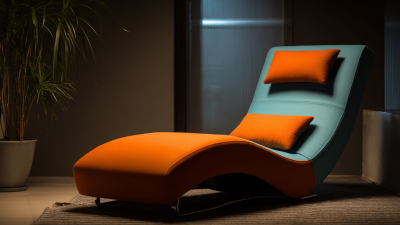
When selecting furniture for your living space, understanding your personal style is essential. You may lean towards modern, traditional, or transitional designs. Modern styles often feature sleek lines and minimal ornamentation. Neutral colors like gray, white, or beige dominate these pieces, creating a serene ambiance. A modern sofa might have a low profile, paired with simple accent chairs. This approach offers a clean, sophisticated look.

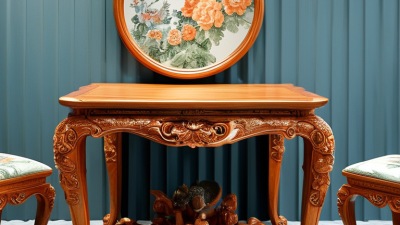
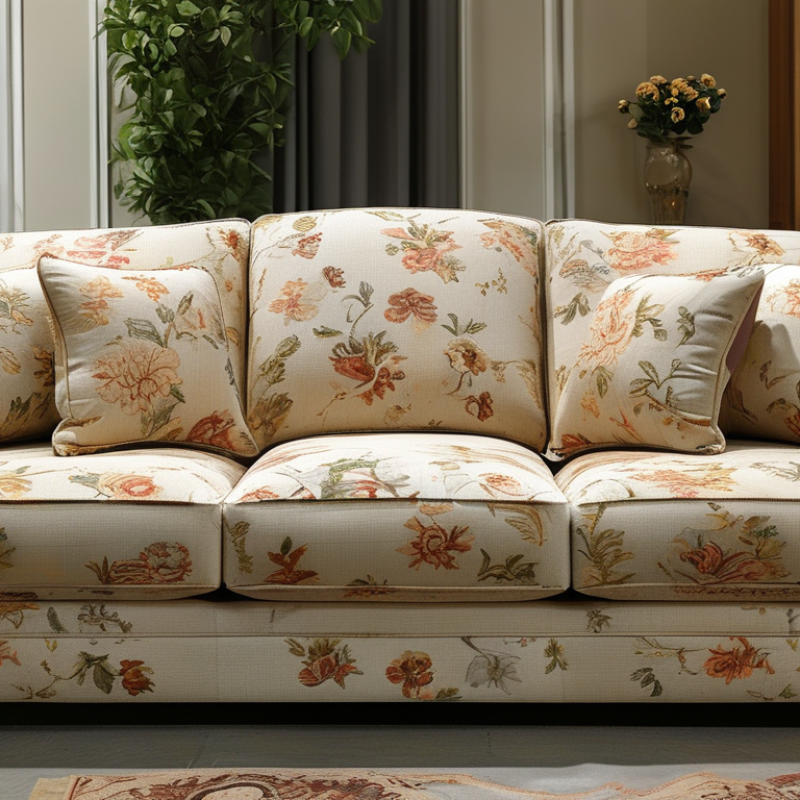
On the other hand, traditional designs embrace comfort and intricate details. Think classic shapes and rich wood finishes. Fabrics are often lush, with patterns that evoke nostalgia. A traditional sofa might include rolled arms and plush cushions. This style invites warmth and familiarity, often reflecting timeless elegance. It can be a perfect choice if you value history in your decor.

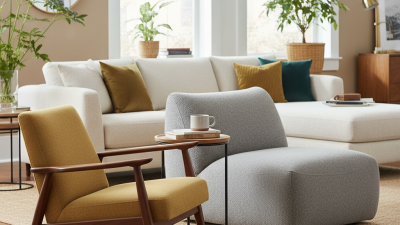
Transitional designs blend the old with the new. This style offers versatility, allowing for both comfort and trendiness. Sofas in this category might mix sturdy frames with soft, modern fabrics. They create a seamless flow between differing elements of your home. This balance can sometimes lead to decisions that feel overwhelming; are you prioritizing comfort over aesthetics? Identifying your style is a journey that may prompt you to rethink your choices and preferences.


Understanding Sofa Shapes: Sectionals, Sofas, and Loveseats Explained

Choosing the right sofa and chair can transform your living space. Understanding sofa shapes is crucial. Sectionals, sofas, and loveseats each have unique purposes. According to the American Home Furnishings Alliance, around 61% of U.S. homes utilize sectional sofas for their versatility.

Sectionals offer ample seating. They can be configured in various ways, fitting large spaces or cozy corners. They often include chaise lounges for added comfort. On the other hand, traditional sofas typically seat three people. They are great for smaller living areas. Loveseats are ideal for intimate settings, seating two comfortably.

Statistics show that 70% of buyers prioritize comfort over design when selecting seating. However, this doesn’t mean style should be overlooked. Some might find sectionals visually overwhelming in compact rooms. Balancing aesthetics and functionality is essential. Each shape brings comfort and style, but choosing the wrong one could lead to regret. So, consider the flow of your room and how you intend to use the space. Always measure before buying. Being informed will help you make a decision you won’t second guess later.

Choosing the Right Fabric: Durability, Comfort, and Maintenance Factors

Choosing the right fabric for your sofa and chair is crucial. A recent survey indicated that over 60% of consumers prioritize fabric durability when selecting upholstery. Natural fibers such as cotton and linen offer breathability but require more maintenance. On the other hand, synthetic fabrics, like polyester, provide stain resistance and are often more durable.

Comfort is another vital factor. A study revealed that individuals often replace furniture due to discomfort. The fabric’s texture can influence your overall sitting experience. Sofas and chairs covered in microfiber or leather can feel luxurious but may not be suitable for every climate, especially in hot and humid areas. It's essential to evaluate how the fabric reacts to temperature and usage.

On maintenance, some fabrics demand frequent cleaning, while others are more forgiving. For instance, velvet looks exquisite but can trap dust and pet hair easily. Consumers often overlook these aspects, leading to frustration over time. It’s valuable to consider both your lifestyle and your ability to maintain the fabric you choose. Balancing aesthetics, comfort, and practicality is key to achieving satisfaction with your selection.

Determining the Perfect Size: Measuring Your Space Accurately

When choosing furniture, accurate measurements are crucial. Understanding your space can prevent costly mistakes. According to a survey by the American Home Furnishings Alliance, 70% of homeowners regretted their furniture choices due to size issues. A well-measured area can enhance both aesthetics and functionality.

Start by assessing the dimensions of your room. Use a tape measure to find the length, width, and height of the space. Consider doorways and staircases too. A study from the Journal of Interior Design suggests that poorly sized furniture can make a room feel cramped or bare. Balance is everything. Measure the sofa and chair in advance; this ensures they fit well with other elements in the space.

Visualize the arrangement before buying. Create different layouts using masking tape on the floor. This hands-on approach helps clarify what works. Many people overlook their personal flow; avoid furniture that restricts movement. Surveys show that 45% of individuals don’t consider how they move through a space. Think about how the sofa and chair will be used daily. Do they encourage relaxation or social interaction? These reflections can guide you to make a more satisfying choice.

Complementing Your Decor: Color Schemes and Accessory Coordination

Choosing the right colors for your sofa and chairs can significantly enhance your home decor. According to a recent industry report, approximately 75% of interior designers believe that color coordination is crucial for creating a cohesive look. This suggests that selecting hues that complement your existing decor can make or break the overall aesthetic of a room.

Neutral tones like beige and gray are versatile and can anchor a room. However, infusing bold colors, such as teal or rust, can add a vibrant touch. Research indicates that vibrant colors can lift moods, with 60% of respondents in a survey feeling more energized in creatively colored spaces. Keep in mind that accessories like cushions and throws should echo these colors to tie the look together. Mixing patterns can also add depth, though it can be challenging. Aim for a balance that feels neither chaotic nor sterile.

Consider the textures and materials as well. A leather sofa paired with linen chairs can offer a nice contrast. However, seeking balance is essential. Too many textures might overwhelm the space. Observing real-life examples helps. Visiting showrooms can spark ideas, showing how different pieces interact. Making mistakes is part of the journey, as finding the perfect combination often requires trial and error.

How to Choose the Perfect Sofa and Chair for Your Home? - Complementing Your Decor: Color Schemes and Accessory Coordination

Furniture Type Color Scheme Material Style Complementary Accessories
Sofa Neutral Tones Leather Modern Throw Pillows, Area Rug
Chair Bold Color Fabric Scandinavian Accent Table, Wall Art
Sofa Pastel Colors Microfiber Contemporary Throw Blanket, Decorative Basket
Chair Earthy Tones Wood Rustic Cozy Blanket, Natural Elements