Discover the Best High End Furniture from China for Global Buyers?
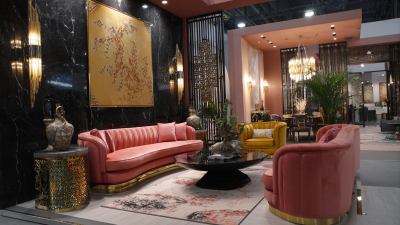
As the global demand for high end furniture rises, China has emerged as a major player in this market. Renowned designer Emily Chen states, "The essence of luxury lies in craftsmanship and innovation." This highlights the intricate artistry found in China's wealthy furniture design sector.
Chinese artisans blend modern design with traditional techniques. This blend creates unique pieces that cater to tastes around the world. Each item reflects a commitment to quality and aesthetics. However, the sheer variety can be overwhelming for buyers seeking the best.
Navigating this intricate landscape of high end furniture requires insight and expertise. Not every piece labeled as "luxury" meets the expectations of discerning customers. Buyers must take time to understand materials and craftsmanship. Quality should never be compromised in favor of trends.
The Rich Heritage of High-End Furniture Craftsmanship in China
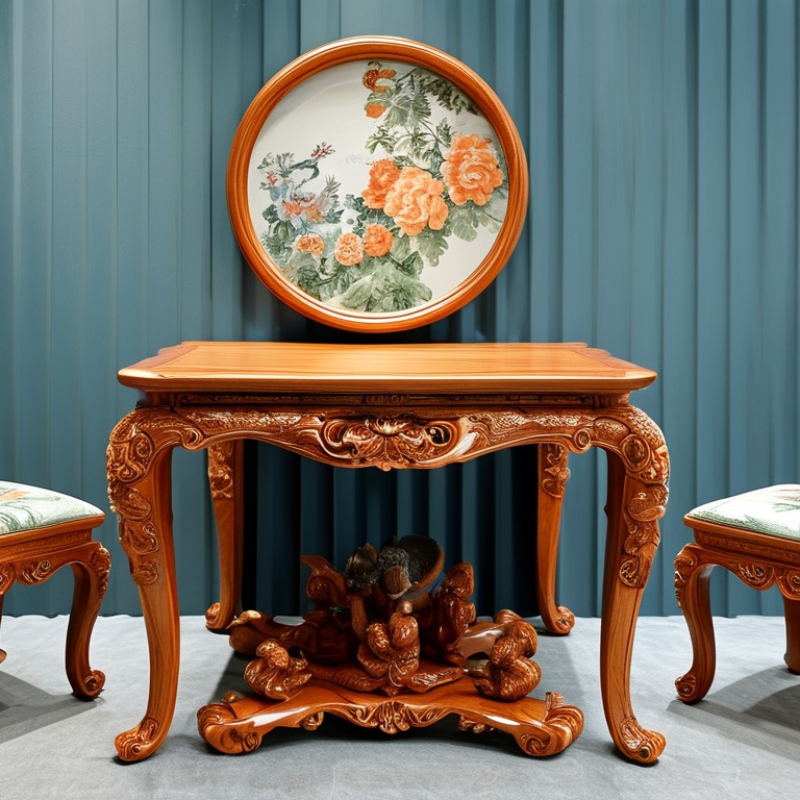
China’s high-end furniture craftsmanship is deeply intertwined with its rich heritage. Skilled artisans pass down techniques through generations. They blend traditional methods with contemporary designs. This fusion results in unique pieces that tell a story. Each item reflects the craftsmanship that has evolved over centuries. The use of quality materials like hardwoods enhances their durability and beauty.
However, not all pieces are perfect. Some may lack the finesse of modern manufacturing. Details might vary. This inconsistency can lead to a mixed customer experience. Buyers should be aware of these variations when selecting pieces. A deeper understanding of the craftsmanship can help appreciate the uniqueness of each item.
The embedded cultural significance in designs often goes unnoticed. Patterns can symbolize luck, prosperity, or heritage. A piece might resonate deeply for someone familiar with these meanings. Thus, purchasing high-end furniture from China is not just about aesthetics. It’s also about connecting to a rich legacy that speaks to both function and culture.
Discover the Best High End Furniture from China for Global Buyers - The Rich Heritage of High-End Furniture Craftsmanship in China
| Furniture Type |
Material |
Craftsmanship Techniques |
Estimated Price Range (USD) |
| Wooden Sofa |
Teak Wood |
Dovetail Jointing |
2,000 - 4,000 |
| Dining Table |
Rosewood |
Hand-Carving |
2,500 - 5,500 |
| Bed Frame |
Bamboo |
Lacquer Finish |
1,800 - 3,800 |
| Accent Chair |
Mahogany |
Upholstery with Silk |
1,200 - 2,500 |
| Coffee Table |
Walnut |
Inlay Work |
1,000 - 2,200 |
Key Characteristics of Luxury Furniture Made in China
Luxury furniture from China
embodies a blend of craftsmanship and contemporary design. This furniture often features exquisite materials, such as
solid wood and high-quality fabrics. The emphasis is placed on sustainability, ensuring
that resources are responsibly sourced. Attention to detail is paramount, with intricate carvings and finishes that reflect
a commitment to artistry.
When exploring high-end furniture, consider seeking pieces that resonate with your aesthetic. Look for unique textures
and finishes that can elevate your living space. Remember, not all luxury items meet the same standards. Always research
the manufacturer’s reputation and their adherence to quality control.
Tips for discerning buyers: Focus on the type of materials used. Look for certifications
that guarantee sustainable sourcing. Visit multiple showrooms to compare craftsmanship. Don’t rush—luxury should be about
personal connection. However, be aware that some pieces may not hold their value over time. Balancing style with practicality
is essential in your search for the perfect item.
Top Chinese Cities Renowned for High-End Furniture Production
When exploring high-end furniture production in China, several cities stand out for their craftsmanship and innovation. Cities such as Shenzhen, Guangzhou, and Dongguan are known for producing exquisite pieces that appeal to global markets. According to the China National Furniture Association, the luxury furniture market in China has seen a growth rate of over 10% annually. This data highlights the increasing demand for top-quality furniture that blends traditional techniques with modern aesthetics.
Shenzhen is marked by its emphasis on technology and design. The city encourages many small to medium-sized enterprises to experiment with unique concepts. This creative environment nurtures innovation, although it can sometimes lead to inconsistencies in quality. In contrast, Dongguan has a long history of furniture manufacturing. It provides a reliable production network that focuses on high-quality materials and craftsmanship. However, challenges remain in maintaining sustainability within production practices.
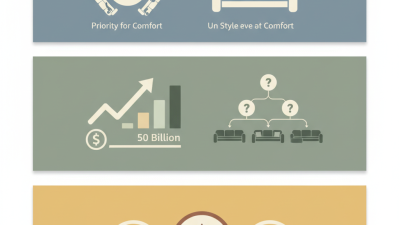
Guangzhou is another city benefiting from its rich history in furniture making. It is a hub for exhibitions, attracting buyers worldwide. Research indicates that over 50% of high-end furniture exports come from this region. Yet, competition is fierce, and not all manufacturers maintain consistent quality. Global buyers must navigate this complexity while seeking the best products. A strategic approach is needed, as discerning quality among numerous options can be daunting but rewarding.
Sourcing and Importing High-End Furniture from China: A Guide
Sourcing high-end furniture from China can be a rewarding experience for global buyers. The country's rich craftsmanship and diverse design styles cater to various tastes. Buyers must consider several factors while navigating this market. Quality should be the primary focus. Inspecting materials, finishes, and craftsmanship is essential. Look for well-established manufacturers who can provide detailed product descriptions and high-quality images.
Understanding the import process is crucial. Engage with reliable shipping partners to ensure your items reach you safely. Be aware that customs regulations may vary, so research is necessary. Communication is key. Clear dialogue with suppliers can clarify expectations and reduce misunderstandings. Be prepared for delays; the manufacturing process can sometimes take longer than anticipated.
Additionally, local market conditions can affect pricing and availability. Stay informed about trends and shifts in preferences. Participating in trade shows can help build valuable connections. However, be wary of potential pitfalls, such as falling for low-quality imitations. Not every deal is worth pursuing; some may seem appealing but lack value. Always reflect on your purchases and reassess your sourcing strategies periodically.
High-End Furniture Global Sourcing - Revenue by Category (2023)
Trends and Innovations in Chinese Luxury Furniture Design
Chinese luxury furniture design is evolving rapidly, embracing both tradition and modern innovation. Designers draw inspiration from ancient craftsmanship while incorporating cutting-edge technology. This fusion results in unique pieces that resonate with sophistication and quality. Intricate hand-carvings meet minimalist lines, creating conversations around every item.
Sustainability has become a crucial aspect of high-end furniture production in China. Brands are increasingly using eco-friendly materials, like reclaimed wood and natural fibers. This shift reflects a growing awareness of environmental impact. It challenges producers to balance luxury and sustainability, often leading to trial and error in sourcing practices.
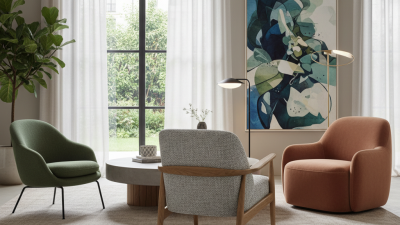
Color palettes are shifting, with bold hues making a statement. Deep emeralds and rich burgundies dominate recent collections. These colors add warmth and depth to contemporary spaces. However, this trend may not suit every aesthetic. As tastes vary, some buyers struggle to find pieces that reflect their personal style.
Designers continue to push boundaries, often experimenting with mixed media. This approach creates dynamic, unexpected pieces. Yet, innovation can sometimes lead to overly complex designs. Balancing creativity and functionality remains a challenge. The journey of Chinese luxury furniture reflects a rich tapestry of culture, evolution, and forward-thinking in design.