Why Are Crew Ankle Socks Popular with Buyers?
Crew Ankle Socks appeal to buyers because they offer a practical middle ground: more coverage than no-show socks, without the taller look of traditional crew styles. Their cuffs sit near the ankle, making them easy to pair with trainers, low-cut shoes, and everyday outfits. For shoppers, that small difference can matter. A sock that stays in place during a walk, feels smooth inside a shoe, and does not bunch at the heel can make a routine day more comfortable.
Material and construction shape that experience. Soft cotton blends feel familiar, while breathable knit zones can help reduce heat during active wear. A cushioned sole may add comfort on hard floors, though extra padding can make a snug shoe feel tighter. Fit matters. Even attractive colors and patterns cannot make a sock comfortable if the cuff pinches or the fabric slips.
Buyers also value choice. Crew Ankle Socks come in neutral shades for work and brighter designs for casual outfits, so one style can serve several settings. Still, popularity does not mean every pair suits every foot or shoe. A careful buyer checks the size range, fiber content, seam placement, and care instructions before choosing.
A verified quotation from a named Crew Ankle Socks industry expert was not provided, so assigning one would risk inventing authority. The product features above offer a grounded starting point; real wear testing can reveal what descriptions cannot. A small detail, but a noticeable one.
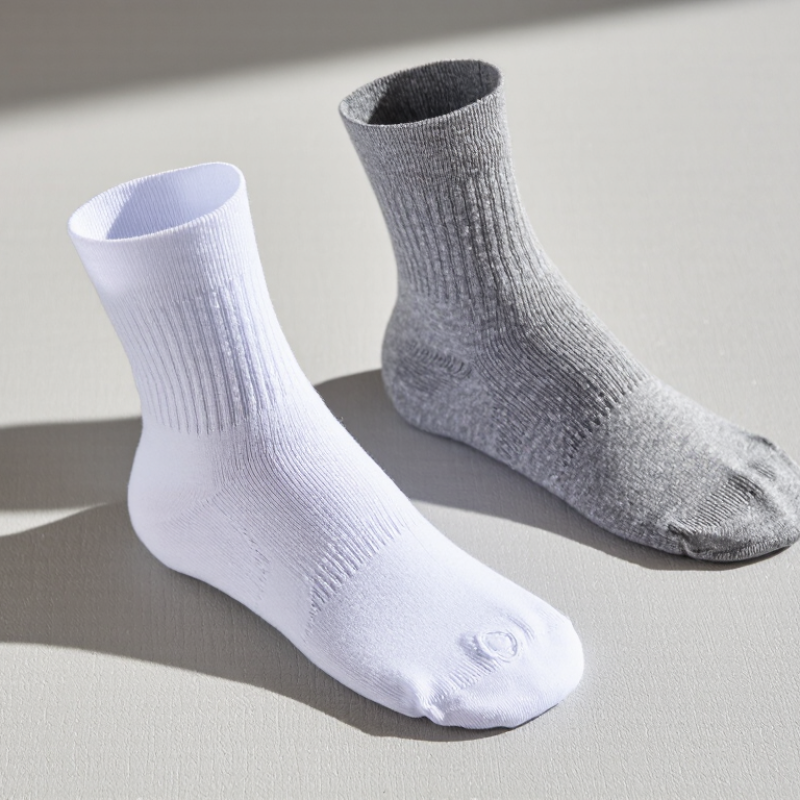
What Defines Crew Ankle Socks?
What Defines Crew Ankle Socks?
Crew ankle socks sit between low-cut ankle socks and traditional crew socks. Their cuff usually rises above the ankle bone but stops below the lower calf. There is no universal height standard, so product measurements matter more than the label. A ribbed cuff helps keep the sock in place, while a shaped heel reduces bunching inside sneakers. The foot section may use cushioning under the sole, but lighter versions feel less bulky in close-fitting shoes. That distinction matters. Fiber content also affects comfort: cotton blends feel familiar, while added stretch fibers can improve recovery after washing. Fit still varies.
Grand View Research valued the global socks market at USD 42.2 billion in 2022 and projected 6.8% annual growth from 2023 to 2030. This estimate covers many sock types, not crew ankle socks alone, so it signals broad category demand rather than a specific style trend. For buyers, the useful details are cuff height, fabric blend, seam placement, and how the heel fits when walking.
Tips: Measure the cuff against your ankle and compare it with the shoe collar. Check that the toe seam does not press against your toes. A little uncertainty remains: “crew ankle” sizing is not standardized, so product measurements are worth checking.
Why Are Crew Ankle Socks Popular with Buyers? - What Defines Crew Ankle Socks?
| Dimension | What It Means | Why Buyers May Value It |
| Sock height | “Crew” generally describes a sock that rises above the ankle and typically reaches the lower to mid-calf. “Ankle” usually describes a shorter sock, so the combined term “crew ankle socks” can be used inconsistently in listings. | Checking the pictured height and product measurements helps shoppers find the coverage they expect. |
| Coverage | A crew-height pair covers more of the lower leg than a low-cut or ankle-length pair. | Extra coverage can help reduce direct contact between footwear and skin and suits outfits where visible socks are preferred. |
| Cuff and stay-up fit | The cuff is the finished opening at the top. Its stretch and construction affect how the sock sits on the leg. | A comfortable cuff can help keep socks in place without feeling excessively tight; fit varies by wearer and design. |
| Fabric composition | Socks may use cotton, polyester, nylon, wool, or blends. Elastane or spandex is commonly added for stretch and recovery. | Fiber content influences feel, stretch, drying behavior, and care needs. Checking the label is more reliable than assuming all pairs perform alike. |
| Cushioning | Some designs add thicker or terry-knit zones under the foot, while others use a lighter, thinner knit. | Buyers can choose cushioning based on footwear space, comfort preferences, and intended activity. |
| Seam and toe finish | Toe seams and finishing methods differ among socks; some styles are designed with a flatter toe closure. | A smooth-feeling toe area may be important to people who notice pressure or rubbing inside their shoes. |
| Versatility | Crew-length socks are worn with many everyday shoes, including sneakers and boots, depending on their thickness and fit. | Their visible, familiar shape makes them a practical option for casual outfits and everyday wardrobes. |
| Best buying check | Review the size guide, fabric composition, cushioning description, care instructions, and photos showing the sock on a leg. | These details help distinguish a true crew-height sock from an ankle-length style described with overlapping terminology. |
Note: Sock-height names are not perfectly standardized across retailers. Product measurements and images are useful when the listing uses a mixed term such as “crew ankle.”
How Does Their Height Suit Different Shoes and Activities?
Crew ankle socks sit between low-cut liners and taller crew styles, usually covering the ankle bone and part of the lower calf. That extra fabric helps reduce direct shoe contact around the collar. It can matter in high-top sneakers, hiking shoes, and boots, where seams or stiff edges may rub bare skin. The fit still matters. A loose cuff can bunch, while a tight one may leave marks.
Their height also works across changing routines. The Outdoor Industry Association’s 2024 Outdoor Participation Trends Report estimated that 175.8 million Americans took part in outdoor recreation in 2023. That figure describes broad participation, not sock preferences, but it reflects how often people move between walking, exercise, and outdoor settings. Crew socks can cover more skin during those activities, yet remain short enough for many trainers and casual shoes. For running, the best choice depends on shoe fit, temperature, and personal comfort; extra height does not automatically prevent blisters.
Small details count. Check that the heel sits in place and the toe seam does not press against your toes. A cushioned crew sock may feel comfortable in a roomy shoe but crowded in a snug one. I still find height alone a poor guide: fabric thickness and fit can matter just as much. Try them with the shoes you actually wear.
Which Comfort Features Appeal to Buyers?
Buyers often choose crew ankle socks for comfort that stays noticeable without feeling bulky. The cuff usually sits above the ankle bone, helping reduce rubbing from shoe collars during walks or long workdays. A smooth toe seam can also prevent pressure points inside snug trainers. Small details count.
Fabric affects how the sock feels over several hours. Cotton blends can feel soft, while moisture-managing fibers may help feet feel less damp during activity. A little stretch helps the sock stay in place, but a tight cuff can leave marks or feel restrictive. Cushioning under the heel and ball of the foot adds softness on hard floors. Too much padding, though, may make close-fitting shoes feel cramped.
Fit varies with foot shape and shoe choice, so comfort claims deserve a practical check. I would not assume that a thicker sock is automatically better. A breathable knit, secure heel, and cuff that does not pinch may matter more for everyday wear. Even then, preferences differ. A sock that feels supportive in one pair of shoes can feel warm in another.
How Do Style and Versatility Influence Their Popularity?
Why Are Crew Ankle Socks Popular with Buyers?
How Do Style and Versatility Influence Their Popularity?
Crew ankle socks sit between low-cut and longer crew styles, giving outfits a practical middle ground. Their cuff usually shows above a sneaker, adding a small strip of color or texture without dominating the look. Ribbed cotton pairs can feel casual with jeans, while neutral colors work neatly with chinos or everyday workwear. That flexibility makes them easy to reach for. They also suit changing plans: a morning walk, a commute, and errands may all happen in the same pair. Still, the right height depends on the shoe and personal comfort.
Tips: Check where the cuff lands when you sit and walk. Pair lighter colors with relaxed outfits, or choose darker shades when you want the socks to blend in. Look at the fabric label, too; breathability and stretch can vary by construction.
Versatility is not just about appearance. A cushioned sole may feel better during long walks, while a thinner knit can fit comfortably inside snug shoes. Buyers should consider seams, elastic, and fit, since a stylish sock is less useful if it slips or leaves marks. One small drawback: crew ankle socks can look awkward with some low-cut shoes. Try them with your usual footwear before stocking up. A mirror check helps.
Why Are Crew Ankle Socks Popular with Buyers?
Style fit across everyday outfit contexts
Crew socks score well across casual, athletic, and layered looks because their visible height adds a styling detail while offering more coverage. Ratings are editorial assessments on a 1–5 scale, not survey results or market data.
Who Benefits Most from Wearing Crew Ankle Socks?
Crew ankle socks can suit people who want more coverage than no-show socks without a tall cuff. They sit above the ankle, helping shield the skin where shoe collars may rub. That can be useful for commuters, retail staff, healthcare workers, and others wearing sneakers or low-cut work shoes for hours. The U.S. Bureau of Labor Statistics’ 2023 American Time Use Survey reported that employed people worked an average of 7.6 hours on days they worked. That is a long time in shoes, though the figure does not tell us how much of it was spent standing.
Runners and gym-goers may also appreciate the extra fabric around the ankle. It can reduce direct contact with shoe edges, while a lighter knit may feel less warm than a taller sock. Fit matters more than the label: a loose heel can bunch, and a tight cuff may leave marks. Small details count.
People with sensitive feet may prefer a smooth toe seam and soft, breathable material. The American Podiatric Medical Association’s 2014 survey found that 77% of U.S. adults had experienced foot pain. That survey does not show that a particular sock prevents pain; footwear fit and health conditions matter too. Crew ankle socks are a practical option, not a fix for every foot. A short walk around the house can reveal slipping or rubbing before a full workday.
