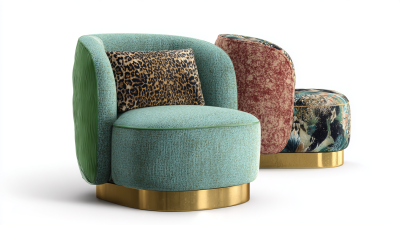
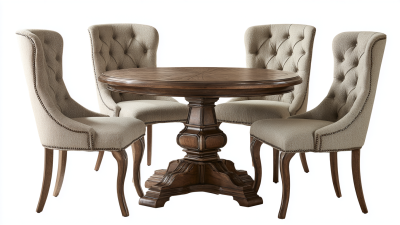
The appeal of unique, handcrafted furniture has gained significant traction in recent years, as consumers increasingly seek to personalize their living spaces. According to a report by Allied Market Research, the global custom furniture market is projected to reach $38.6 billion by 2026, growing at a compound annual growth rate (CAGR) of 4.4%. This shift highlights a rising recognition of the value offered by local furniture makers, who provide not only distinct designs but also craftsmanship that resonates with personal stories and ecological consciousness.
Embracing local craftsmanship not only supports community economies but also contributes to sustainable manufacturing practices. The American Craft Council reports that handmade furniture often utilizes sustainable materials and methods, appealing to environmentally conscious consumers. As people look to decorate their homes with items that reflect their individuality, local furniture makers stand out as crucial players in the design landscape. Their unique offerings help to cultivate a sense of authenticity and connection that mass-produced furniture simply cannot replicate.
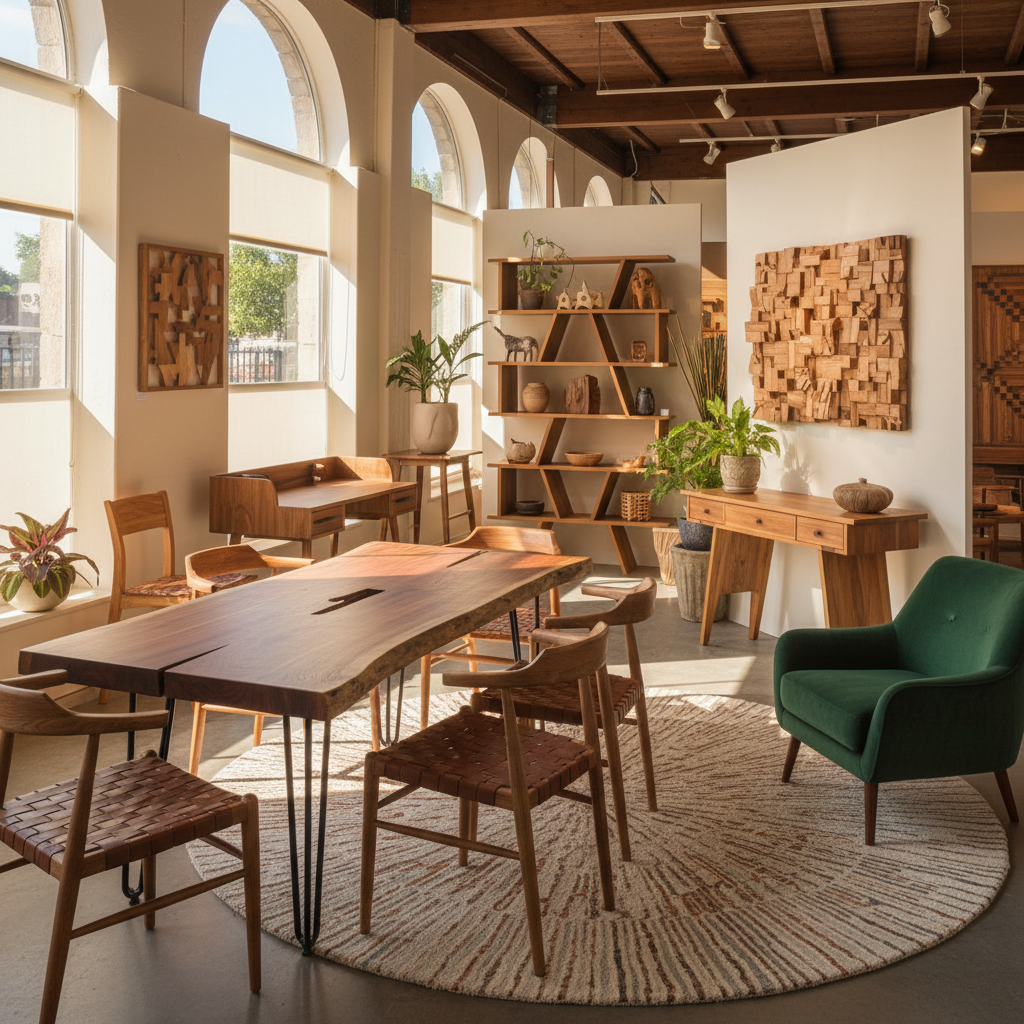
This article explores the top 10 local furniture makers you should know about, each bringing a distinctive flair to the world of interior design.
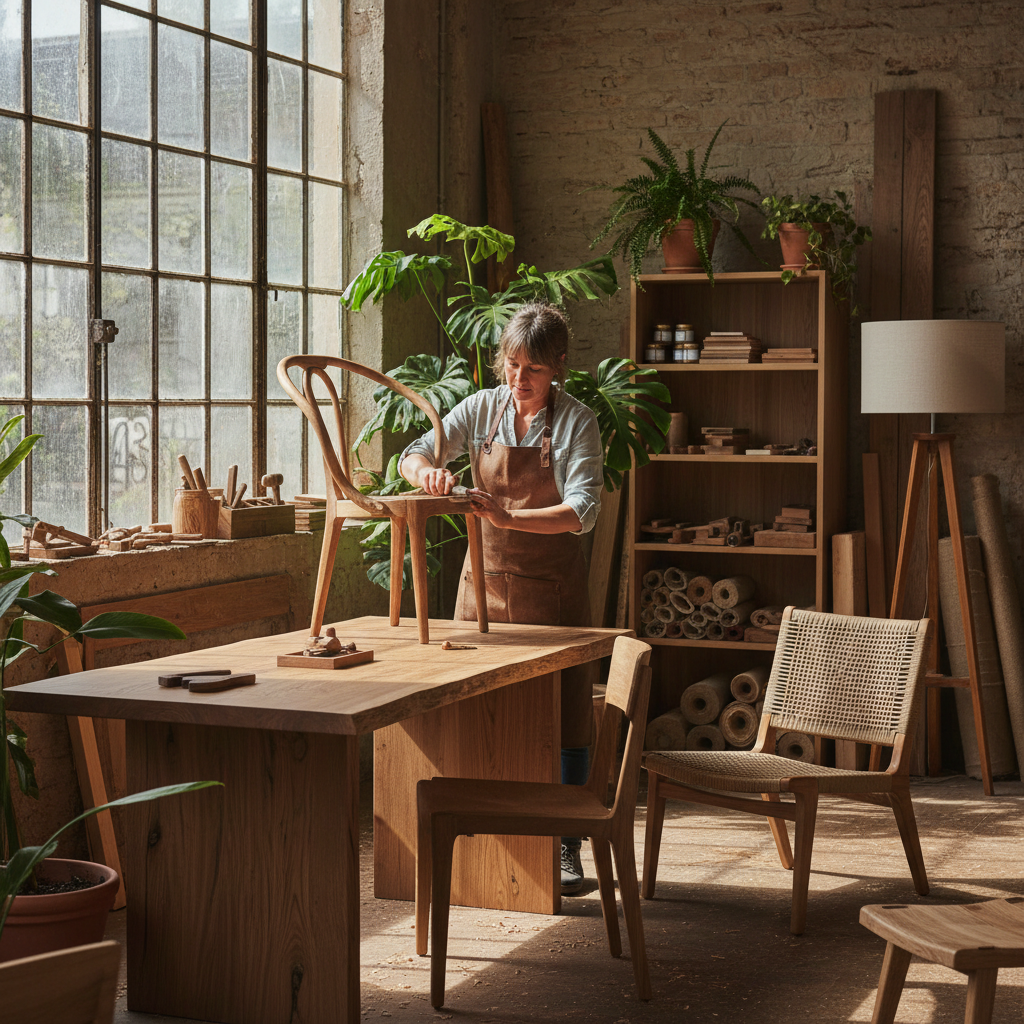
In the realm of furniture design, local craftsmanship offers a distinct allure that enhances the aesthetic of any home. The resurgence of interest in handmade and custom furniture pieces has led to a newfound appreciation for skilled artisans who pour their creativity and passion into each design. These local furniture makers often utilize sustainable materials and traditional techniques, creating unique pieces that reflect the culture and story of their surroundings. As consumers become more aware of the environmental impact of mass-produced goods, the demand for personalized and locally made furniture is on the rise.
One of the most notable trends in the furniture industry is the increasing popularity of traditional craftsmanship, particularly with materials like hardwoods. This is evident in sectors such as the redwood furniture market, which has gained momentum due to its unique characteristics and artisanal appeal. When you invest in furniture from local makers, you not only acquire a one-of-a-kind creation but also support sustainable practices and the rich traditions of craftsmanship that have been passed down through generations. This blend of artistry and authenticity is what sets local furniture creators apart, ensuring that each piece is not just a functional item, but a true work of art.
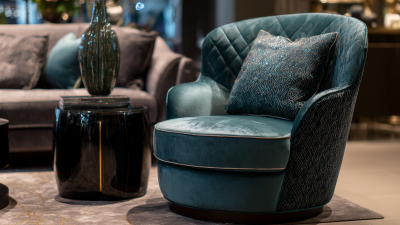
In today's market, where mass production often overshadows individuality, local furniture makers stand out by embracing sustainable practices that not only focus on unique designs but also prioritize eco-friendliness. These artisans take pride in sourcing materials locally, reducing their carbon footprint while supporting their communities. By utilizing reclaimed wood and non-toxic finishes, they create stunning pieces that reflect both creativity and environmental responsibility.
Furthermore, many of these makers implement innovative manufacturing techniques that minimize waste. For example, through careful planning and design, they optimize the use of each material, ensuring that every off-cut is repurposed or recycled. This commitment to sustainability not only enhances the aesthetic value of their work but also resonates with consumers who are increasingly looking for furniture that tells a story and aligns with their values. As we explore the top local furniture makers, it becomes clear that their eco-friendly practices are shaping the future of furniture design, making each piece a testament to craftsmanship and ecological mindfulness.
| Maker Location | Specialty | Materials Used | Eco Practices | Website |
|---|---|---|---|---|
| New York, NY | Modern Minimalist | Reclaimed Wood | Solar Energy | Visit |
| Austin, TX | Rustic Farmhouse | Bamboo, Recycled Metal | Waste Reduction | Visit |
| Portland, OR | Handcrafted Artisan | Local Hardwoods | Eco-Friendly Finishes | Visit |
| Chicago, IL | Mid-Century Modern | Certified FSC Wood | Recycling Wood Scraps | Visit |
| Los Angeles, CA | Sleek Urban Designs | Recycled Plastics | Water Conservation | Visit |
| Seattle, WA | Arts & Crafts Style | Sustainable Timber | Community Engagement | Visit |
| Miami, FL | Contemporary Tropical | Reclaimed Teak | Energy Efficient Tools | Visit |
| Philadelphia, PA | Colonial Revival | Local Sourced Wood | Community Sourcing | Visit |
| San Francisco, CA | Eco-Conscious Designs | Reclaimed Materials | Carbon Footprint Reduction | Visit |
| Denver, CO | Nature-Inspired | Natural Finishes | Local Partnerships | Visit |
As consumers increasingly seek unique and personalized products, the furniture industry is witnessing a significant shift towards customization. According to a report by the Custom Furniture Market Research Group, the global market for custom-made furniture is projected to grow at a CAGR of 7.5% from 2022 to 2028. This growing demand highlights a shift from mass-produced furnishings to unique pieces crafted by local artisans who can tailor designs to individual preferences.
Local furniture makers are stepping up to meet this trend by offering diverse customization options, from selecting materials and finishes to creating bespoke dimensions that perfectly fit a customer’s space. Notably, a survey from the American Home Furnishings Alliance found that 67% of consumers are willing to pay more for personalized products, which underscores the importance of local artisans in this evolving market. By collaborating closely with customers, these craftsmen not only provide unique designs but also connect with their community, fostering a sense of ownership and personal touch in each piece. This trend is emblematic of a broader movement encouraging consumers to invest in high-quality, locally crafted furniture that reflects their individuality and style.
Local heritage plays a pivotal role in shaping furniture design, imbuing each piece with history and cultural significance. Craftsmen often draw inspiration from traditional motifs and techniques that reflect the region's unique character. For example, in communities with a strong indigenous presence, artisans may incorporate symbols and materials rooted in their ancestral practices. This not only preserves these time-honored traditions but also fosters a sense of identity among local residents.
Furthermore, the geographical landscape and available resources influence furniture styles and construction methods. In coastal areas, you might find a prevalence of driftwood furniture, reflecting the surroundings and local lifestyle. Meanwhile, urban designers often blend modern aesthetics with historical elements, creating unique hybrids that celebrate the past while appealing to contemporary tastes. This synthesis of old and new not only enhances the functionality of the furniture but also creates a narrative that resonates with both local inhabitants and visitors alike, reminding us of the rich tapestry of culture that informs design.
When exploring unique furniture designs, local makers are at the forefront, offering craftsmanship and creativity that distinguish their products from mass-produced options. To discover these talented artisans, one of the best avenues is visiting regional markets where local craftsmen often showcase their work. These markets not only present the opportunity to purchase distinctive pieces but also allow buyers to interact with the makers, gaining insight into their processes and inspirations.
In addition to traditional market settings, online platforms have become essential resources for finding local furniture makers. Websites dedicated to artisan goods facilitate a broader reach for these creators, making their unique designs accessible to a wider audience. By leveraging these platforms, customers can explore a diverse array of styles and materials, all while supporting local economies and sustainable practices. Whether browsing bustling markets or online venues, consumers today can find a wealth of options that cater to their desire for unique, handmade furniture.