Top 10 Linen Rompers for Women to Buy in 2026?
Shopping for a linen romper in 2026 means balancing comfort, fit, and everyday practicality. A promising style should feel light on warm days, move easily through the hips, and stay comfortable when you sit or walk. Our guide to the Top 10 Linen Rompers for Women compares details that matter beyond a polished product photo.
We look at fabric composition, sizing information, closures, pockets, and care instructions. Pure linen can feel airy and develop soft creases; linen blends may feel smoother, but their texture and breathability vary. Small details count. A waist tie can adjust the shape, while a short inseam or stiff button may affect comfort. No single cut works for everyone.
This roundup is designed to help Linen Romper Women shoppers compare options with clearer expectations. Product descriptions and available specifications can indicate what a garment offers, but they cannot guarantee how it will fit your body. That part is personal. Check the size chart, review the return policy, and consider how you plan to wear the piece—over a swimsuit, with flat sandals, or layered beneath a light jacket. We also note where a style may suit one use better than another. Some picks prioritize relaxed coverage; others lean toward a tailored look. The trade-off is real. Linen wrinkles, sizing can differ between brands, and online photos may not show every detail clearly. Use this list as a practical starting point, not a promise of a perfect fit.
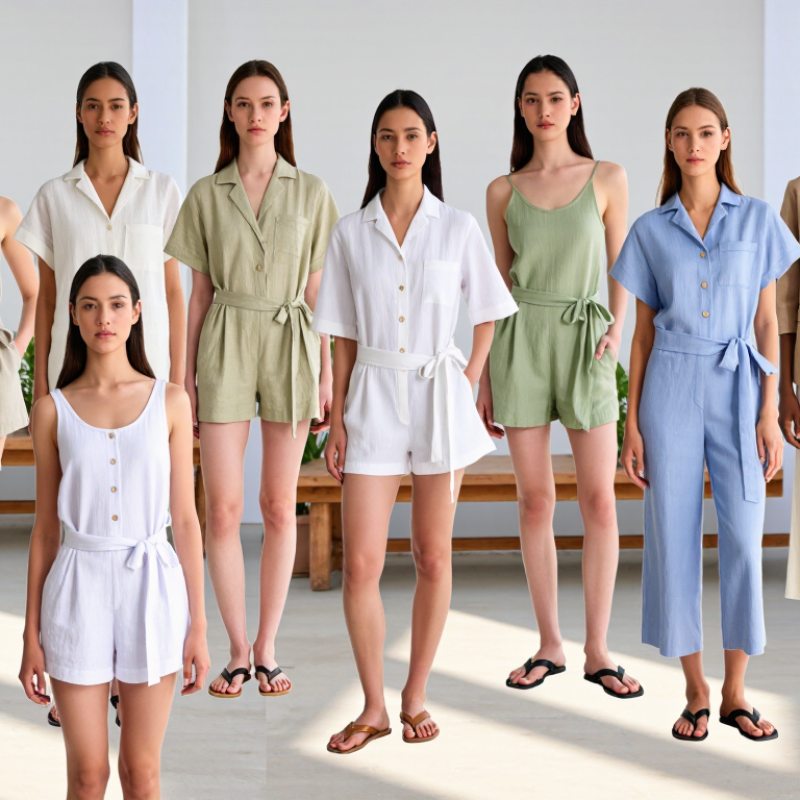
Linen Rompers for Women: Materials, Styles, and Key Features
Linen rompers can feel airy on warm days, but the fabric’s weight matters. Lightweight linen drapes softly and dries quickly, though it may show more wrinkles. A denser weave can offer better coverage and structure. Check the garment in daylight if possible; pale fabric may be less opaque than it appears indoors. Pure linen has a crisp, textured hand, while linen-cotton blends often feel softer and crease less. Neither choice is perfect.
Style affects comfort as much as material. A relaxed, wide-leg cut allows easier movement, while a defined waist can create a neater shape. Look for adjustable straps, a flexible waistband, and enough room through the seat. Small details matter. Pockets should sit flat, and buttons or zippers should not press when you sit. If you are between sizes, compare garment measurements with a romper you already find comfortable.
For everyday wear, consider linen weight, seam finish, and care instructions before choosing a color or print. A lining can improve coverage, but it may also make a warm-weather romper feel heavier. Linen wrinkles naturally; that is part of its character, though it can look rumpled faster than expected. Wash gently according to the label, and avoid high heat when drying. Inspect the inseam and closures, too, since those areas take regular strain.
How to Evaluate Fit, Fabric Quality, Comfort, and Price
A good linen romper should let you sit, reach, and climb stairs without pulling across the hips. Check the rise, shoulder seams, and thigh openings while moving; a fitting-room mirror can hide strain. Linen softens with washing, but it does not magically loosen everywhere. If the waist already feels tight, sizing up may leave the shoulders loose.
Fabric labels deserve a close look. Textile Exchange’s Materials Market Report 2024 estimates global fiber production reached 124 million tonnes in 2023, a vast market where “linen” claims can be easy to overlook. Check whether the garment is 100% linen or a blend, and inspect seams, buttonholes, and fabric density against daylight. A sheer, scratchy sample may feel worse after a warm afternoon. I still find that “breathable” can be an overused promise.
Comfort depends on details: adjustable straps, pockets that lie flat, and closures you can manage while seated. For price, estimate cost per wear rather than judging the tag alone. WRAP’s Valuing Our Clothes report found that extending a garment’s active life by nine months could cut its carbon, water, and waste footprints by about 20–30%; that estimate covers clothing generally, not rompers specifically. A sturdy seam and washable-care label may matter more than a lower price. But care instructions are easy to misread.
The Top 10 Linen Rompers for Women to Consider in 2026
The top 10 linen rompers for women to consider in 2026 should offer more than a breezy look. Check the fabric label, seam quality, and room through the hips before choosing. Linen can crease during a long car ride. That is part of its character, though some blends feel smoother and need less pressing.
A sleeveless tailored romper suits warm afternoons and layers easily under a light shirt. A tie-waist style lets you adjust the fit after lunch. A button-front design feels practical for changing, while a wide-leg cut adds airflow and movement. Prefer shorter hems? Consider a relaxed short-leg romper. For cooler evenings, a long-sleeve option offers more coverage. A wrap-front cut can define the waist, but check that it stays secure when you bend.
Utility pockets are useful, but heavy pocket bags may pull on lightweight fabric. A drop-shoulder silhouette gives a softer, roomier fit. A lined romper can feel more substantial; inspect the lining for comfort in heat. That makes ten distinct styles to compare. Try sitting, reaching, and taking a few steps in your choice. Small details matter. Also check care instructions: some linen garments may shrink if washed or dried too warmly, so avoid assuming every piece can go straight into a hot cycle.
How the Top 10 Compare by Style, Occasion, and Practicality
The ten best linen rompers differ less by trend than by fit and use. A sleeveless, belted cut suits warm commutes; a roomy short-leg style works better for travel and relaxed weekends. For dinners, check whether the neckline stays secure when you sit. Small detail. Textile Exchange’s 2024 Materials Market Report estimates global fiber production reached 124 million tonnes in 2023. Linen is a small part of that market, so fiber labels deserve a close look: some garments blend linen with other fibers, changing feel, drape, and care needs.
Practicality often comes down to the details. Deep pockets can hold a phone, while a long zipper or adjustable waist makes bathroom breaks less awkward. Check for lining, too; pale fabric may show pockets or undergarments in bright sunlight. Not effortless. A crisp, tailored romper may look polished but wrinkle after a long car ride. A loose shape hides creases better, though it can feel bulky under a jacket. The European Confederation of Flax and Hemp’s industry guidance describes flax as a naturally moisture-absorbing fiber; that does not guarantee every romper feels cool, since weave, fit, and lining also matter. Compare care labels and seam finishing before choosing, especially if the garment is meant for frequent wear.
Top 10 Linen Romper Styles for Women in 2026
A style, occasion, and practicality comparison
Scores are illustrative editorial ratings on a 1–5 scale, based on typical design features—not measured product-test results or a ranking of specific products. “Practicality” considers features such as adjustability, coverage, and ease of wear; actual comfort and performance vary by garment and wearer.
How to Choose and Care for a Linen Romper
A good linen romper should feel comfortable when you sit, reach, and take a full step—not only when standing in a fitting room. Check the fiber label: pure linen tends to crease readily, while blends may feel smoother but behave differently in heat. Look for secure seams, practical pockets, and enough room through the hips. Hold lighter colors near a window; some fabrics become more transparent in bright sunlight. A little rumpling is normal, though a poor fit is not.
Tips: Follow the garment’s care label, since dyes, blends, and trims can change the safest wash method. For washable linen, use a gentle cycle and mild detergent; avoid overloading the machine, which can leave creases packed into the fabric. WRAP’s 2012 Valuing Our Clothes report estimated that extending clothing use by nine months could cut its carbon, water, and waste footprints by 20–30%. That estimate covers clothing overall, not linen rompers specifically, but it supports careful upkeep over premature replacement.
Air-dry the romper on a hanger or flat surface, smoothing the legs and neckline while damp. If ironing helps, use the fabric-care instructions and work while the linen is slightly moist. I would not chase a perfectly crisp finish every time; repeated heat and fussing can wear fabric, and a softly creased look is part of linen’s character.
