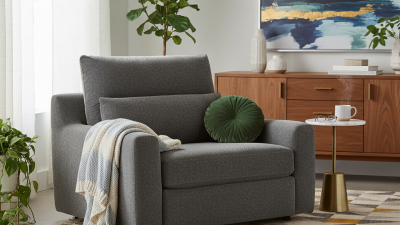
In today's dynamic market, understanding trends in wood furniture is essential for global buyers. Expert Ruth L. Jensen, a renowned furniture designer, emphasizes, "Wood furniture is more than just aesthetics; it reflects culture and sustainable practices." This statement captures the essence of why staying updated is crucial.
Wood furniture trends evolve rapidly, influenced by design innovations and environmental considerations. Buyers must recognize shifts in preferences towards sustainable sourcing and contemporary styles. The growth of urban living spaces has sparked interest in multifunctional wood pieces that combine utility with elegance.
Yet, challenges persist. Not all wood furniture adheres to sustainability standards. Buyers must assess materials and manufacturing processes. As the industry embraces creativity, some trends may overlook quality for style. A deep understanding of these shifts helps ensure informed decisions in the ever-changing landscape of wood furniture.
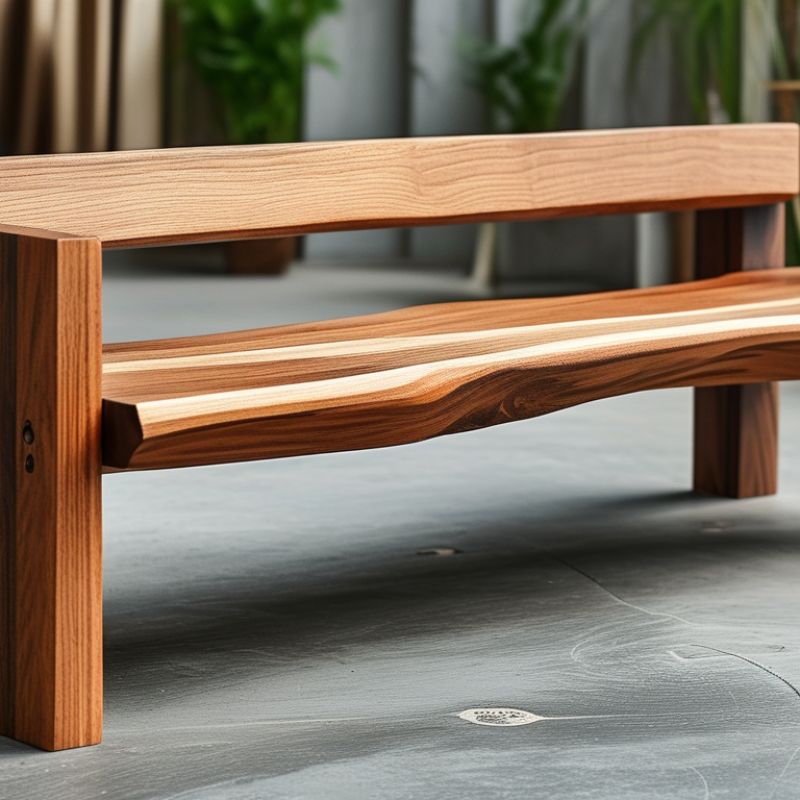
Sustainable wood materials play a crucial role in modern furniture design. Environmental concerns drive furniture makers to seek eco-friendly solutions. According to a 2022 report by the Sustainable Furniture Council, demand for sustainable wood has risen by nearly 30% since 2020.
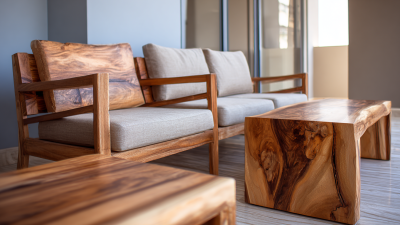
Reclaimed wood is gaining traction in furniture design. It uses salvaged material, reducing waste and preserving forests. Many craftsmen embrace its unique character. The natural weathering of reclaimed wood creates beautiful, one-of-a-kind pieces. This trend encourages consumers to appreciate imperfection in finishes and colors.
Bamboo is another favored choice. Its rapid growth makes it a renewable resource. The World Bamboo Organization states bamboo can grow up to 3 feet a day. It’s strong yet lightweight. This material lends itself well to sleek, modern designs. However, sourcing bamboo sustainably requires diligence. Unsustainable harvesting can damage ecosystems and communities. Buyers must remain cautious and informed.
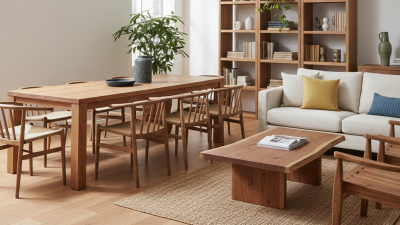
Innovative finishing techniques are reshaping the aesthetics of wood furniture. Traditional methods like staining and varnishing continue to evolve, allowing for unique textures and effects. Growing interest in organic finishes, such as plant-based oils, highlights today's eco-conscious approach. These trends not only enhance visual appeal but also reduce environmental impact.
Techniques like hand-rubbing and layering enable artisans to create depth in wood grain. This process can add a tactile element seldom found in mass-produced items. Consumers crave individuality, pushing manufacturers to explore unusual combinations of finishes. However, some techniques may not hold up well over time, requiring owners to reflect on their choices.
Moreover, new trends in matte and distressed finishes challenge the perfection often associated with fine furniture. These looks bring a certain charm but can be polarizing. What feels timeless to one may appear flawed to another. Experimenting with these finishes invites a conversation about aesthetics, durability, and personal taste.
Urban living spaces are becoming increasingly compact. As city populations grow, the demand for multi-functional furniture rises. Wooden furniture, with its durability and aesthetic appeal, fits perfectly into this trend. People seek pieces that serve multiple purposes without sacrificing style.
Consider a wooden coffee table that transforms into a dining table. It saves space while adding warmth to a room. A bookshelf that doubles as a workspace allows for practicality in tight areas. These pieces show creativity and adaptability in design. However, functionality should not overshadow comfort. It’s essential to ensure that these innovations do not compromise a cozy living environment.
This trend also invites reflection on our consumption habits. Are we prioritizing aesthetics over genuine utility? Wooden furniture can blend style with function, but balance is key. Designers must focus on creating pieces that enhance livability. Thoughtful design will ensure that urban dwellers can express their style while enjoying the full potential of their spaces.
| Trend | Description | Benefits | Popularity Rate (%) |
|---|---|---|---|
| Multi-Functional Designs | Furniture that serves multiple purposes, such as beds with storage. | Maximizes space and adds utility. | 85 |
| Sustainable Materials | Focus on recycled or responsibly sourced wood. | Environmental benefits and consumer appeal. | 75 |
| Natural Finishes | Use of oils and waxes rather than synthetic finishes. | Enhances wood's natural beauty and texture. | 70 |
| Minimalist Style | Simple, clean lines without excessive ornamentation. | Promotes a clean and organized living space. | 80 |
| Vintage Fusion | Mixing modern and vintage wood furniture elements. | Creates unique, personalized aesthetics. | 65 |
| Compact Solutions | Space-saving furniture for small living areas. | Ideal for urban environments. | 78 |
| Bold Colors | Use of vibrant finishes on wooden surfaces. | Adds personality and contrasts with neutral decor. | 60 |
| Outdoor-Indoor Living | Designs that can transition from indoors to outdoor spaces. | Enhances versatility and outdoor enjoyment. | 72 |
| Tech-Integrated Furniture | Furniture with built-in charging stations and smart technology. | Meets modern technological needs. | 68 |
| Artisanal Craftsmanship | Handcrafted furniture that emphasizes traditional techniques. | Supports local artisans and adds uniqueness. | 66 |
The global demand for eco-friendly and locally sourced wood furniture is surging. According to recent reports, 78% of consumers prioritize sustainability in their purchasing decisions. This trend is driven by a growing awareness of environmental issues and the impact of deforestation. People are seeking furniture made from responsibly harvested materials, which helps minimize their carbon footprints.
Local sourcing is also gaining traction. It reduces transportation emissions and supports local economies. A report from the Forest Stewardship Council highlights that consumers are increasingly willing to pay a premium for locally sourced wood. The appeal lies not only in environmental benefits but also in the unique character of locally-crafted pieces. Handmade furniture showcases regional styles and craftsmanship, making each item special.
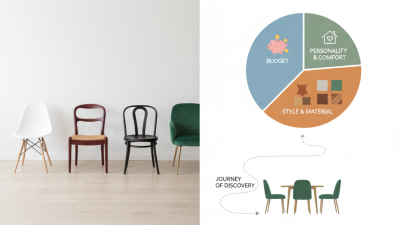
However, many consumers are unaware of how to verify the sustainability of wood products. Transparency in sourcing and production processes remains a challenge. Not all certifications are created equal, which can lead to confusion. Buyers must do their research to ensure they are making responsible choices. The journey toward sustainable furniture should be informed but can often feel overwhelming.
The wood furniture industry is rapidly evolving due to technological advances in production and supply chains. Innovations like computer-aided design and automated machinery are enhancing the precision of manufacturing. A study from the International Wood Products Association estimates that these technologies can increase production efficiency by up to 30%. This shift allows for more intricate designs and reduces waste in materials, benefitting both manufacturers and the environment.
Sustainability is another focus as buyers demand eco-friendly products. Blockchain technology is increasingly used to track the origins of wood. This transparency reassures consumers about sustainable sourcing. According to a report by the Forest Stewardship Council, about 64% of buyers prioritize certified sustainable wood. However, challenges remain, as many suppliers struggle to stay compliant with these standards.
Supply chain management has also transformed. Sophisticated logistics software assists in forecasting demand and managing inventory. A recent survey indicated that 77% of furniture manufacturers are investing in smart logistics solutions. Despite these advancements, unexpected disruptions, such as shipping delays, still pose significant risks. The industry must continuously adapt and innovate to keep pace with these challenges.