China Top 10 Decorative Plush Toys Manufacturers for Buyers

China’s plush-toy sector offers buyers a wide range of styles, materials, and production options. Decorative Plush Toys now serve more than one purpose: they may decorate a bedroom shelf, support a seasonal display, or become a personalized gift. That range makes supplier selection more nuanced than comparing product photos. A soft finish matters. So do stitching consistency, filling density, color matching, and packaging details.

Grand View Research estimated the global toys market at USD 108.7 billion in 2023 and projected a 4.5% compound annual growth rate from 2024 to 2030. This broad market estimate is useful context, but it does not measure decorative plush products alone. Buyers should avoid treating it as a direct forecast for one niche. The report does, however, show why product differentiation and dependable production deserve attention. Small flaws can be obvious: a crooked embroidered eye or uneven seam may change how a finished toy looks on display.

This guide introduces ten Chinese manufacturers for buyers to compare. It considers product range, customization, communication, production capabilities, and evidence of quality controls. A polished catalog is only a starting point. Request current samples, clear specifications, and realistic production timelines before making a decision. Rankings can vary by buyer needs, and no supplier is ideal for every order. That part is easy to overlook.
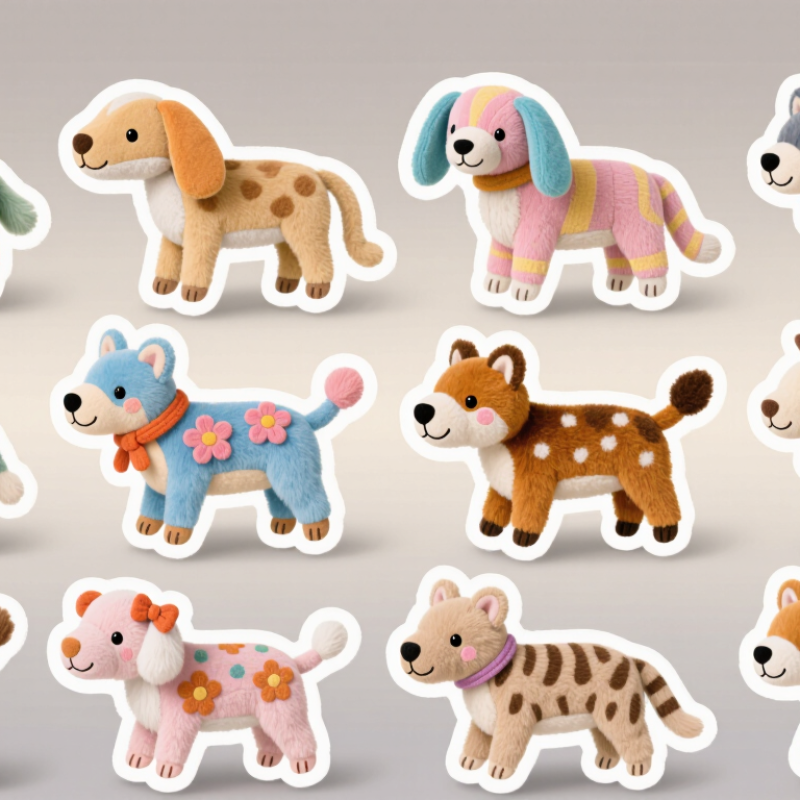
China Top 10 Decorative Plush Toys Manufacturers for Buyers

What Decorative Plush Toys Are and How They Are Used

Decorative plush toys are soft textile figures designed to bring warmth, color, or personality to a space. Unlike toys intended for frequent active play, they are often chosen for their appearance, texture, and fit with a room’s style. They might sit on a shelf, lean against cushions, or hang from a nursery hook. Small details matter.

Common settings include bedrooms, reading corners, offices, cafés, and seasonal displays. A muted plush animal can soften a wooden desk, while a brightly colored character can add contrast to a plain sofa. In shops or reception areas, these pieces may make displays feel more welcoming. Keep them clear of walkways and clean them regularly, since fabric can gather dust. Placement changes everything.

For buyers, useful checks include fabric feel, stitching, shape retention, and cleaning instructions. Ask how the colors appear under indoor lighting and whether decorative details are securely attached. These are practical questions, not glamorous ones. Yet they can prevent disappointment. A plush piece may look perfect in a product photo but feel oversized beside real furniture. Measuring the shelf or chair first is a small step worth keeping. No single style suits every room.

How Decorative Plush Toys Are Designed and Manufactured

Designing decorative plush toys starts with a clear purpose: a shelf accent, a seasonal display, or a soft gift. Designers sketch the silhouette, then choose fabric, color, and surface details. A small plush cactus, for example, may need a stable base and stitched ribs that remain visible from a distance. Small details matter. The first sketch rarely solves every problem.

A sample maker turns the drawing into a pattern and assembles a prototype. The team checks its proportions, seams, filling, and ability to sit upright. Short-pile fabric can show embroidery clearly, while longer pile may soften small features. During production, fabric pieces are cut, sewn, filled, and closed by hand or machine. Each stage needs inspection; uneven stuffing can distort a face or make the toy lean. Not every sketch works. That is worth reviewing before bulk production.

Tips: Ask for a physical sample before approving quantities. Check colors in natural light, feel the seams, and test whether the toy holds its shape. Keep written notes on revisions. A “cute” design can still be awkward to display.

China Top 10 Decorative Plush Toys Manufacturers for Buyers - How Decorative Plush Toys Are Designed and Manufactured

This table is a buyer-focused overview of ten common capabilities and production stages used in decorative plush manufacturing. It is not a ranking of named companies; actual equipment, materials, lead times, and compliance scope vary by supplier and product.

No. Capability or Stage How It Works Typical Materials or Methods What Buyers Should Verify
1 Product Brief and Design The design is translated into a specification covering appearance, dimensions, intended use, colors, and construction details. Reference images, dimensioned drawings, color references, and material specifications. Confirm the intended market, target age if applicable, finished size, and any required product labeling.
2 Pattern Development Design shapes are divided into fabric panels and converted into patterns that account for seams, turning, and stuffing. Paper or digital patterns; seam allowances and panel markings defined in the production specification. Request a pattern or sample review for proportions, symmetry, and consistency with the approved design.
3 Fabric and Trim Selection Outer fabric and decorative components are selected according to appearance, hand feel, durability, and intended use. Common options include polyester plush fabrics, woven fabrics, thread, ribbons, and embroidered details. Approve material samples and check color, pile direction, hand feel, and the suitability of trims for the product’s intended use.
4 Fabric Cutting Fabric panels are cut to the approved pattern, with attention to alignment and fabric direction. Manual cutting or cutting equipment, depending on the factory setup and order requirements. Ask how fabric defects, panel orientation, and cutting accuracy are checked during production.
5 Embroidery and Decoration Facial features, text, or surface motifs may be added before assembly when the design and construction allow it. Machine embroidery, sewn-on fabric appliqués, and other specified surface details. Check the approved artwork, placement, stitch quality, and attachment method. Small parts may require additional safety review.
6 Sewing and Assembly Cut panels are joined in a defined sequence, leaving an opening for turning and filling where needed. Sewing thread, machine stitching, and specified seam construction. Review seam strength, stitch consistency, panel alignment, and whether the construction matches the approved sample.
7 Turning and Stuffing The sewn shell is turned right-side out and filled to achieve the intended shape and firmness. Polyester fiber fill is commonly used; the filling material and amount should be specified for each product. Check for even shape and filling distribution, and confirm that filling and other components meet the applicable product requirements.
8 Closing and Finishing The filling opening is closed, and the item is shaped and checked for visible construction issues. Closing stitches, trimming of loose threads, and surface grooming where appropriate. Inspect closure security, loose threads, visible marks, and overall appearance against the approved reference sample.
9 Quality and Safety Checks Checks can cover appearance, dimensions, construction, and product-specific safety or chemical requirements. Inspection plans and testing selected according to destination market, intended use, and product classification. Agree on inspection criteria in advance. For products regulated as toys, confirm applicable requirements, such as relevant parts of EN 71 or ASTM F963, with qualified testing resources.
10 Packaging and Shipment Preparation Finished items are packed to protect them in transit and labeled according to the agreed order and market requirements. Poly bags, cartons, inserts, and product labels as specified for the order. Confirm packaging dimensions, carton quantities, labeling artwork, shipping marks, and any destination-specific packaging rules.

How to Evaluate China’s Decorative Plush Toy Manufacturers

Evaluating China’s decorative plush toy manufacturers starts with a production-matched sample, not a polished catalog. Check the pile direction, embroidery density, seam allowance, and filling recovery after squeezing. Ask the factory to document fabric and filling specifications, sample revisions, and inspection steps. Small details matter. A cushion-shaped plush may look attractive on screen but feel lumpy after packing.

Market figures help explain why quality and differentiation deserve attention. Circana’s 2023 Global Toy Industry report put worldwide toy sales at about $108.7 billion, down 7% from 2022. Grand View Research estimated the global stuffed and plush toys market at $11.2 billion in 2023, with continued growth projected through 2030. These figures cover broad categories, not decorative plush alone. That distinction matters. Use them as context, not a demand forecast for one product.

During supplier assessment, compare sample results with the proposed bulk process. Request records for incoming fabric checks, seam-strength tests, colorfastness testing, and final inspections. Confirm who owns corrective actions when a batch fails, and ask to see a recent anonymized inspection report. A factory visit can reveal crowded worktables or inconsistent stitching that a video call misses. Still, an audit is only a snapshot. I would also verify a small trial order before committing to a larger run.

Profiles of 10 Decorative Plush Toy Manufacturers in China

China’s decorative plush toy sector includes suppliers with different strengths. A useful profile starts with the product, not a sales claim. One manufacturer may specialize in miniature shelf ornaments; another makes large, soft floor accents. Others focus on seasonal characters, custom shapes, embroidered details, recycled-fiber fills, premium fabrics, small trial runs, bulk production, gift-ready packaging, or sample development. These are sourcing profiles, not a ranking of named companies.

When reviewing a supplier, ask to see close-up photos of seams, facial stitching, and fabric edges. Request a sample made with the materials intended for production. Check whether the same workshop can reproduce the sample’s size, color, and stuffing density. Small differences matter. A plush ornament that looks full in a photo may sit unevenly on a shelf. Production capacity also needs context: a large quoted output does not guarantee consistent finishing.

Tips: Compare written specifications, sample quality, and communication response time. Ask how changes are recorded after approval. Keep notes on loose threads, uneven embroidery, or fabric shade differences. One imperfect sample is useful evidence, not an automatic rejection; the supplier’s response may reveal more than the defect itself.

How Buyers Can Compare Suppliers and Manage Orders

When comparing China-based decorative plush suppliers, buyers should look beyond the quoted unit price. Request a sample made from the proposed fabric, filling, embroidery, and accessories. Then compare its measurements, seam strength, color, and hand feel against the approved reference. Small differences matter: a slightly loose eye or uneven pile can change the finished look. Ask each supplier to itemize sampling fees, minimum order quantity, production time, packaging, and inspection costs. Keep these details in one comparison sheet. It is easy to miss a cost hidden in a brief quotation. Circana’s 2023 global toy-market reporting found sales fell 7% across 12 tracked markets, a reminder that demand forecasts can shift. Buyers can use that context to discuss staged orders, but should confirm whether a supplier can support smaller repeat runs.

Set written checkpoints for sample approval, material confirmation, pre-shipment inspection, and dispatch. Name the person responsible for each update. The World Bank’s 2023 Logistics Performance Index evaluates 139 economies across customs, infrastructure, shipment quality, logistics competence, tracking, and timeliness. Use these dimensions to assess the route and freight plan, not as a substitute for checking factory performance. Ask for dated production photos and a realistic buffer before seasonal deadlines. Record defects by type and quantity, then agree on a remedy before mass production begins. I would still leave room for judgment: photos cannot show every texture issue, and a perfect sample does not guarantee a perfect batch. Review the first production run carefully.

How to use this chart: These illustrative, buyer-defined weights show one way to prioritize supplier comparison criteria; they are not industry survey results or ratings of specific manufacturers. Adjust the weights to match your product, order size, and sourcing requirements.