7 Tips for Choosing Bathroom Hardware Sets?

Choosing Bathroom Hardware Sets can seem like a small design decision. In practice, the right set affects daily comfort, safety, and visual balance. A towel bar beside the shower should be easy to reach. A robe hook needs enough clearance from the door. Even a toilet paper holder can feel awkward when placed too far forward.

This guide shares seven practical tips for selecting hardware that suits your bathroom. It considers material quality, mounting strength, finish, spacing, style, maintenance, and long-term value. Stainless steel may resist moisture better than cheaper alloys. A brushed finish can also hide fingerprints and water spots near busy sinks. However, appearance alone is not enough. Check the product specifications, installation method, weight capacity, and warranty before buying.

Small details matter.

Real bathroom installations often reveal problems that showroom photos hide. A beautiful towel ring may loosen on hollow drywall. A dark finish may show mineral marks in hard-water areas. I have also seen matching sets create visual clutter when every wall holds an accessory. That is an easy mistake to make. Consider how your household actually uses the room, not only how the set looks online. Reliable choices balance tested performance, practical placement, and personal style. With careful measurements and honest evaluation, these seven tips can help you choose hardware that remains useful long after the renovation feels new.
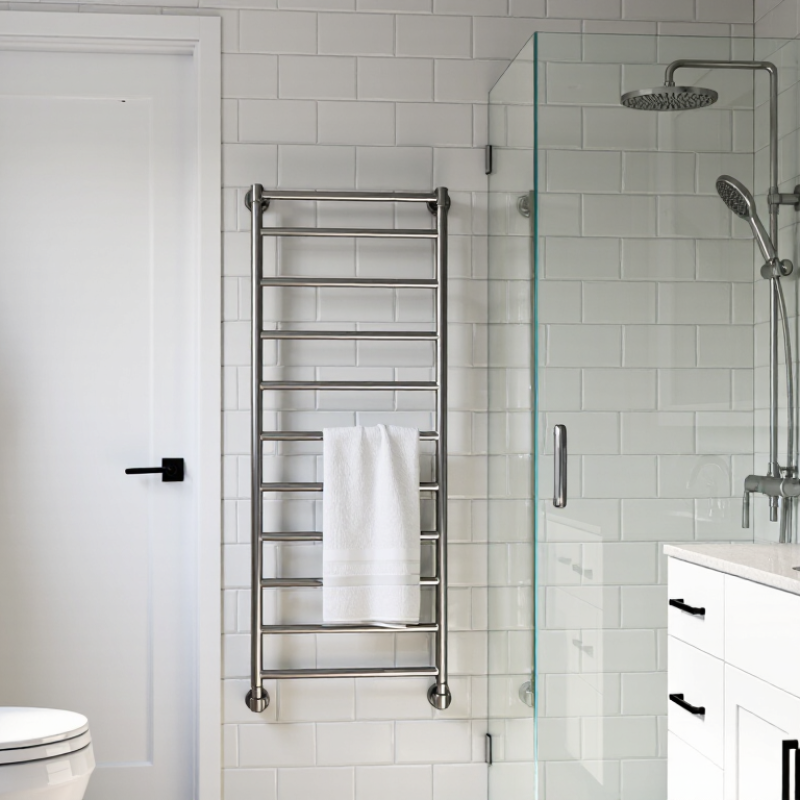
7 Tips for Choosing Bathroom Hardware Sets?

Define Your Bathroom Hardware Needs and Daily Usage

Choosing Bathroom Hardware starts with your routine, not the room’s appearance. Count who uses the space each day. A busy family bathroom may need two towel bars, several hooks, and a firmly mounted toilet paper holder. A guest bathroom may need less. Watch your habits for one week. Notice where wet towels land, where bottles collect, and which items feel difficult to reach.

Measure before selecting any set. Leave enough clearance around the sink, shower door, and toilet. A towel bar placed too close to the shower can keep towels damp. Hooks near the entrance may work better for robes and clothing. Keep frequently used items within comfortable reach. Small details matter. Children may need lower hooks. Older users may prefer stronger supports and easier access.

Choose materials that suit moisture, cleaning habits, and mounting surfaces. Stainless steel, coated metal, and solid brass can perform well when properly finished. Check the fixing method, especially on tile or drywall. Adhesive mounting seems simple, but it may fail under heavy, wet towels. I once placed a hook beside a shower because it looked convenient. It collected water every day. The location was wrong, not the hardware. Also inspect edges and joints. Sharp corners, loose screws, and difficult-to-clean gaps can become daily annoyances. A practical set should feel secure, remain easy to clean, and support the way your household actually lives.

7 Tips for Choosing Bathroom Hardware Sets? - Define Your Bathroom Hardware Needs and Daily Usage

Tip Bathroom Area Typical Daily Usage Primary Hardware Need Recommended Material Useful Features Selection Priority
1. Count the users Shared family bathroom 4–8 uses per day; frequent handwashing and towel changes Multiple towel bars, robe hooks, toilet-paper holder, and a hand-towel ring Stainless steel or solid brass for high-contact components Higher load capacity, rounded edges, and enough spacing between accessories Durability and quantity
2. Measure the available wall space Small powder room 1–4 uses per day; limited storage and wall area Compact towel ring, single hook, and wall-mounted toilet-paper holder Corrosion-resistant metal with a slim profile Space-saving dimensions and concealed mounting plates Fit and clearance
3. Match hardware to moisture levels Shower or wet-room zone Daily exposure to steam, splashes, and wet towels Shower shelf, grab bar, towel hook, and washcloth holder Grade-appropriate stainless steel or properly protected brass Rust resistance, drainage holes, and secure wall anchoring Moisture resistance and safety
4. Consider the weight of daily items Main vanity and storage area Repeated placement of towels, toiletries, and grooming tools Towel bar, shelf, wall cabinet hardware, and drawer pulls Solid brass or stainless steel with reinforced mounting hardware Published load rating, wide mounting base, and anti-loosening fixings Load capacity and stability
5. Choose an easy-clean finish High-traffic family bathroom Frequent contact with wet hands, soap, toothpaste, and cleaning products Faucet accessories, cabinet pulls, towel bars, and toilet-paper holder Nonporous metal with a durable plated, brushed, or powder-coated surface Low-glare surface, minimal grooves, and compatibility with mild soap and water Cleaning and appearance retention
6. Plan for accessibility and safety Accessible or aging-in-place bathroom Daily transfers, standing support, and reach from seated positions Grab bars, hand shower support, reachable hooks, and lever-style pulls Structural metal grab bars installed into suitable wall support Textured grip, rounded ends, correct clearance, and professional installation where required Safety and reachability
7. Coordinate the complete set Whole bathroom Daily use across vanity, shower, toilet, and storage zones Matching towel hardware, cabinet pulls, hooks, toilet-paper holder, and shelf brackets Consistent metal base and finish across all visible pieces Uniform finish, compatible mounting style, replacement availability, and clear care instructions Consistency and long-term maintenance

Choose Hardware Materials for Durability and Moisture Resistance

7 Tips for Choosing Bathroom Hardware Sets?

Bathroom hardware faces daily steam, splashes, soap, and temperature changes. Every shower tests its surface and fasteners. During renovation inspections, I have seen tiny rust spots spread around screw heads within months. Choose materials for moisture resistance, not appearance alone.

Stainless steel is a dependable option for towel bars, hooks, and shower accessories. In coastal or poorly ventilated bathrooms, 316 stainless steel generally resists corrosion better than 304. Brass also performs well when its protective finish remains intact. Aluminum is lightweight, but softer surfaces may scratch more easily. Still, no metal is maintenance-free.

A good finish should look even and feel smooth around edges. Check the product details for corrosion-resistant coatings and suitable bathroom use. PVD and powder coatings can improve protection, but a coating can fail after deep scratches or poor installation.

I once chose a polished finish that showed water spots constantly. It looked premium. Cleaning became irritating. Matte finishes may hide marks better, although some collect soap residue.

Durability also depends on installation. Use suitable wall anchors. Keep fasteners dry. Avoid mixing incompatible metals, which can accelerate corrosion in damp conditions. After installation, wipe standing water from ledges and inspect screw areas every few weeks. If water enters a hollow fitting, drying it may prevent hidden damage. Small checks matter.

Match Finishes, Colors, and Styles with Your Bathroom Design

Tip 1: Match the hardware finish with your bathroom’s fixed elements. Chrome suits cool white tile and creates a crisp, reflective look. Brushed nickel feels softer and hides small water marks. Matte black adds contrast, especially against pale walls. I once chose black hardware for a dim bathroom, and the room looked heavier than expected. Natural light matters more than many design guides admit. Test samples beside the vanity, shower frame, and towel rail before buying.

Tip 2: Coordinate colors, but do not force every detail to match. A warm beige wall pairs naturally with brushed brass or bronze. Cool gray tile usually works better with chrome or polished nickel. Keep the main metal consistent, then introduce color through towels, pottery, or a small mirror frame. Too many finishes can make a compact bathroom feel unsettled. Still, one contrasting detail may add character. Perfect matching is not always better.

Tip 3: Choose a style that reflects the bathroom’s shapes. Clean, square handles complement modern vanities and rectangular sinks. Rounded knobs feel gentler with curved mirrors and traditional cabinetry. Check the hardware scale carefully; oversized pulls can overwhelm narrow drawers. Measure the mounting holes before ordering replacement pieces. Moisture-resistant finishes and solid construction also support long-term reliability. Look closely at edges and joints. Small flaws become obvious after installation.

Check Sizes, Mounting Methods, and Compatibility

7 Tips for Choosing Bathroom Hardware Sets

Bathroom hardware can look simple, but small measurement errors cause frustrating installation problems. Measure the distance between existing holes, not just the overall plate. Check the hardware’s projection, so cabinet doors and elbows can move freely.

A towel bar that extends too far may become an everyday obstacle.

Confirm the mounting method before buying. Suction fittings suit smooth, nonporous surfaces, while adhesive mounts need a clean, dry wall. Screw-mounted sets usually provide better support, but they require suitable anchors. Check whether your wall is tile, drywall, concrete, or a stud.

I once saw a heavy shelf installed with weak anchors; it loosened within weeks. That mistake was avoidable.

Check compatibility carefully. Compare the set with your sink, shower controls, toilet paper position, and existing plumbing. Hole spacing and thread sizes must match. Some fittings need adapters, and not every adapter is reliable in humid conditions.

Examine the material and protective finish for resistance to water, soap, and frequent cleaning. Use a paper template first. It helps reveal awkward spacing before drilling. Leave enough clearance for accessibility and daily movement.

Read the installation instructions, even if the fitting appears familiar.

I sometimes skip that step, and it has caused needless rework. A final dry fit may feel excessive, but it can prevent cracked tiles, crooked bars, and wasted time.

Compare Quality, Maintenance, Safety, and Overall Value

7 Tips for Choosing Bathroom Hardware Sets: Compare Quality, Maintenance, Safety, and Overall Value

Start with the material, not the finish. Stainless steel, solid brass, and zinc alloys differ in strength and corrosion resistance. Tip one: check the core material. Tip two: inspect threads, welds, and mounting plates. Thin plates may loosen behind a towel rack. I learned this the hard way. A polished surface can hide weak construction. The National Association of Home Builders reports that bathroom fixtures face frequent moisture exposure, making corrosion resistance a practical quality test.

Tip three: choose finishes that tolerate mild soap and water. Avoid abrasive cleaners, which can damage protective coatings. Tip four: confirm replacement parts are available. A complete set is less valuable when one broken screw requires replacing everything. Tip five: compare water performance, especially for shower hardware. The U.S. Environmental Protection Agency’s WaterSense specification limits labeled bathroom faucets to 1.5 gallons per minute, using at least 30% less water than standard models. Lower consumption can reduce operating costs, but poor spray performance creates frustration.

Tip six: examine safety details. Rounded edges, secure anchors, and slip-resistant handles matter near wet floors. Grab bars require proper structural support, not just decorative mounting. The 2024 National Kitchen and Bath Association trends report continues to identify aging-in-place features as an important bathroom consideration. Tip seven: calculate overall value through durability, maintenance, warranty length, and installation time. A cheaper set may need repeated tightening. I still overvalue attractive finishes sometimes. That is a useful reminder to test the hardware in a damp, busy bathroom, not only under showroom lighting.