What is the Role of Furniture Makers in Modern Home Design
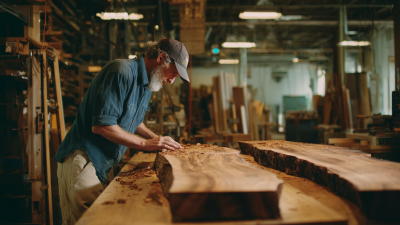
In the contemporary landscape of home design, furniture makers play a pivotal role in shaping both aesthetics and functionality within living spaces. As homes become increasingly personalized and designed to reflect individual lifestyles, the craftsmanship and creativity of furniture makers are more crucial than ever. Expert in the field, Sarah Jenkins, a renowned furniture designer, emphasizes this impact by stating, "Furniture makers are not just creators; they are storytellers, translating the essence of modern living into tangible forms."
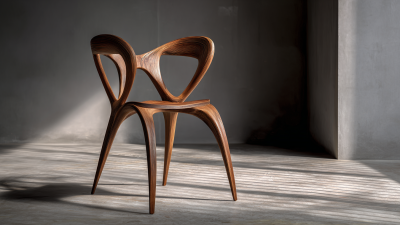
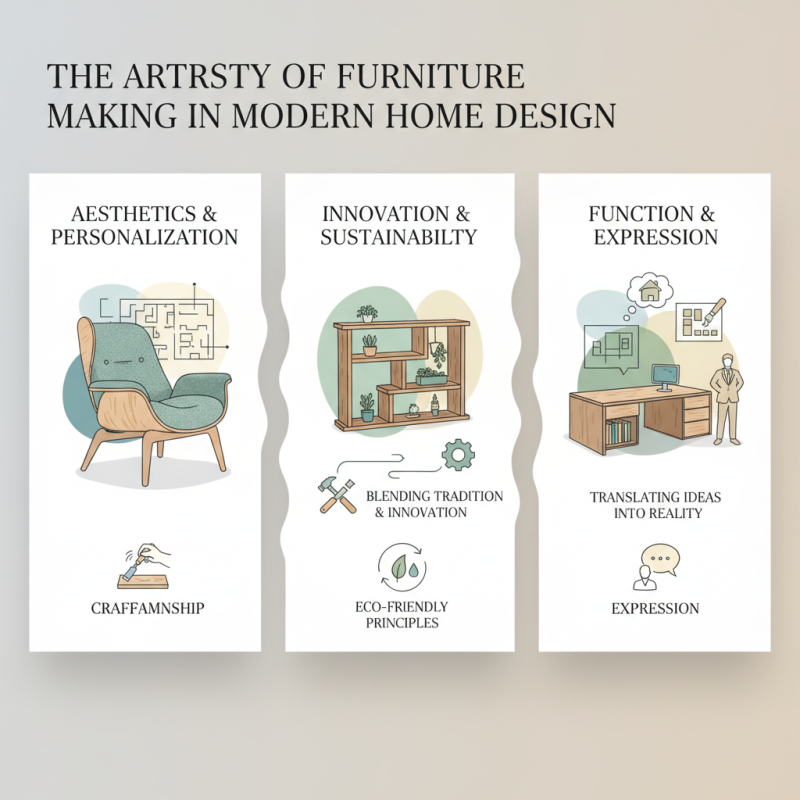
The intricate relationship between furniture design and modern home aesthetics speaks volumes about the invaluable contributions of these artisans. They blend traditional techniques with innovative approaches, allowing homeowners to express their unique identities through tailored furniture. As the demand for sustainable and versatile designs grows, furniture makers are adapting, ensuring that their creations not only enhance the beauty of a space but also align with eco-friendly principles.
In essence, furniture makers embody the spirit of modern home design, transforming ideas into reality and ensuring that our living environments remain functional, beautiful, and reflective of our values. Their artistry continues to inspire homeowners and designers alike, making them indispensable to the evolution of contemporary interiors.
The Evolution of Furniture Makers in Home Design History
The evolution of furniture makers has significantly shaped home design throughout history. Beginning as artisans crafting functional pieces for everyday use, these makers have transformed into innovative designers who blend aesthetics with practicality. Historical analyses reveal that the global furniture market was valued at approximately $400 billion in 2022, with projections suggesting that it could surpass $500 billion by 2028. This growth underscores the increasing importance of furniture in modern living spaces, reflecting changing consumer preferences and lifestyle needs.
In recent decades, the role of furniture makers has expanded to include a focus on sustainability and customization. Contemporary consumers are increasingly seeking pieces that not only fit their personal style but also align with eco-friendly practices. According to a 2023 report by the Home Furnishings Association, over 60% of consumers consider sustainability when making furniture purchases, driving makers to innovate with environmentally friendly materials and production methods. As a result, furniture makers today are not just creators; they are also custodians of responsible design, navigating the intersection of functionality, style, and ethical production as they contribute to the evolving landscape of modern home design.
The Role of Furniture Makers in Modern Home Design
The Influence of Design Trends on Contemporary Furniture Creation
The contemporary landscape of furniture creation is profoundly influenced by
prevailing design trends, shaping not only aesthetic choices but also
functionality and
sustainability in home environments.
In recent years, a report from the National Association of Home Builders
highlighted that 67% of homebuyers
prioritize open living spaces, encouraging furniture makers to innovate with
versatile, space-saving designs. This demand has led to a surge in
multifunctional furniture, such as sofas that convert into beds or coffee
tables with hidden storage, appealing to urban dwellers seeking to
maximize limited space.
Moreover, sustainability has become a pivotal trend in the furniture industry,
with a 2022 survey revealing that over
70% of consumers prefer eco-friendly
materials and production processes. As a result, furniture makers are increasingly
sourcing reclaimed wood and using non-toxic finishes to meet consumer expectations.
This shift not only addresses environmental concerns but also resonates with a
market that is increasingly educated about the lifecycle of their purchases.
By embracing these design trends, furniture makers play a crucial role in
transforming modern home interiors, reflecting broader societal values and
enhancing the overall living experience.
Sustainable Practices Among Modern Furniture Makers
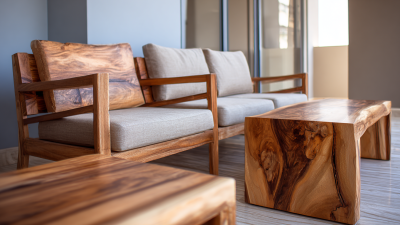
In contemporary home design, the role of furniture makers transcends mere craftsmanship; they are pivotal in promoting sustainable living. Modern furniture makers increasingly prioritize eco-friendly materials and processes, recognizing the environmental impact of their work. By sourcing sustainable materials such as reclaimed wood, bamboo, and non-toxic finishes, these artisans contribute to a healthier planet while ensuring their creations are durable and timeless. This transition not only caters to a growing consumer demand for sustainable products but also exemplifies how design can harmoniously coexist with environmental responsibility.
Additionally, many furniture makers are adopting innovative manufacturing techniques that minimize waste. For instance, some use computer-aided design (CAD) to optimize material use, ensuring every cut serves a purpose. This level of precision reduces off-cuts and repurposes leftover materials into new products, creating a circular economy within the furniture industry. Workshops are also increasingly focusing on local production and craftsmanship, which not only supports the local economy but significantly reduces the carbon footprint associated with transportation. Through these sustainable practices, modern furniture makers are redefining the industry, demonstrating that style and sustainability can indeed go hand in hand.
What is the Role of Furniture Makers in Modern Home Design - Sustainable Practices Among Modern Furniture Makers
| Furniture Type |
Materials Used |
Sustainability Practice |
Design Style |
Target Market |
| Sofa |
Recycled Fabric, FSC Certified Wood |
Use of Low-VOC Finishes |
Contemporary |
Eco-Conscious Consumers |
| Dining Table |
Bamboo, Reclaimed Wood |
Upcycling Old Materials |
Rustic |
Families |
| Bookshelf |
Sustainable Timber, Non-Toxic Paint |
Locally Sourced Materials |
Minimalist |
Students and Young Professionals |
| Chair |
Cork, Biodegradable Fabrics |
Circular Economy Approach |
Scandinavian |
Design Enthusiasts |
Customization and Personalization in Home Furniture Solutions
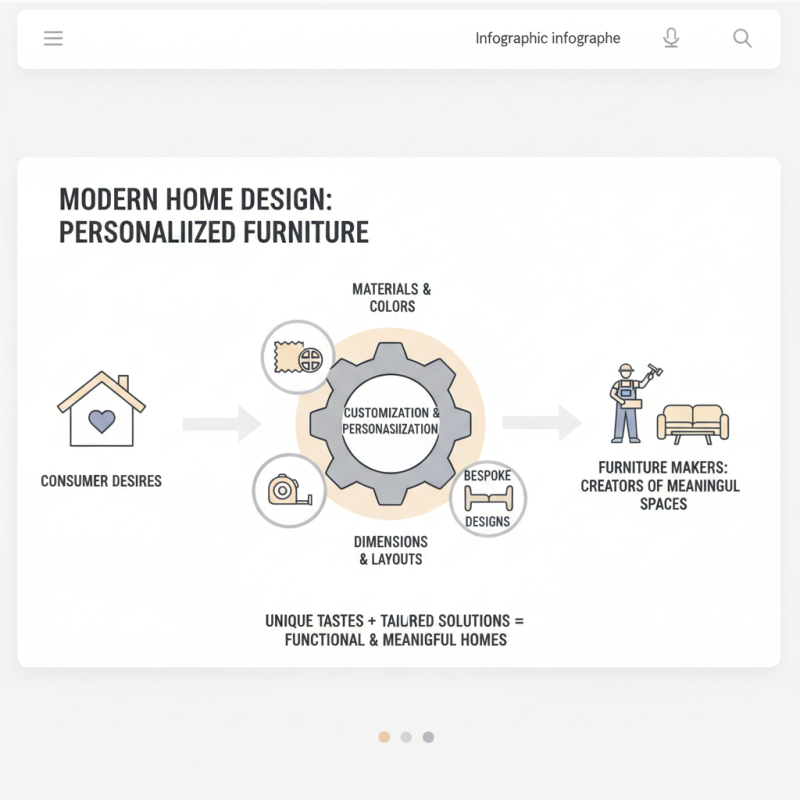
In modern home design, the role of furniture makers extends far beyond mere production; they are key players in the realm of customization and personalization. Today’s consumers seek furniture that reflects their unique tastes and lifestyles, leading to a growing demand for tailored solutions. Furniture makers are increasingly focusing on bespoke designs that cater to individual preferences, whether that involves selecting specific materials, colors, or dimensions. This movement towards personalization allows homeowners to create spaces that are not only functional but also deeply meaningful.
Moreover, the customization process often integrates sustainable practices, as consumers become more aware of their environmental impact. By working closely with furniture makers, individuals can choose eco-friendly materials and artisanal techniques that resonate with their values. This collaboration fosters a sense of ownership over the design process, allowing customers to influence the outcome and express their identity through the furniture they select. Ultimately, furniture makers serve as facilitators in transforming generic spaces into authentic homes, underscoring the importance of customization in contemporary interior design.
The Intersection of Technology and Furniture Making in Design
In modern home design, the integration of technology into furniture making has transformed the landscape of interior spaces. According to the 2022 Furniture Manufacturing Industry Report, approximately 60% of furniture companies are now investing in smart technology and automation to enhance their production processes. This technological intersection not only streamlines manufacturing but also enables the creation of multifunctional furniture that meets the evolving needs of consumers.
The rise of smart furniture, which incorporates features like wireless charging, integrated lighting, and automated adjustments, reflects a growing trend in the market. A survey conducted by the International Home Furnishings Association revealed that 73% of consumers are interested in furniture that enhances their technological lifestyle.
As technology continues to advance, furniture makers are leveraging tools such as 3D printing and computer-aided design (CAD) software, allowing for customizable solutions that cater to individual preferences while minimizing waste. This blend of design innovation and technological capability is setting new standards for modern living environments, ultimately redefining our understanding of functionality and aesthetics in furniture design.