What is the importance of local furniture makers?

Local furniture makers play a crucial role in the economy and community. According to a recent report by IBISWorld, the U.S. furniture industry generates over $100 billion annually. Of this, local artisans contribute significantly to this growing sector.

"Local furniture makers are the backbone of our communities," says James Langston, an industry expert. His words highlight the deep connection between local craftsmanship and community identity. Each piece of furniture made locally tells a story. It represents the artistry and history of the region.

Moreover, local makers often prioritize sustainable practices. They use materials sourced from nearby suppliers. This reduces carbon footprints and supports local economies. However, despite their importance, many face challenges in marketing their products. This reflects a need for improved visibility and consumer education about the value of local craftsmanship.
What is the importance of local furniture makers?

Role of Local Furniture Makers in Community Development

Local furniture makers play a crucial role in community development. They contribute to the local economy by creating jobs and supporting local supply chains. According to a 2022 report by the American Home Furnishings Alliance, local furniture manufacturing accounts for over 100,000 jobs across the country. Each workshop can generate economic activity worth millions of dollars annually. These figures highlight the significant impact that small-scale producers have on local economies.

Beyond economics, local furniture makers foster community identity and cohesion. Their craft often reflects local culture and traditions. Many artisans source materials locally and focus on sustainability. This not only reduces carbon footprints but also strengthens relationships within the community. A survey showed that 85% of consumers prefer shopping local for its unique designs and authentic craftsmanship. Yet, challenges remain. Not every local maker has the skills or resources to compete with larger brands, creating a gap in market accessibility.

The presence of local furniture makers can encourage collaboration among community members. Workshops and events can nurture creativity and innovation. However, awareness of these local artisans sometimes falls short. Many residents still overlook the benefits of supporting local businesses. Continuous education and outreach are essential for reinforcing this connection.

Economic Benefits of Supporting Local Furniture Craftsmen

Local furniture makers possess a unique value that extends beyond just crafting beautiful pieces. Supporting them means boosting the local economy. These craftsmen often rely on nearby resources, reducing transportation costs. This leads to lower carbon emissions and a more sustainable approach. When customers buy locally, they directly contribute to their community's economic health.

Many local makers invest in their craft, using quality materials. This commitment often results in durable furniture that lasts. Unlike mass-produced items, local pieces tell stories. Each mark and finish reflects the artisan's dedication. However, there are challenges. Many small workshops struggle with high competition from larger corporations. They may lack the marketing budgets to showcase their work effectively. This underlines the importance of grassroots support and community recognition.

Supporting local craftsmen creates jobs and fosters skills. It promotes creativity and innovation. As artisans thrive, they inspire others to join the trade. Yet, it’s essential to be mindful of the potential pitfalls. Not every local maker can provide the same standard. Researching and understanding craftsmanship helps consumers choose wisely. Investing in local talent can lead to a stronger community bond.

Cultural Significance of Handmade Furniture in Local Traditions

What is the importance of local furniture makers?

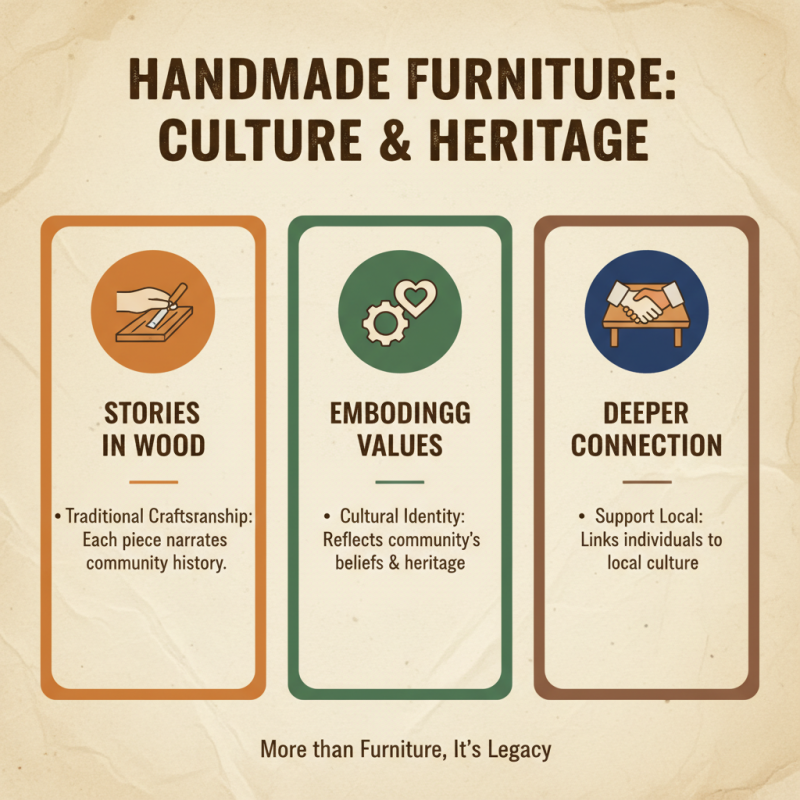
Handmade furniture plays a significant role in local cultures. Each piece often tells a story, reflecting traditions and craftsmanship. These creations are not just items for use. They embody the heritage of the community and its values. When people choose local makers, they connect with the culture in a deeper way.

Local artisans often use techniques passed down through generations. This can be a mix of forgotten skills and modern ideas. Their work may show imperfections, unique marks that reveal the human touch. Some pieces may not be perfectly smooth or symmetrical. Yet, these traits make them special. They remind us that beauty lies in authenticity.

Moreover, handmade furniture fosters a sense of belonging. Communities support each other through these creators. However, it is easy to overlook the challenges they face. Mass production often overshadows their art. It’s a constant struggle to find a balance between tradition and modern needs. Local makers must adapt while preserving their identity. This journey can lead to meaningful reflections about our relationship with craftsmanship.

Sustainability and Environmental Impact of Local Furniture Production

Local furniture makers play a crucial role in promoting sustainability. Their production processes often utilize locally sourced materials. This reduces the carbon footprint associated with transportation. Additionally, these artisans often prioritize using sustainable wood. They avoid overexploitation of forests, ensuring that resources remain available for future generations.

The craftsmanship involved in local production can yield unique and durable pieces. Mass-produced furniture tends to lack character and quality. However, local artisans often infuse their work with a personal touch. They create one-of-a-kind items tailored to individual needs. Yet, not all local makers comply with sustainable practices. Some may overlook ethical sourcing in favor of lower costs.

Consumers should be aware of these complexities. Supporting local furniture makers can foster community and trust. It encourages a deeper connection to the environment and craftsmanship. Still, it requires mindful consideration of the materials and methods used. By choosing local, we can minimize waste and promote a circular economy.

Importance of Local Furniture Makers - Sustainability and Environmental Impact

Dimension Data Value
Percentage of Local Materials Used 75%
Carbon Footprint Reduction 30% compared to mass-produced furniture
Job Creation 1.5 million local jobs across the U.S.
Average Lifespan of Locally Made Furniture 20 years
Recyclability Rate 90%
Community Investment Rate 65% of profits reinvested locally

Enhancing Customization and Personalization in Furniture Design

Local furniture makers play a vital role in enhancing customization and personalization in furniture design. According to a recent survey by the American Home Furnishings Alliance, 78% of consumers prefer personalized furniture options that reflect their unique tastes. Local artisans offer flexibility in design that mass production cannot match. They often work closely with clients to create pieces that cater to specific needs.

The craftsmanship from local makers allows for intentional designs. Handcrafted items can incorporate unique materials or features that resonate with buyers. In fact, around 65% of consumers are willing to invest more in customized pieces that align with their vision. This trend challenges the idea of standardization in furniture. However, it also raises concerns about consistency in quality. Some local makers may not have the same production resources as larger companies, leading to variability in outcomes.

Customization doesn’t come without challenges. It can lead to longer wait times, as each piece is often made to order. Local makers may also struggle to meet demand, especially during peak times. Despite these hurdles, the connection between the buyer and the maker remains strong. This personal touch is what many consumers seek, even if it means navigating some imperfections along the way.