How to Find the Best Local Furniture Makers in China?

Finding the best local furniture makers in China takes more than comparing prices or browsing polished product photos. You need to check how a workshop actually works. Ask for clear material specifications, close-up images of joints, and a finish sample you can inspect in daylight. A showroom can look convincing. The details matter more.

William Morris, the British designer and Arts and Crafts figure, wrote, “Have nothing in your houses that you do not know to be useful, or believe to be beautiful.” His principle offers a useful lens for choosing a maker: good furniture should suit its purpose and show care in its construction. Still, a fine sample does not guarantee every production piece will match. That is an easy point to overlook.

This guide explains how to shortlist local furniture makers, assess their craftsmanship, and ask useful questions before placing an order. Compare written quotes, production timelines, material options, and communication—not price alone. Request references or examples of similar completed work. If possible, arrange a workshop visit or a video call with the production team. Notice whether answers are specific, especially about wood selection, hardware, finishing, and quality checks. A checklist helps, but it cannot replace judgment. Make room for that uncertainty.
How to Find the Best Local Furniture Makers in China?

Define Your Furniture Requirements and Budget

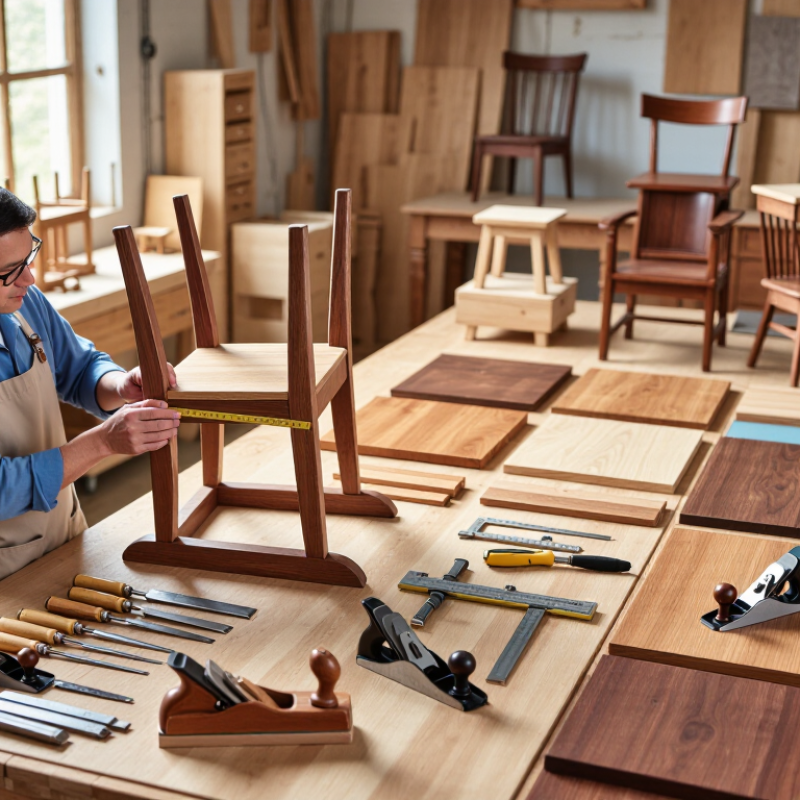
Before contacting local furniture makers in China, turn your idea into a clear specification. Measure the room, doorways, and lift; note the finished piece’s width, depth, and height. For a dining table, state the number of seats, preferred wood or board, finish, edge profile, and whether the legs must detach for shipping. Add reference photos, but label what matters in each one. “Warm walnut tone” is less useful than a sample or a written color reference. Keep some flexibility. Handmade finishes can vary slightly.

Set a total budget, then separate product cost from sampling, packaging, freight, and installation. Grand View Research put the 2022 global furniture market at US$677.09 billion, forecasting 5.0% annual growth through 2030. This broad market estimate is not a quote guide, but it shows how varied the sector is. Request itemized offers based on the same specification, so price comparisons are meaningful. Ask which dimensions, materials, and finish changes affect cost, and confirm what the sample fee covers. Leave a contingency for revisions. I would revisit the budget after reviewing a physical sample; screens hide grain and sheen. A useful detail, often missed.

Identify Suitable Furniture-Making Regions and Suppliers

China’s furniture supply is organized around regional strengths, so choose a cluster before comparing quotations. Foshan in Guangdong offers a broad mix of home furniture, showrooms, components, and export services. Anji in Zhejiang is especially associated with seating, including office and leisure chairs. Dongguan and nearby Pearl River Delta cities may suit buyers seeking custom wood furniture and coordinated production. These are starting points, not guarantees. A capable workshop may sit outside a famous cluster, while a listed supplier may outsource important steps.

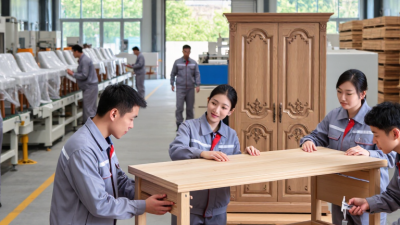
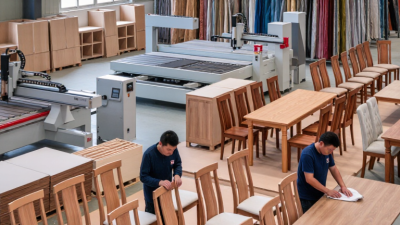
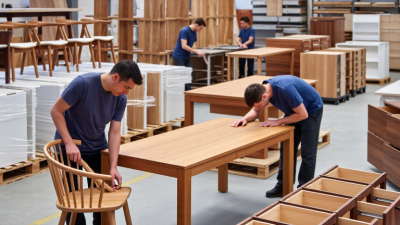
Match the region to your product, materials, and required production volume. Ask for proof. Request a live factory video or visit the workshop, then check whether the machines and staff match the products being offered. Compare samples for joinery, surface finish, dimensions, and hardware, not appearance alone. Small details matter. Ask who purchases the materials, which processes happen in-house, and how defects are handled. A clear answer is more useful than a polished catalogue. One caution: a perfect sample does not prove every production batch will match it. Approve a written specification and inspect a production unit before confirming a large order. Even careful checks cannot remove every risk. They can make supplier comparisons more grounded.

Verify Each Maker’s Experience, Facilities, and Certifications

A maker’s experience should match your product, not just your order size. Ask to see recent work using similar wood, upholstery, joinery, and finishes. Request references and production records, then compare dates, quantities, and materials. A showroom sample can look flawless; the next production batch may differ. That gap deserves a direct question.

Inspect the actual workshop, from timber storage to cutting, sanding, finishing, and packing. Look for clear material labels, working dust extraction, and moisture checks on wood. ISO’s 2022 Survey of Management System Certifications recorded 1,265,216 valid ISO 9001 certificates worldwide. This shows how common the standard is, not that every certified factory makes excellent furniture. Check the certificate’s scope, issuing body, expiry date, and facility address. For wood sourcing claims, verify that any chain-of-custody certification covers the relevant materials and site.

Tips: Ask for a live video walk-through if travel is difficult. Request close-up photos of unfinished joints and packed goods. Then compare them with the approved sample. Small details matter. A maker may not have every record perfectly organized, so note gaps and ask how they control them before paying a deposit.

Compare Samples, Quotes, Lead Times, and Communication

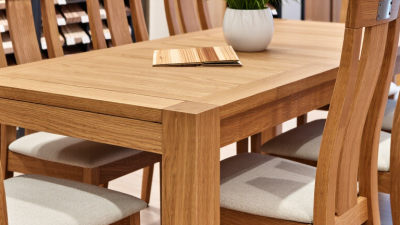
Request identical samples from each furniture maker, not showroom pieces alone. Check a cabinet door under daylight: inspect veneer matching, edge-banding, hardware, and finish consistency. Photograph defects and record dimensions. Small differences matter.

Ask for itemized quotes covering materials, tooling, packaging, inspection, and delivery terms. Compare like with like; a low price may exclude protective crating or a second finish coat. Request a dated production schedule with sample approval, fabrication, and packing milestones.

The World Bank’s 2023 Logistics Performance Index ranked China 19th among 139 economies, with a score of 3.7. That is a national benchmark, not a guarantee of any workshop’s delivery. UNCTAD’s Review of Maritime Transport 2024 reported a sharp early-2024 fall in Suez Canal container-ship transits, illustrating how routes can shift.

Build in slack. Ask what happens if an approved material arrives late, and get revised dates in writing. Judge communication by specifics: clear answers, prompt updates, and willingness to flag problems. A polished reply is not enough.

One weak point remains: even careful checks cannot remove every production surprise.

Agree on Contract Terms and Monitor Production Quality

How to Find the Best Local Furniture Makers in China?

Agree on Contract Terms and Monitor Production Quality

A clear contract turns a promising sample into measurable production requirements. Specify wood species, moisture range, dimensions, finish sheen, hardware, packaging, and acceptable defects. Attach approved drawings and a signed “golden sample” reference. Get it in writing. The ISO Survey 2022 recorded 1,265,216 valid ISO 9001 certificates worldwide. That figure shows how widely quality systems are used, but certification alone does not prove a workshop will meet your specifications.

Set inspection points before production begins: check materials, inspect a first finished unit, then sample goods before packing. Agree who pays for rework, how defects are recorded, and what happens if shipment dates slip. Use dated photos and written inspection notes. A close-up of a chipped veneer edge or uneven drawer gap is more useful than “finish looks poor.” Avoid relying only on a final inspection; by then, corrections may be expensive.

Keep payment milestones tied to documented progress, not verbal assurances. Ask the maker to report changes in materials or subcontracting before they affect the order. A sample can still mislead: workshop lighting may hide color differences, and one perfect chair proves little about a full batch. I would leave a little room for judgment, but define tolerances clearly enough that both sides can act on them.

How to Find the Best Local Furniture Makers in China? — Agree on Contract Terms and Monitor Production Quality
Control Area What to Agree or Check Suggested Contract Detail or Acceptance Basis When to Monitor Evidence to Keep Action if a Problem Is Found
Product specifications Dimensions, construction, finish, hardware, upholstery, and approved drawings Attach dated drawings and a written specification. State measurement points, permitted tolerances, and how visible surfaces will be assessed. Before signing; reconfirm before production Signed specification, drawing revisions, and approval records Pause work on affected items until the specification or drawing is clarified in writing.
Materials and substitutions Wood species or material type, board grade, veneer, fabric, foam, finish, and hardware List agreed materials and measurable descriptions where possible. Require written approval before any substitution. Before purchasing and at material receipt Material samples, purchase records, labels, and dated receiving photos Isolate unapproved materials and agree on replacement or a documented specification change.
Sample and first-article approval Appearance, fit, function, finish, and assembly of a representative unit Identify the approved sample and record any agreed changes. Use the signed sample or approved reference photos as the comparison basis. Before the main production run Signed sample approval and a numbered list of approved changes Do not treat an unapproved sample as authorization for mass production.
Production schedule Material readiness, sample approval, production start, inspection window, and shipment date Set milestone dates, define how schedule changes are reported, and specify who approves revised dates. At contract signing and at each milestone Production plan, progress updates, and written change approvals Request a recovery plan with revised milestones and responsible contacts.
In-process workmanship Joinery, edge treatment, sanding, surface preparation, stitching, and hardware installation Define observable requirements and identify critical features that must be checked before units are finished or assembled. During production, before defects become difficult to correct Dated inspection photos, defect list, and corrective-action records Mark affected units, agree on rework, and verify the correction before work continues on that feature.
Final inspection Quantity, dimensions, finish consistency, function, stability, and agreed workmanship criteria Agree on inspection timing, sampling method, defect categories, and the written acceptance or rejection process. Base decisions on the contract specification. After production and before final shipment or balance payment Inspection report, measurement results, photos, and signed disposition of defects List nonconforming items and require agreed rework, replacement, or another written remedy before acceptance.
Packaging and shipping readiness Protection for edges and surfaces, moisture protection where appropriate, carton identification, and packing list Specify packaging method, carton markings, unit counts, and any handling or stacking instructions needed for the shipment. Before cartons are sealed and loaded Packing photos, carton count, packing list, and loading record Correct inadequate packaging or documentation before dispatch and record the final pack-out.
Payment and remedies Deposit, milestone payments, final balance, delivery responsibilities, and nonconformance handling Link payments to clearly defined milestones and acceptance documents. State responsibility for agreed rework, replacement, delays, and shipping costs. Before signing and before each payment Signed contract, invoices, payment records, inspection results, and written notices Follow the contract’s written notice and dispute process; document each decision and agreed remedy.

Note: These are practical contract and inspection prompts, not universal quality limits. Set product-specific tolerances, inspection methods, and remedies in writing with the maker before production begins.