Finding the best furniture makers for your home decor needs can significantly enhance the aesthetic and functionality of your living space. According to industry reports from the American Home Furnishings Alliance, the furniture industry generated over $120 billion in revenue in 2022, highlighting the immense market for quality craftsmanship and design. As consumers increasingly prioritize personalized and sustainable home solutions, selecting the right furniture makers becomes pivotal.
Expert insight from Michael Heller, a renowned furniture industry expert, emphasizes the importance of craftsmanship in home decor. He states, "Choosing skilled furniture makers is essential for achieving a unique and lasting style in your home." Indeed, the right furniture maker can transform a mere living space into a personalized sanctuary, reflecting your taste and fulfilling practical needs. As you embark on this journey, understanding the traits of reputable furniture makers will allow you to make informed decisions that enhance your home’s charm and comfort.

Identifying your home decor style is an essential first step in choosing the right furniture makers. According to a recent survey by the American Home Furnishings Alliance, over 60% of consumers reported that personal style significantly influences their purchasing decisions in furniture. Understanding your unique taste can lead you to artisans and manufacturers who align with your vision, ensuring that the pieces in your home reflect who you are.
Tip: Begin by exploring different design styles, such as modern, rustic, or industrial, to find what resonates with you. Pinterest is a valuable tool for creating mood boards that visually represent your ideal decor theme. Furthermore, familiarizing yourself with color palettes that complement your style can help you narrow down furniture makers that specialize in the aesthetics you prefer.
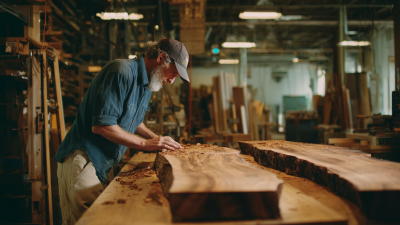
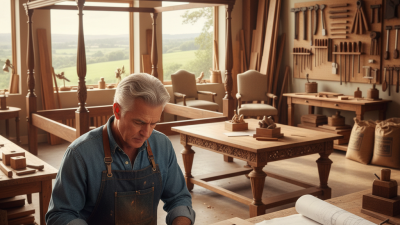
Once you have clarity about your decor style, research local craftsmen and furniture makers who specialize in your chosen design. A report from Furniture Today highlights that bespoke furniture is becoming increasingly popular, with a 25% increase in demand for custom pieces over the past year. By reaching out to local artisans, you not only support your community but can also often collaborate on designs that fit your specific needs.
Tip: Attend local craft fairs or home shows to connect directly with furniture makers and see their work in person. This can provide insight into their craftsmanship and help you build a relationship with potential makers for your home decor needs.
When selecting furniture for your home, understanding the different types of materials available can significantly influence both the aesthetics and longevity of your pieces. Wood, metal, and fabric are among the most common materials, each offering unique benefits. According to a 2021 report by the American Home Furnishings Alliance, 90% of consumers prefer wooden furniture due to its durability and timeless appeal. Solid hardwood, in particular, is known for its strength, while engineered wood provides a more cost-effective alternative without compromising on style.
Metal furniture has gained popularity in modern design, appreciated for its industrial look and resilience. A study by the Furniture Manufacturers Association indicated that metal pieces can last up to twice as long as wooden ones in high-traffic areas, making them ideal for households with kids or pets. Additionally, fabric options, such as upholstery, offer comfort and versatility. Performance fabrics, which are designed to resist stains and wear, have seen a 35% increase in demand as homeowners prioritize both style and functionality.
**Tips:** When choosing materials, consider the environment where the furniture will be placed. For outdoor settings, weather-resistant materials like teak or powder-coated metal are essential. In contrast, for indoor use, opt for materials that complement existing decor while also considering maintenance and longevity. Always request samples to assess the material quality and texture before making a purchase, ensuring it fits seamlessly into your home decor vision.
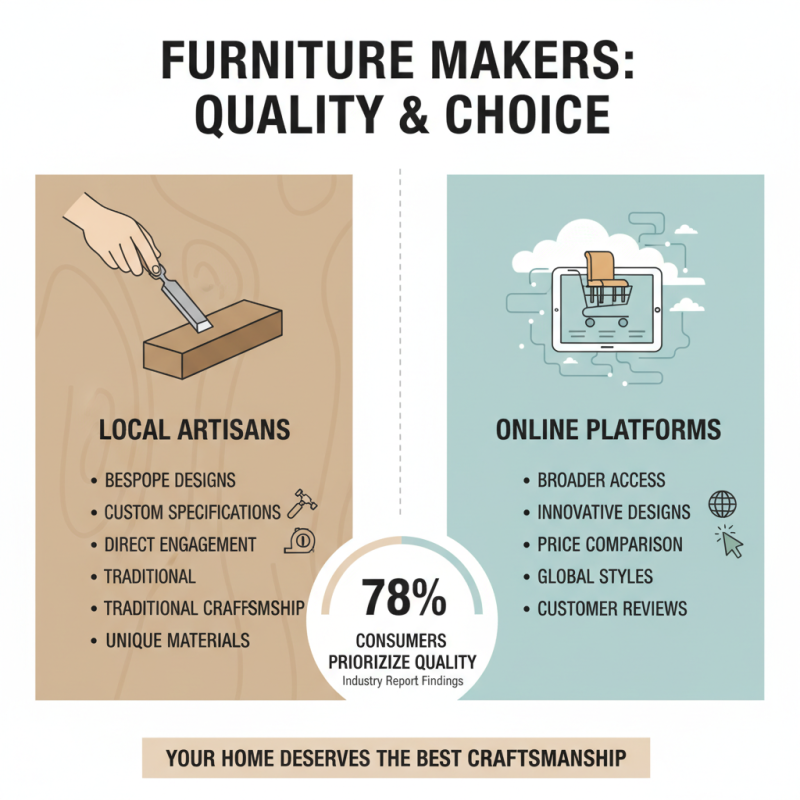
When searching for the best furniture makers to meet your home decor needs, a thorough investigation into both local and online options is essential. Industry reports suggest that 78% of consumers prioritize quality over price when making furniture purchases, highlighting the importance of selecting manufacturers known for their craftsmanship. A meticulous review of available furniture makers can provide insights into their production methods, the materials used, and overall durability. Engaging with local makers can often lead to bespoke solutions tailored to your specifications, while online platforms can offer broader access to innovative designs and styles.
Customer reviews are invaluable in this process. A recent survey by the Home Furnishings Association indicated that 88% of consumers will read reviews before purchasing furniture. It’s advisable to explore multiple platforms and social media to gather diverse opinions. Pay attention to feedback specifically regarding customer service, delivery times, and the longevity of the furniture to gauge the reliability of potential makers. Checking for certifications or associations with recognized industry standards can further enhance your confidence in their products. This multifaceted approach to researching furniture makers ensures you invest in pieces that not only match your aesthetic but also stand the test of time.
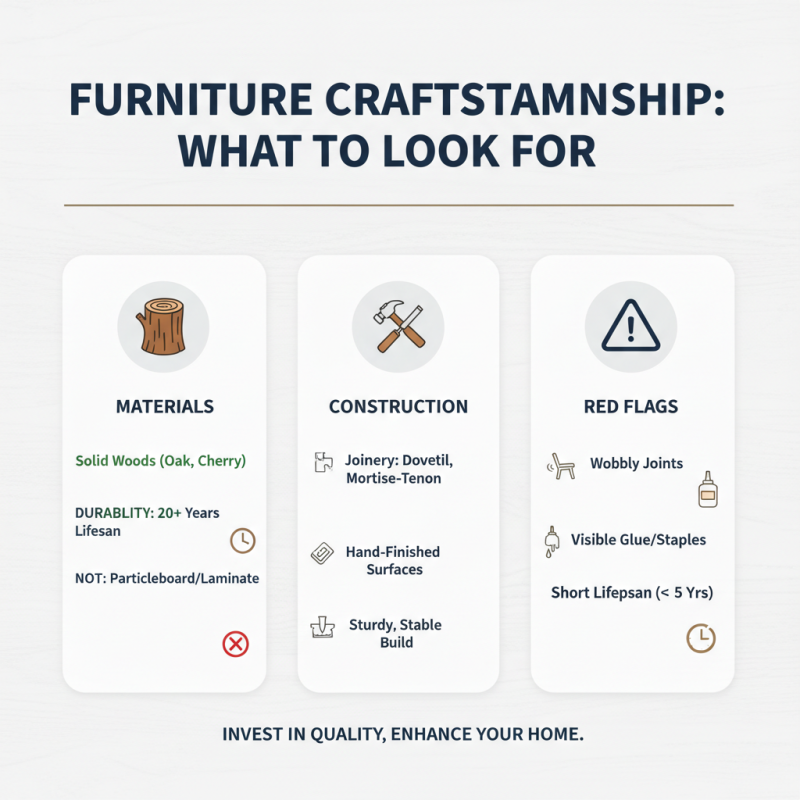
Evaluating craftsmanship is crucial when selecting furniture makers for your home decor needs. High-quality furniture typically showcases several key features that distinguish it from mass-produced alternatives. One of the most significant indicators of quality is the type of materials used. Solid woods, such as oak or cherry, are preferred for their durability and aesthetic appeal, as they can withstand wear and tear far better than particleboard or laminate. According to industry reports, furniture crafted from solid wood can last over 20 years, surpassing the lifespan of less expensive materials, which often need to be replaced within a few years.
Another hallmark of quality craftsmanship is the attention to detail in construction methods. Joint types, such as dovetail or mortise-and-tenon, represent superior construction that enhances stability and extends the lifespan of the piece. A recent survey by the Furniture Quality Assessment Institute found that furniture with these types of joints is 50% less likely to show signs of wear over time. This highlights the importance of choosing makers who emphasize traditional woodworking techniques.
Tips for evaluating craftsmanship include examining the finish—high-quality furniture should feel smooth to the touch, and there should be no visible glue marks or unfinished areas. Additionally, scrutinize the hardware; sturdy metal components often indicate good craftsmanship. Lastly, don't hesitate to ask makers about their production processes and material sourcing, as transparency can be a strong sign of quality assurance.
When considering custom furniture, understanding budget and pricing trends is essential for informed decision-making. According to a report by the Custom Furniture Association, custom furniture typically ranges from $1,000 to $5,000 per piece, depending on factors such as material, craftsmanship, and design complexity. The growth in the luxury furniture market, which has seen a compound annual growth rate (CAGR) of around 5% over the past five years, reflects an increasing consumer willingness to invest in personalized interior solutions that enhance their home environments.
As you explore your options among furniture makers, it's crucial to align your budget with the latest pricing trends. Many artisans offer tiered pricing structures, where the cost is influenced by the intricacy of the design and the type of materials used. For instance, using sustainably sourced hardwoods or eco-friendly finishes can add to the cost but often resonate with environmentally conscious consumers.
Statistics show that approximately 60% of consumers are willing to pay a premium for sustainable products, signaling a shift in buying behavior that furniture makers need to consider in their pricing strategies. Therefore, when budgeting for custom furniture, be prepared for a broad price range influenced by design choices and a growing emphasis on sustainability.