10 Essential Tips for Choosing the Perfect Upholstered Couch for Your Home
When it comes to selecting the perfect upholstered couch for your home, the choices can be overwhelming. With countless styles, colors, and materials available, finding the right one can feel like a daunting task. According to renowned interior designer Emily Henderson, "An upholstered couch should not only reflect your style but also provide comfort and functionality to your living space." This insight highlights the importance of not just focusing on aesthetics but also considering the practical aspects of your couch.
In this guide, we present ten essential tips that will help you navigate the complex world of upholstered couches, ensuring you make a decision that enhances your home decor while meeting your everyday needs. From understanding different upholstery fabrics to knowing the ideal size for your living room, each tip is designed to equip you with the knowledge necessary to choose wisely. As you embark on this journey, remember that an upholstered couch serves as a centerpiece in your living area, offering both beauty and comfort for years to come.

Factors to Consider When Selecting an Upholstered Couch
When selecting an upholstered couch, several key factors should be considered to ensure it fits seamlessly into your home. First, you must evaluate the size of the couch in relation to your living space. Measure the dimensions of the room and the area where the couch will be placed. This will help you avoid the common mistake of buying a piece that is either too large, overwhelming the space, or too small, making it look insignificant.
Another crucial factor is the fabric choice. Different materials offer varying levels of durability, maintenance, and comfort. For high-traffic areas, opt for durable fabrics such as polyester or microfiber that can withstand daily use. Additionally, consider the color and pattern of the upholstery, as these can greatly impact the overall aesthetic of your room. Neutral tones can provide versatility, while bold patterns can become a focal point.
By carefully weighing these factors, you can select an upholstered couch that not only complements your existing decor but also enhances your home's comfort and functionality.
Understanding Different Upholstery Fabrics and Their Uses
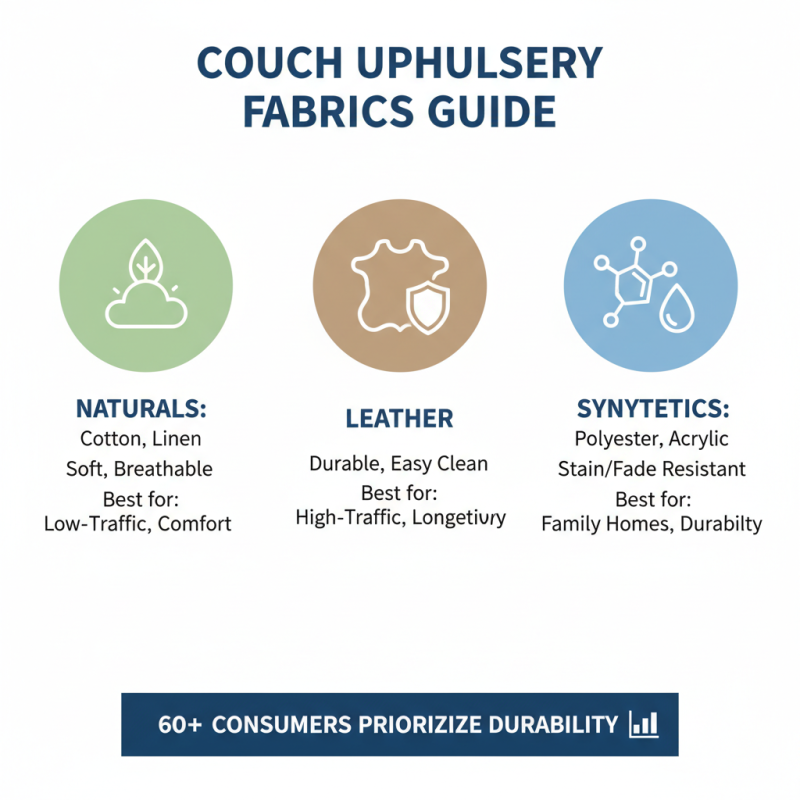
When selecting an upholstered couch, understanding the different upholstery fabrics available is crucial for both aesthetics and functionality. Common upholstery fabrics include cotton, linen, leather, and synthetic options like polyester and acrylic. Cotton is favored for its soft feel and breathability, making it suitable for lighter-use furniture or homes with children. In contrast, leather boasts durability and easy maintenance, while synthetic fabrics offer resistance to stains and fading, which is particularly beneficial for high-traffic areas. According to a recent industry report, over 60% of consumers prioritize fabric durability when choosing upholstery, highlighting the importance of material selection.
Tip: Always consider the couch's primary use and the lifestyle of your household before making a choice. For instance, if you have pets or young children, you may want to opt for tightly woven fabrics or those with a stain-resistant finish. Tip: Don't forget to evaluate the fabric's cleaning requirements and lifespan; investing in a fabric that is easy to maintain can save you time and money in the long run. For those looking for an eco-friendly option, sustainable fabrics such as organic cotton or recycled polyester are gaining popularity due to their reduced impact on the environment.
Exploring various upholstery options and understanding their applications can greatly enhance your decision-making process. Take the time to test different textiles to see which ones complement your décor while meeting your practical needs.
Evaluating Couch Size and Proportions for Your Living Space
When selecting the perfect upholstered couch for your living space, evaluating size and proportions is crucial. Begin by measuring the dimensions of your room. Consider the layout, including doorways, windows, and existing furniture. A common mistake is choosing a couch that looks good in the store but overwhelms or underwhelms the intended space.
A general guideline is to leave at least 30 inches of space for walkways, ensuring that your couch complements the room’s flow rather than disrupts it.
Next, think about the scale of your couch in relation to the other furnishings. If your home is filled with oversized furniture, a smaller couch may appear lost and out of place. Conversely, a larger couch can dominate a petite, cozy space. It's essential to maintain a balance; the proportions should harmonize with your other interior elements.
Additionally, consider the height and depth of the couch. A low-slung couch can create an airy feeling in a lower ceiling room, while taller pieces can add height and a sense of grandeur in spacious areas. By carefully assessing these factors, you can ensure that your chosen couch enhances your living environment beautifully.
Choosing the Right Style and Design for Your Home Décor
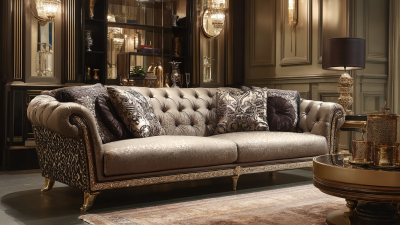
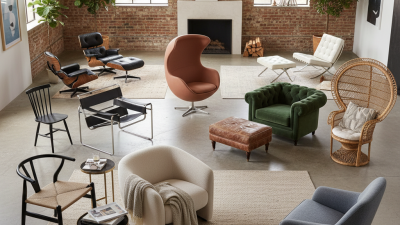
When selecting the perfect upholstered couch for your home, the style and design should harmoniously blend with your existing décor. Start by assessing the dominant themes in your space—whether it be modern, traditional, or eclectic. A mid-century modern couch can complement a minimalist room, while a classic chesterfield might be ideal for a more traditional interior. The key is to choose a piece that enhances the overall aesthetic, providing a seamless connection between your furnishings and the architectural elements of your home.
Color and texture play a crucial role in this decision-making process. Consider the color palette of your room; a bold, vibrant couch can serve as a striking focal point, or a muted shade can create a calm and inviting atmosphere. Additionally, the fabric's texture—be it velvet, linen, or leather—should also reflect the mood you wish to create. Soft textiles are perfect for a cozy, relaxed environment, whereas sleek materials may convey sophistication and elegance. By thoughtfully considering the interaction of style, color, and texture, you can ensure that your upholstered couch becomes a cherished centerpiece in your home.
Budgeting: How Much to Spend on an Upholstered Couch
When budgeting for an upholstered couch, it's important to consider both your financial limits and the quality you desire. According to a report by the American Home Furnishings Alliance, the average cost of upholstered sofas typically ranges from $800 to $2,500, depending on factors such as material, size, and brand reputation. Setting a realistic financial limit will help you narrow down your options and ensure you select a couch that fits both your aesthetic preferences and your wallet.
Tip: Before you start looking, assess your needs based on your lifestyle. If you have pets or young children, investing a bit more in durable materials or easy-to-clean fabrics may save you costs down the line. Research shows that consumers often overlook these practical considerations, which can lead to more frequent replacements and additional expenses over time.
When planning your budget, don't forget to include delivery costs, potential assembly fees, and any additional accessories like cushions or throws that could enhance your couch's appeal. A study from the Furniture Today indicates that nearly 65% of buyers do not factor in these extra expenses, which can lead to overspending. Keeping a comprehensive budget in mind will ensure you make a well-informed purchase that fits seamlessly into your home.
10 Essential Tips for Choosing the Perfect Upholstered Couch for Your Home - Budgeting: How Much to Spend on an Upholstered Couch
| Couch Type |
Material |
Price Range (USD) |
Durability Score (1-10) |
Style Options |
| Sectional Couch |
Fabric |
$800 - $2,500 |
8 |
Modern, Contemporary |
| Chesterfield Sofa |
Leather |
$1,200 - $3,500 |
9 |
Classic, Vintage |
| Sleeper Sofa |
Fabric |
$600 - $1,800 |
7 |
Functional, Modern |
| Mid-century Modern Sofa |
Velvet |
$700 - $2,000 |
8 |
Mid-century, Retro |
| Tufted Sofa |
Fabric |
$500 - $1,500 |
7 |
Traditional, Elegant |