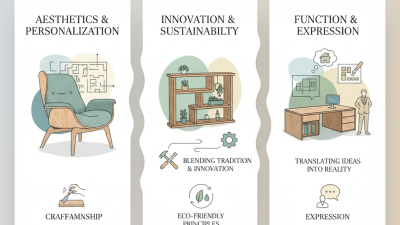
Choosing the right furniture makers for your home can be daunting. With countless options available, how do you narrow it down? It's crucial to consider your style and needs. Furniture makers have different specialties. Some excel in contemporary designs, while others focus on traditional craftsmanship.
Quality is key when selecting furniture makers. Look for those using sustainable materials. A maker who prioritizes durability often shows a deep understanding of their craft. Researching past projects can reveal their expertise. Pay close attention to customer reviews as well. They can highlight strengths and weaknesses you might not notice at first glance.
It's easy to overlook details. Sometimes, a beautiful piece may not stand the test of time. Ensure furniture makers offer customization options to suit your space. Think about how the final product will fit into your home. Reflecting on your priorities will lead you to the right choice.
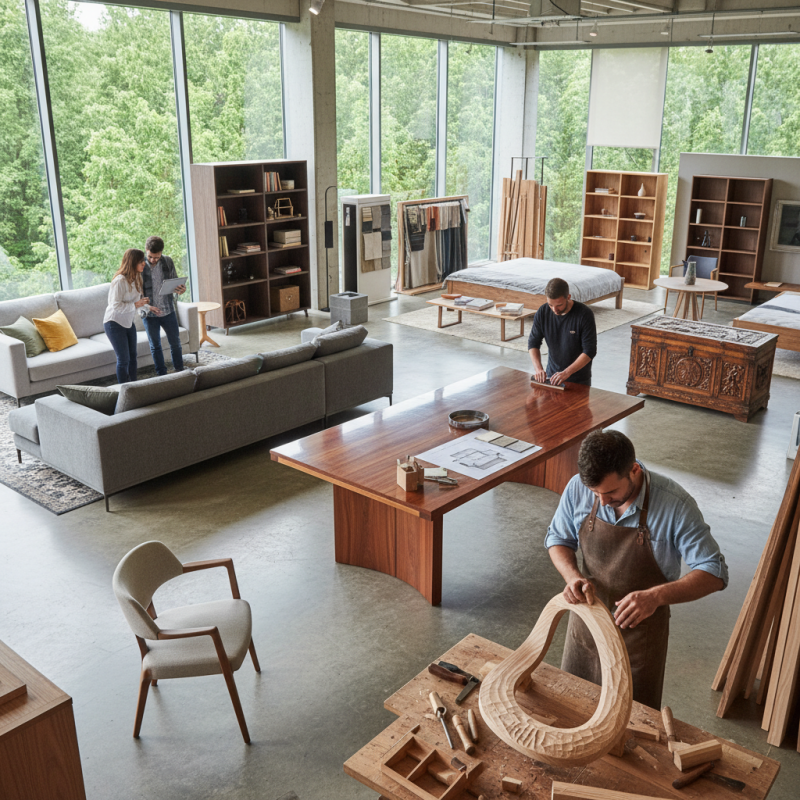
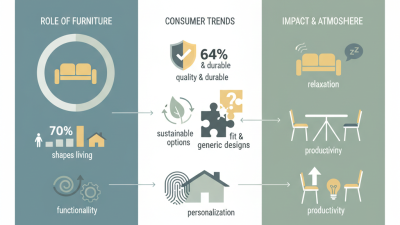
Choosing the right furniture for your home begins with understanding your specific needs. A recent survey by the American Home Furnishings Alliance found that 68% of consumers prioritize comfort when selecting furniture. This highlights the importance of assessing how you will use each piece in your space.
Consider your lifestyle. Do you entertain often, or do you need playful areas for children? The size and layout of your home also play a role. For example, an open concept space might require versatile seating options. Opting for multi-functional furniture can maximize your home's usability. Remember, the balance between aesthetics and function is crucial.
Moreover, don’t overlook the materials. A report from IBISWorld indicates that eco-friendly furniture purchases have risen by 16% over the last five years. This trend suggests that buyers are becoming more conscious of sustainability. However, quality often compromises affordability. This creates a tension that requires careful consideration. Make a list of must-haves versus nice-to-haves. Be honest about what you truly need.
When researching local furniture makers, start by checking their specialties. Some artisans focus on traditional designs, while others excel in contemporary styles. Take note of the materials they use. Quality wood, metals, or eco-friendly options might catch your eye. Don’t hesitate to ask about their process. This often reveals their commitment to craftsmanship.
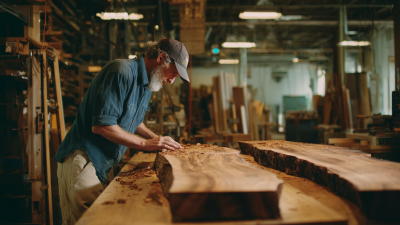
Visit local workshops to see their work in person. It’s essential to observe details like joinery and finishing techniques. Talk to them about your vision. Their ability to listen is crucial. However, you might find that not every maker can match your expectations. It’s okay to feel a bit uncertain at this stage. Gathering different quotes can provide clarity, but it may also confuse you.
Pay attention to reviews and feedback from previous clients. Some may offer insights you didn’t consider. Personal recommendations can add a layer of trust. Yet, every maker has their own style and approach, which might not suit all tastes. Ultimately, weighing your choices carefully is vital.
When choosing furniture, materials matter. The type of wood or fabric can influence durability and comfort. For instance, hardwoods like oak and maple often last longer than softwoods. According to a report by the American Home Furnishings Alliance, nearly 30% of consumers prioritize material quality over price. This highlights the trend of valuing longevity in furniture.
Fabric choices also play a critical role. Natural fibers like cotton and wool tend to be more breathable than synthetics. However, they may stain more easily. On the other hand, synthetic fabrics can be easier to clean, but they might not feel as comfortable. Still, many consumers overlook these factors, focusing only on aesthetics.
Proper evaluation requires more than just a visual check. Ask about the sourcing of materials. Solid construction, like dovetail joints, indicates quality. Many consumers don’t realize the importance of checking these details. A beautiful piece can hide poor craftsmanship beneath the surface. By researching and evaluating different materials, you can make a more informed decision for your home.
This chart evaluates the quality of various furniture aspects. The scores range from 0 to 100, where higher values indicate better quality in terms of wood quality, upholstery durability, finish quality, design aesthetics, and sustainability.
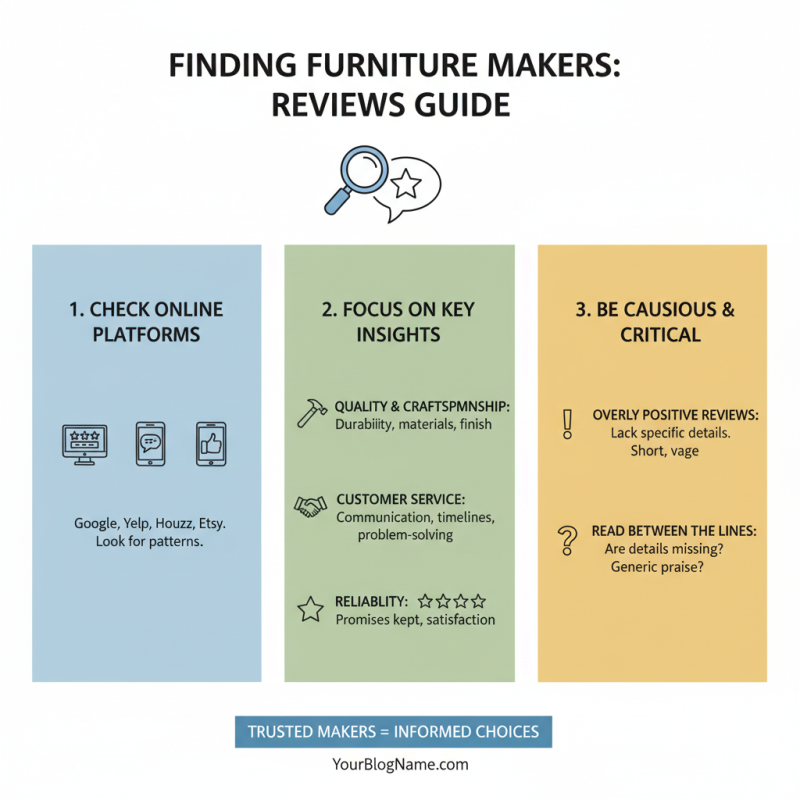
When looking for furniture makers, customer reviews provide valuable insights. Check online platforms for feedback from previous clients. Look for comments on quality, craftsmanship, and customer service. Positive reviews often indicate a reliable maker. Yet, be cautious—sometimes, you might find overly enthusiastic feedback that feels exaggerated. It's essential to read between the lines, especially if certain details seem lacking.
In addition to reviews, personal recommendations can be a goldmine. Ask friends and family about their experiences. They may suggest makers you haven't considered. Additionally, local community groups can offer firsthand accounts. However, remember that personal taste varies. What one person loves, you might not appreciate. This subjectivity calls for careful consideration. Balancing recommendations with your preferences is key. Take time to gather diverse opinions to avoid decisions based solely on trends or hype. Look deeper to find a match that resonates with your home's unique style.
When selecting furniture makers, price comparison is crucial. Different craftsmen have varying rates based on their experience and materials. It's essential to gather quotes from multiple sources. Do not settle for the first price you receive.
Customization options are another key aspect. Many makers offer personalized designs. This can affect both the price and delivery time. Think about what changes you want—size, color, or material. Communicate clearly with potential makers.
**Tip:** Make a list of your must-haves versus nice-to-haves. This helps clarify your budget.
Check out samples of their work. Don't just rely on images. Sometimes, what looks good online may not feel the same in person. Expect some back-and-forth communication. Be open to suggestions from the makers, but stay true to your vision.
**Tip:** Set a realistic timeline. Custom pieces often take longer than expected. Be prepared for potential delays.