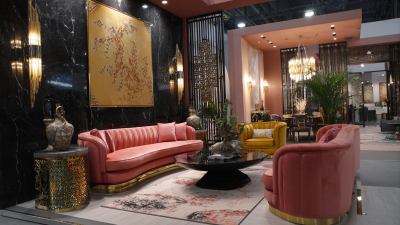
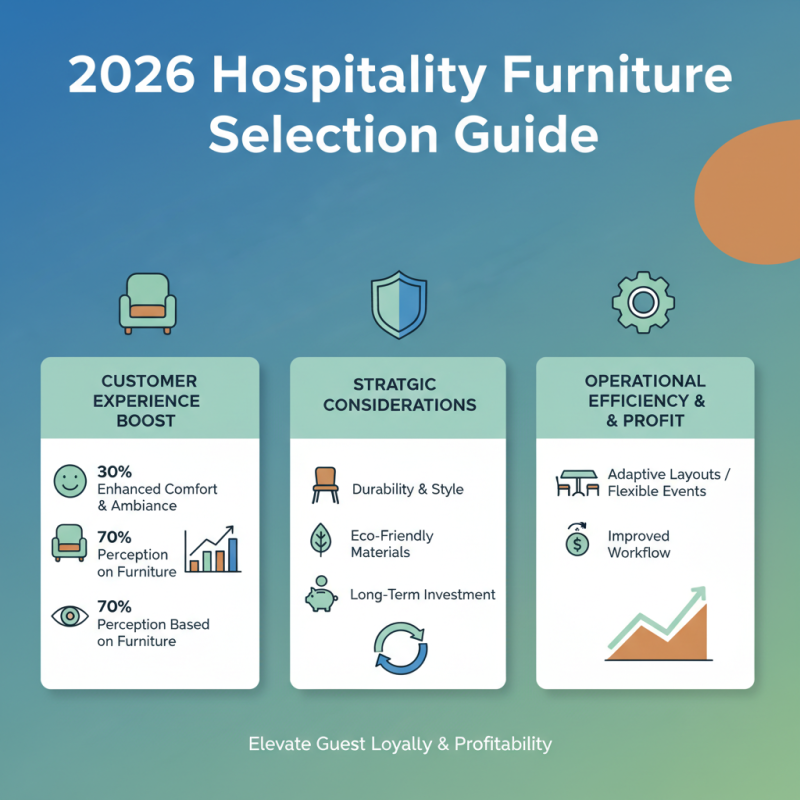
Choosing the right hospitality furniture is crucial for any business in the hospitality industry. Research shows that quality furniture can enhance customer experience by up to 30%. Proper seating arrangement and comfort are significant factors in customer satisfaction. Interestingly, 70% of customers base their perception of a space on its furniture alone.
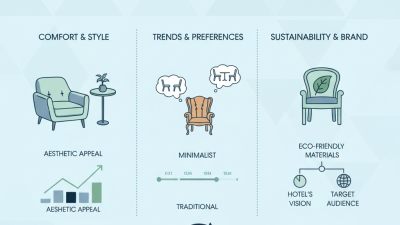
When selecting hospitality furniture, consider durability and style. Trends indicate that businesses prioritize sustainability, with 48% of operators opting for eco-friendly materials. Yet, some may overlook the long-term benefits of investing in high-quality pieces, leading to frequent replacements. This can strain budgets and degrade the brand image.
Additionally, the right furniture can influence operational efficiency. For instance, adaptive layouts allow for flexible arrangements to accommodate different events. However, many businesses underestimate the impact of furniture on workflow. A thoughtful choice in hospitality furniture can ultimately drive profitability and enhance guest loyalty.
Choosing the right furniture for your hospitality business requires attention to unique needs. Each type of establishment has different demands. A boutique hotel may prioritize elegance and comfort, while a casual café may focus on durability and ease of cleaning. Understanding your target audience is key.
Consider the layout of your space. A cramped area needs furniture that does not overwhelm. Look for compact designs that maximize functionality. Lighting and color also matter greatly. Cozy, warm tones can create a welcoming atmosphere. Some might overlook these details, but they significantly impact guest experience.
Comfort is non-negotiable. Sofas should invite guests to sink in and relax. Tables need to be the right height. Pay attention to how people interact with the furniture. Are they comfortable? Do they feel at ease? It’s essential to reflect on whether your choices align with your brand image and guest expectations. Balancing aesthetics and practicality is crucial. Mistakes can be costly, so be sure to measure twice and consider feedback from your team.
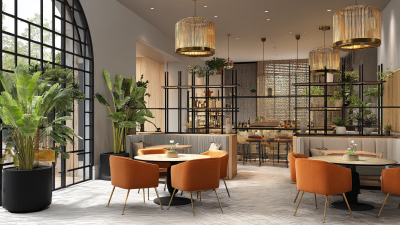
Choosing the right hospitality furniture begins with understanding materials. Wood offers warmth and durability. However, it can be heavy and expensive. Consider your space and budget before committing to solid wood pieces.
Metal is another option. It’s often lightweight and modern. However, it may not provide the cozy feel some establishments want. Also, it can be prone to rust if used outdoors. Balancing aesthetics and functionality is crucial when selecting metal furniture.
Upholstered options add comfort but require maintenance. Stains and wear can be issues, especially in high-traffic areas. Look for materials that are easy to clean and withstand frequent use. Reflect on how your choices impact client experience. Avoid hasty decisions. Choosing the right materials takes thought and research.
| Material Type | Durability | Maintenance Level | Aesthetic Appeal | Cost |
|---|---|---|---|---|
| Wood | High | Medium | Warm & Elegant | $$$ |
| Metal | Very High | Low | Modern & Sleek | $$ |
| Plastic | Medium | Very Low | Varied Colors | $ |
| Upholstered | Medium | High | Comfortable & Inviting | $$$ |
| Bamboo | High | Medium | Eco-Friendly & Natural | $$ |
When choosing hospitality furniture, style and aesthetic play a vital role. Your furniture must reflect your brand's identity. Consider colors, materials, and shapes that resonate with your audience. An elegant restaurant may need sleek, modern designs while a cozy café might benefit from rustic wooden tables. Every piece contributes to the story you want to tell.
Think about the emotions you want to evoke. Vibrant colors can energize a space, while soft tones create warmth. However, overloading a space with contrasting styles can lead to confusion. It's essential to strike the right balance. Aim for cohesion, but allow room for reflection and evolution.
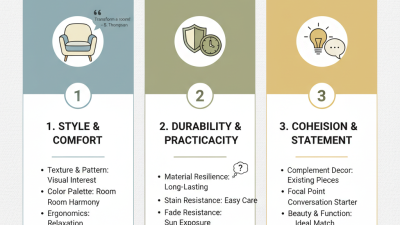
Consider the practicality of your choices too. Some designs may look appealing but may not withstand daily wear and tear. Challenge yourself to find furniture that combines beauty and durability. Select pieces that align with your vision while being functional for your staff and guests. Aim for style, but do not ignore reality.
Choosing the right furniture for hospitality can be challenging. Durability and maintenance are critical factors. According to a recent industry report, about 30% of furniture in hotels is replaced every five years due to wear and tear. Selecting sturdy materials can drastically reduce these costs.
Wood and metal are popular choices. They offer strength and longevity. Research indicates that upholstered furniture should use commercial-grade fabrics. These fabrics resist stains and tearing, which minimizes the need for frequent cleaning. However, it’s essential to notice that heavy usage can still lead to damage over time.
Maintenance doesn’t end after the initial selection. Regular upkeep is vital. For instance, cleaning chairs and tables with appropriate solutions prolongs their lifespan. Neglecting maintenance can lead to issues such as fading or deterioration. Have a plan in place for repairs and replacements. Commit to reviewing furniture at least twice a year. Being proactive can save money and enhance guest experience.
This chart illustrates the durability ratings of various materials commonly used in hospitality furniture. When choosing furniture, consider both durability and maintenance to ensure longevity and reduce overall costs.
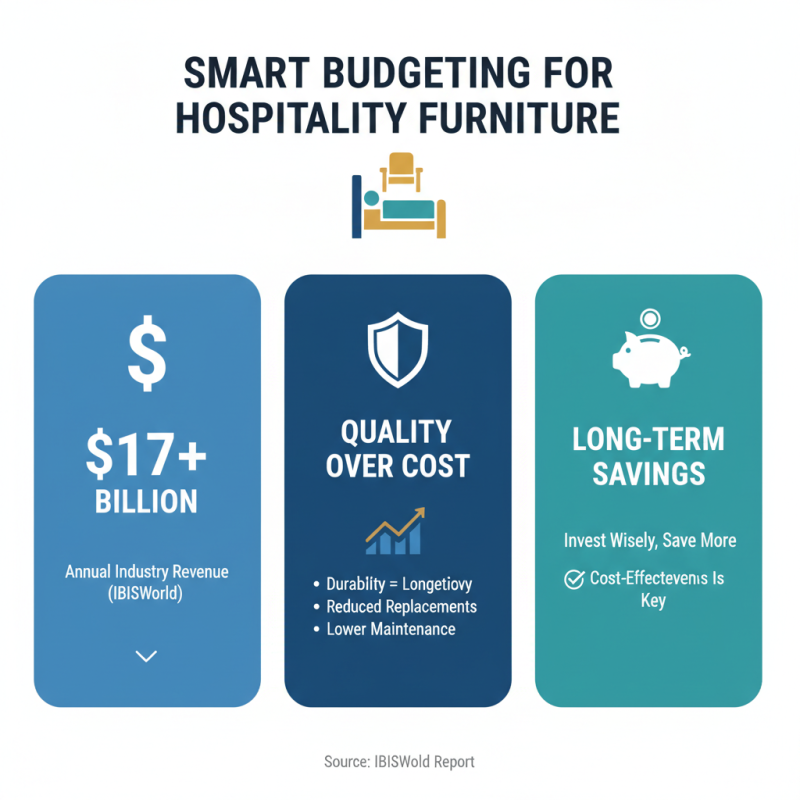
When budgeting for hospitality furniture, cost-effectiveness is key. A report from IBISWorld shows that the hospitality furniture industry generates over $17 billion annually. Many businesses often overlook the long-term savings associated with quality over initial costs. Investing in durable furniture can lead to lower replacement costs and reduced maintenance.
One common pitfall is underestimating the impact of quality materials. Cheaper options might seem attractive, but they often wear out quickly. A study indicated that furniture durability could affect customer satisfaction significantly. Customers notice the comfort and appearance of their surroundings. Uncomfortable seating can drive them away.
Balancing style and budget is challenging. Aesthetic choices can elevate a space, yet extravagant designs may not always yield returns. Allocating a budget of around 20% for furniture can be a starting point. However, unnecessary splurging often requires evaluation. Periodically reflect on furniture performance to ensure it meets your business needs effectively.