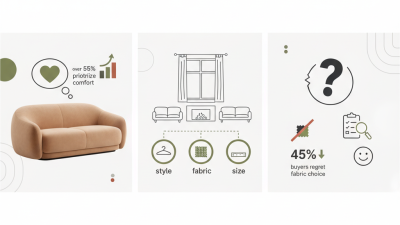
Choosing the right upholstered chairs can transform your living space. According to interior design expert Jessica Davis, "Upholstered chairs add comfort and style to any room." This statement emphasizes the importance of selection in creating a welcoming atmosphere.
When looking for upholstery, consider fabric quality and design. The textures can vary widely, impacting both comfort and aesthetic. For instance, velvet chairs offer luxury, while linen provides a more laid-back vibe. Remember, the color should complement your existing decor.
Don't overlook the chair's size. A large, overstuffed chair may look inviting but could overwhelm a small room. Conversely, a petite chair might feel lost in a spacious area. Reflecting on these details will help in making a thoughtful choice. Trust your instincts, but also consider the feedback you receive. Finding the perfect upholstered chair is not always easy, but the right one can truly enhance your space.
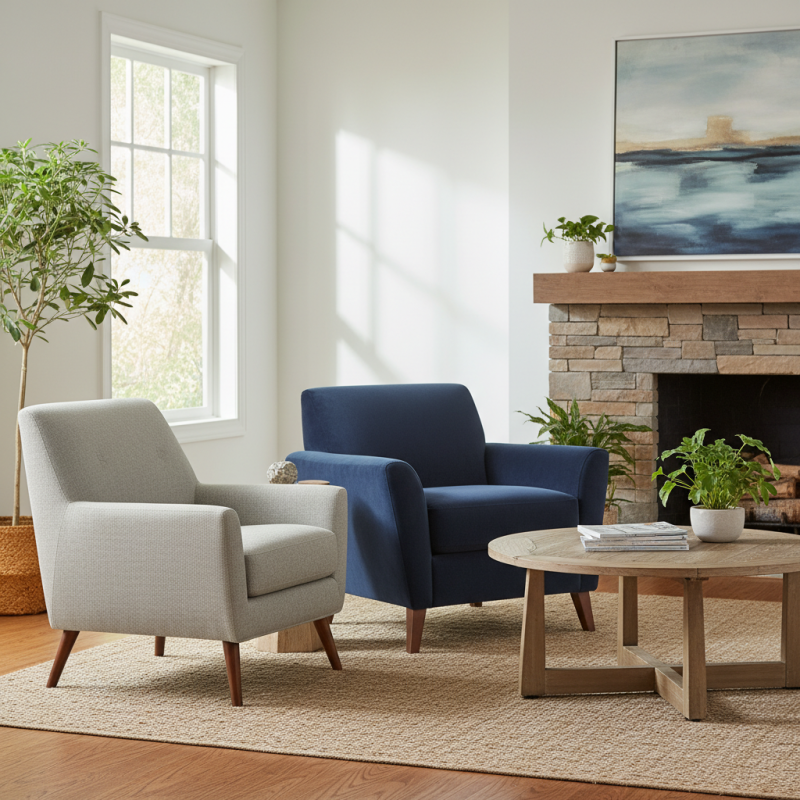
Choosing the right upholstered chair can transform your living space. It’s not just about comfort; aesthetics and functionality matter. A 2023 report by the American Home Furnishings Alliance states that 72% of consumers consider style crucial when selecting chairs. Color, texture, and design should blend seamlessly with your existing décor.
Durability is another key factor. Upholstered chairs are an investment. According to the Furniture Today market report, nearly 68% of buyers prioritize longevity in upholstered furniture. Look for quality fabrics and robust frame construction to ensure your investment lasts. Test the chair for comfort; a beautiful chair that isn't comfortable may not be worth it.
Size also plays a vital role. The right chair should complement your space without overwhelming it. The National Kitchen and Bath Association found that 58% of homeowners regret not measuring their space before purchasing. Take measurements to make informed decisions. Consider how the chair’s dimensions work with room layouts. Elevated seats and appropriate dimensions improve usability and comfort, making the selection process more rewarding.
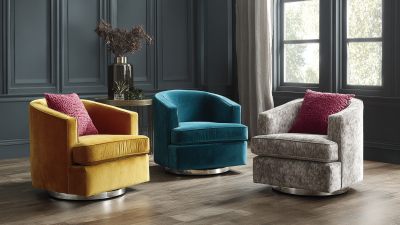
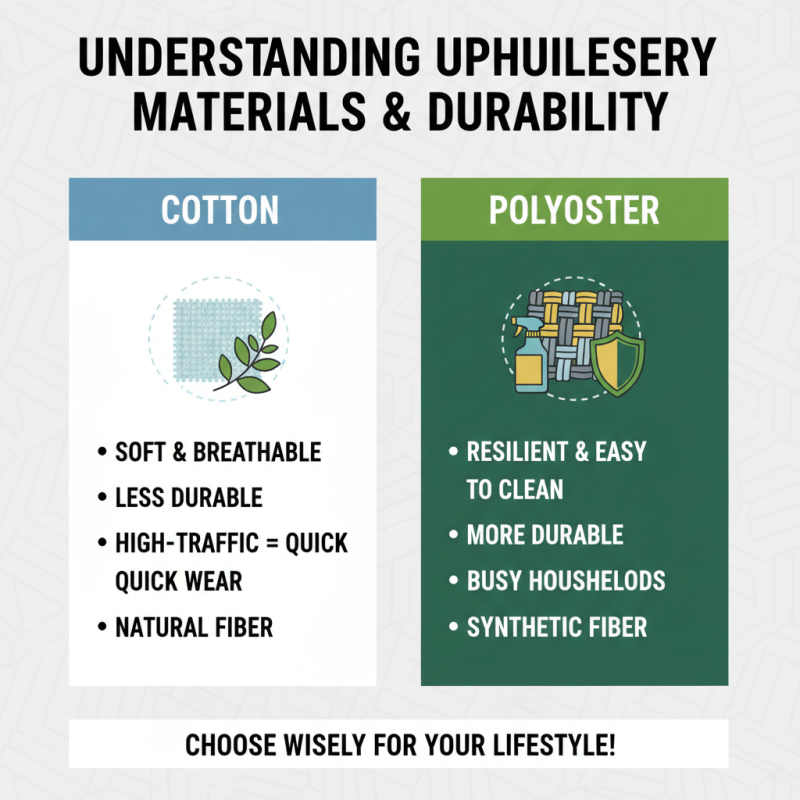
Choosing the right upholstery material is crucial for your chairs. Different fabrics offer various levels of durability and maintenance requirements. For instance, cotton is soft and breathable but can wear out quickly in high-traffic areas. On the other hand, polyester is more resilient and easy to clean, making it a popular choice for busy households.
Leather is another option, known for its sophisticated look and durability. It can withstand years of use with proper care. However, it may require conditioning to prevent cracks and fading. Natural fibers like linen provide an elegant touch but are prone to staining and require regular upkeep. Understanding these materials can significantly impact the longevity and appearance of your upholstered chairs.
Consider how the fabric feels and performs under different conditions. Think about the climate in your area too. For example, humid environments can affect the durability of some fabrics. Additionally, your lifestyle plays a critical role. Pets and children can wear out materials faster. Reflect on these details to make a well-informed choice that suits your needs.
When selecting upholstered chairs for your space, size and proportions are crucial. You want chairs that fit well within the room's layout, ensuring comfort and style. Start by measuring your available area. Consider the dimensions of the chairs and how they will interface with existing furniture. Make sure to leave enough space for movement. If your room is small, consider chairs with slim profiles. Oversized chairs can overwhelm a compact area.
Tips:
Look for chairs that have adjustable features. These can better fit various body types. Also, think about the chair height in relation to your sofa. Keep your seating levels consistent for a more cohesive look.
Don’t overlook visual weight. A visually lighter chair can open up space. A heavier, bulkier chair may make the room feel cramped. Experiment with placements. Sometimes, what seems right in theory might not work in practice. Take time to rearrange until you achieve the perfect fit.
Keep an eye on legroom too. Ensure that chairs leave enough space for dining or conversation. Proportions matter as much as aesthetics. A chair that looks stunning may not serve its purpose well. Be honest about your needs and preferences. This can lead to better choices.
When selecting upholstered chairs, size and proportions are crucial in ensuring the right fit for your room layout. The following chart represents average chair sizes and recommended room sizes to help you make the best choice.
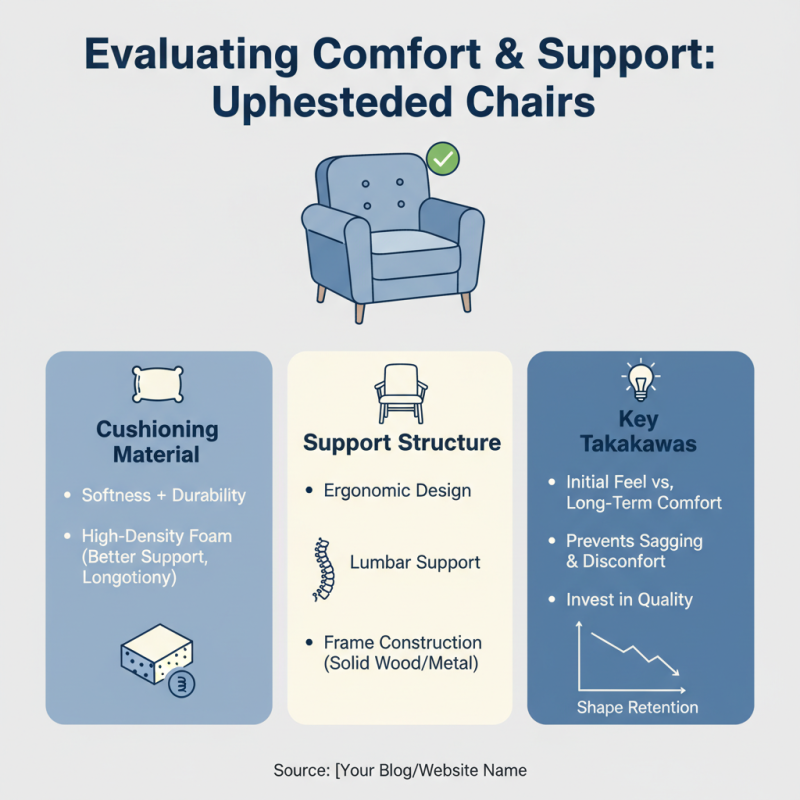
When selecting upholstered chairs, comfort and support are key factors. A chair's cushioning can make or break your experience. Look for materials that provide both softness and durability. Foam density matters; high-density foam offers better support over time. A chair may feel comfortable initially but could lose its shape quickly.
Support features also play a vital role. Check the chair's backrest. It should align with your spine's natural curve. Test the seat height to ensure it matches your leg length. If your feet don’t touch the ground, discomfort can arise. An adjustable seat can be a valuable option for different users. Armrests are another consideration. They should support your arms without forcing you into an awkward position.
Don't overlook weight capacity either. An underestimated limit can lead to issues. While aesthetic appeal is essential, ensure the chair is built for comfort. Explore various options to discover your preferences. Consider a chair that fits your lifestyle and space. Balance style with the necessity of comfort for a functional addition to your home.
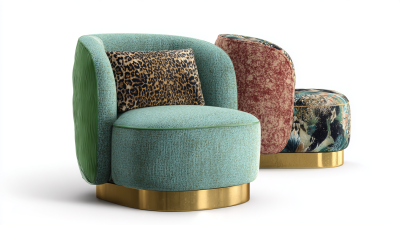
When integrating upholstered chairs into your interior style, consider current design trends. Upholstered chairs are not just functional; they also serve as statement pieces. Data from the 2023 Furniture Trends Report indicates that 42% of homeowners are opting for bold patterns and colors. This choice adds personality to the space and allows for personal expression.
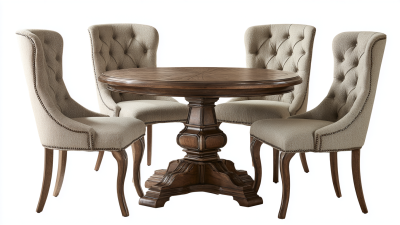
Mixing textures can enhance the visual appeal of a room. For instance, pairing a velvet chair with a wooden table creates a dynamic look. It's essential to consider the color palette and existing decor. Coordinating hues across furnishings can lead to a harmonious environment. The report shows that 65% of interior designers recommend a cohesive color scheme to elevate a room's aesthetics.
Tips: Always test textures in your living space. How does the chair feel against your skin? Is it comfortable enough for prolonged use? Incorporating unexpected elements can also be effective. Think about placing a vintage chair in a modern setting. This tension between styles can create intrigue. Remember, balance is key. Too many bold choices can overwhelm the senses.