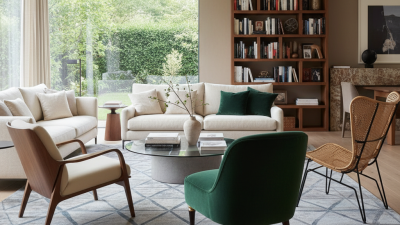
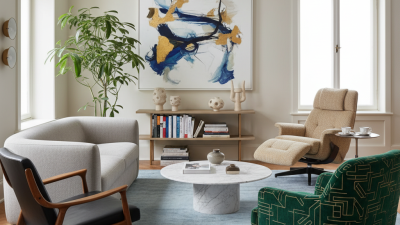
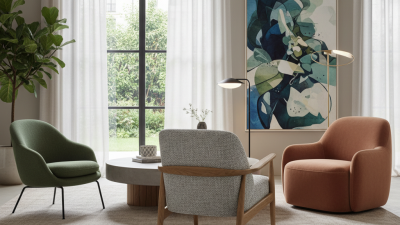
In today’s modern living and working environments, the choice of furniture significantly impacts overall aesthetics and functionality. Designer chairs have emerged as a popular option for enhancing both home and office spaces. According to a recent report by the Furniture Manufacturers Association, the demand for designer chairs has surged by 30% over the past three years. This growth underscores their importance in contemporary design.
Expert interior designer Julia Hart emphasizes their value: “Designer chairs are not just seating; they are statements.” This viewpoint resonates with many who seek to make an impression through thoughtfully curated spaces. Designer chairs blend comfort with artistry, appealing to those who appreciate craftsmanship. However, high-quality designer chairs come with a price. This might make them seem less accessible to some consumers.
While the appeal is clear, it’s crucial to reflect on personal style and practicality. Not every designer chair fits every space. Some options may lack the ergonomic support needed for long working hours. We must weigh aesthetics against comfort and utility, ensuring our choices reflect our unique needs.
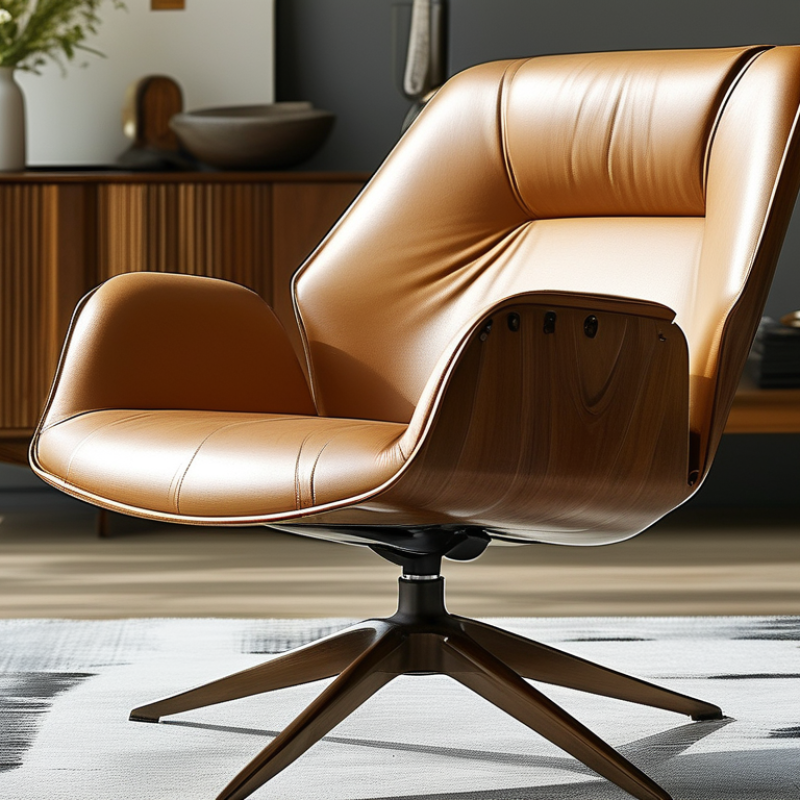
Designer chairs are more than just seating; they are focal points in your home or office. The aesthetic appeal of these pieces is undeniable. A well-chosen designer chair can transform a dull corner into a vibrant space. The right chair complements your interior design and showcases your style. Whether sleek and modern or cozy and traditional, they add character to any room.
When selecting a designer chair, consider the overall theme of the room. Look for colors and materials that complement your existing décor. A bold color can serve as a statement piece, while neutral tones offer versatility. Pay attention to the lines and shapes; they impact the visual flow of the space significantly. Remember to balance comfort with aesthetics. An uncomfortable chair, no matter how beautiful, will not enhance your environment.
Tips: Always think about scale. A large chair can overwhelm a small room. Conversely, a tiny chair may get lost in an expansive space. Experiment with different placements to see what works best. You might be surprised by how a chair's positioning affects the room's energy. Don't hesitate to rethink your choices if something doesn't feel right. Listen to your intuition and adjust accordingly.
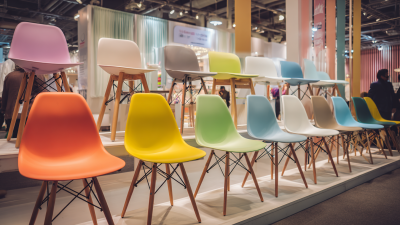
Choosing designer chairs for your home or office involves more than mere aesthetics. Functionality and comfort are at the heart of this decision. A designer chair often features ergonomic shapes that naturally support your body. This design encourages proper posture and reduces the risk of discomfort during long hours of sitting. Not all chairs offer this support, leading to fatigue and pain over time.
Comfort goes hand in hand with functionality. Many designer chairs utilize high-quality materials that enhance your sitting experience. Soft padding and breathable fabrics provide a cozy feel while maintaining durability. The visual appeal of these chairs can also create an inviting atmosphere. However, not every design suits every individual. Personal preference plays a crucial role. It's essential to test a chair before committing to it. Finding the right fit may require some trial and error.
Investing in a designer chair can also elevate your space. These pieces often become focal points in a room. They convey a sense of style and thoughtfulness in design. Yet, there’s a risk of choosing purely for looks. It’s vital to remember that aesthetics should not overshadow comfort. Reflecting on your needs is key. Consider how you use your space and how a chair fits into that dynamic.
Designer chairs are not just about aesthetics; they offer remarkable durability and quality. Many industry reports highlight that high-quality materials used in designer chairs significantly extend their lifespan. According to a study by the International Furniture and Design Association, premium seating options can last up to 20 years, outperforming lower-priced alternatives that might only endure five years. Investing in designer chairs can yield long-term savings, despite the higher initial cost.
Tips: Consider the warranty period when purchasing. A longer warranty often indicates confidence in the product's durability.
Durability in designer chairs often comes from expert craftsmanship and materials. For example, chairs made with solid wood frames and high-density foam padding resist wear and tear better than their less expensive counterparts. A report from the Furniture Research Institute suggests that investing in ergonomically designed chairs can also boost productivity by up to 17%. This aspect is particularly important in office settings, where comfort directly impacts performance.
Tips: Test the chair for comfort and support. Spend a few minutes sitting to ensure it fits your body well.
However, it is vital to choose wisely. Not all designer chairs are created equal. Some may prioritize form over function, leading to discomfort. It's essential to reflect on your specific needs and the chair's ergonomic design. By focusing on both durability and user comfort, you can make an informed choice that enhances your home or office space significantly.
Designer chairs offer unique versatility, adapting seamlessly to various environments. In a home setting, they can elevate a simple living room. Imagine a sleek chair that invites you to unwind after a long day. Its shape and color can transform the space's overall vibe.
In office spaces, designer chairs blend comfort with professionalism. An ergonomic chair not only supports long hours of work but adds elegance to the office decor. Picture a workspace where creativity flourishes. However, it’s important to consider personal taste and functionality. Not every designer chair suits every individual's style.
Many may overlook how a chair's height or material can affect comfort. It's worth testing them in real settings. This showcases their adaptability in other contexts too, like cafes or public spaces. Reflecting on these aspects can lead to better choices that enhance any environment. The right chair can make all the difference in both aesthetics and comfort.
Designer chairs can transform the mood of any space. Their shapes, colors, and materials create a unique atmosphere. With a striking chair, you invite creativity and comfort. A minimalist chair can enhance a modern office. Its sleek lines can promote focus and productivity. In a living room, a bold designer piece can be a conversation starter.
Consider the textures in your environment. A leather chair may feel luxurious, while a fabric option offers warmth. These details impact how people perceive the space. However, choosing the right design is challenging. What suits one room may clash in another. It's vital to think about harmony within your home or office.
A designer chair often serves as a statement. It conveys style and intention. But not every choice will resonate. Sometimes, the most aesthetically pleasing options may not provide comfort. Reflect on how you use your space. Prioritizing function alongside style leads to better decisions. Balancing these factors ensures a cohesive and inviting atmosphere.
This bar chart represents the importance rating of various factors that contribute to the choice of designer chairs for home or office spaces. The ratings reflect the perceived value of comfort, aesthetics, durability, price, and versatility in enhancing overall atmosphere.