Why Choose Hydrolyzed Whey Protein Powder?

Hydrolyzed Whey Protein Powder is made from whey protein that has been partially broken down into smaller peptides. This processing step may make the powder easier for some people to digest, but it does not guarantee better results for everyone. Taste, price, ingredients, and personal tolerance still matter. Details matter.

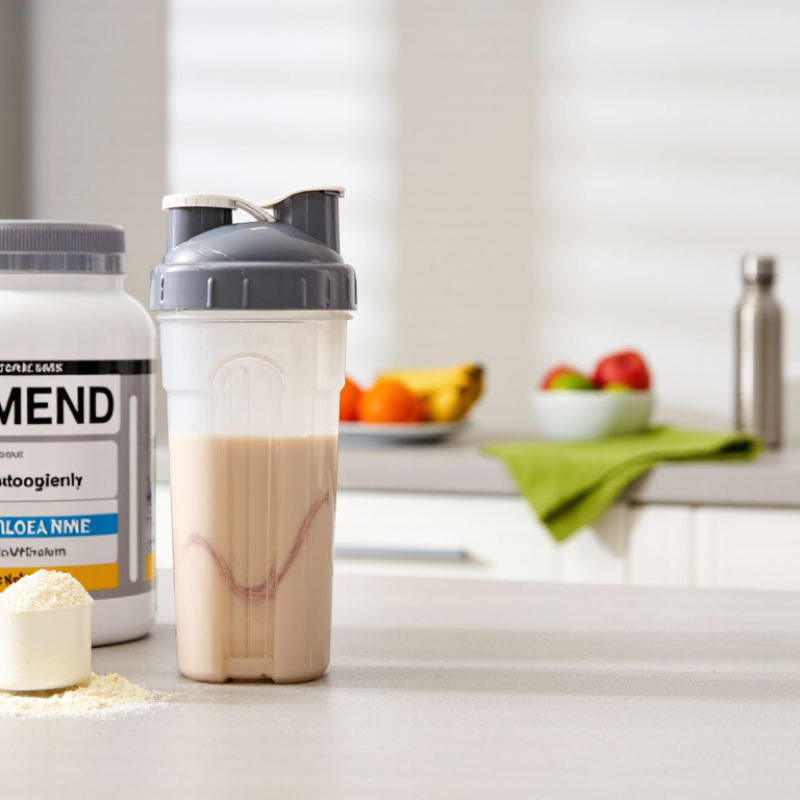
For athletes, a scoop mixed into a shaker can offer a convenient way to add protein after training or between meals. The best choice depends on your diet, goals, and how your body responds—not just the label. Check the protein content per serving, added sugars, flavorings, and independent quality testing where available. People with milk allergies should avoid whey; those with dietary or health concerns can ask a qualified health professional for guidance.

Why choose this form over regular whey? The answer depends on what you value. Hydrolysis changes the protein structure, yet it does not automatically make a product more effective or suitable. Some powders also cost more or have a bitter aftertaste. Those trade-offs are easy to overlook when packaging emphasizes speed or performance. A closer look helps separate useful product features from broad marketing claims. This guide explores how hydrolyzed whey is made, what evidence can and cannot tell us, and which practical factors deserve attention before buying. There is no perfect powder. A thoughtful comparison is a better starting point.
Why Choose Hydrolyzed Whey Protein Powder?

What Hydrolyzed Whey Protein Powder Is

Hydrolyzed Whey Protein powder is whey protein that has been treated with enzymes or other processing methods to break some proteins into smaller peptides. Think of it as a chain partly snipped into shorter links. It still contains amino acids, including the essential amino acids used to build body proteins. The extent of breakdown varies by product, so “hydrolyzed” does not describe one identical formula.

Here is the practical detail. The International Society of Sports Nutrition’s 2017 position stand reports that most exercising people can meet their protein needs with about 1.4–2.0 grams per kilogram of body weight daily. That figure refers to total daily protein, not a required amount of hydrolyzed whey. A scoop may mix easily into a shaker, but its protein content depends on the product label. Check the serving size and protein grams. Processing can also affect taste and cost, while smaller peptides do not guarantee better results for everyone. The label can sound more precise than the real-world difference. That deserves a closer look.

How Whey Protein Is Hydrolyzed

How Whey Protein Is Hydrolyzed

Whey hydrolysis is a controlled form of protein digestion. Manufacturers dissolve whey in water, then add food-grade enzymes that cut some protein bonds. The result is a mixture of shorter peptides and free amino acids. Think of long protein strands being snipped into smaller pieces—not transformed into a completely different nutrient. The U.S. Dairy Export Council describes whey as roughly 20% of milk’s protein, with casein making up most of the rest.

Enzyme choice, temperature, pH, and processing time affect the final peptide profile. Producers stop the reaction by deactivating the enzymes, then may filter and dry the liquid into powder. Not magic. The amount of bond cleavage, called the degree of hydrolysis, helps characterize the process, but there is no single level that defines every hydrolysate. A 2018 review in the Journal of Dairy Science discusses how processing changes whey proteins’ functional properties; it does not mean every powder behaves identically.

Hydrolysis can make a powder taste more bitter, because smaller peptides may expose bitter-tasting parts of proteins. That trade-off matters in a shaker cup. And “hydrolyzed” alone does not prove faster recovery or better results. A 2017 position stand from the International Society of Sports Nutrition notes that total daily protein intake and training are key considerations. Processing details and serving size still deserve a careful look.

Why Choose Hydrolyzed Whey Protein Powder? — How Whey Protein Is Hydrolyzed

Hydrolysis uses enzymes or acid to break some peptide bonds in whey proteins, producing shorter peptides. The chart shows approximate chain lengths of two major whey proteins before hydrolysis; the size and mix of peptides afterward vary with the protein source and processing method. Hydrolyzed whey is not guaranteed to be absorbed faster or work better for everyone.

How Hydrolysis Affects Digestion and Absorption

Hydrolyzed whey protein has been treated with enzymes that break some of its proteins into smaller peptides. This step resembles part of digestion, which also uses enzymes to dismantle protein. The powder may mix into a thin drink, sometimes with a slightly bitter taste. Small details, but noticeable.

Smaller peptides can be easier for the digestive system to process, though that does not guarantee dramatically faster absorption for everyone. The body still digests and absorbs nutrients through several steps. For many healthy people, the difference between hydrolyzed and intact whey may be modest.

That matters. A person who feels heavy or bloated after a regular shake might tolerate a hydrolyzed version better, but individual responses vary. Lactose can also cause symptoms, and hydrolysis does not necessarily remove it; check the nutrition label if lactose is a concern.

Timing, serving size, and the rest of a meal can influence how a protein drink feels. It is tempting to treat “pre-digested” as automatically superior. It isn’t. Consider how your stomach responds, and choose a powder that fits your needs rather than assuming smaller peptides will solve every digestion problem.

Potential Benefits and Common Uses

Hydrolyzed whey protein is whey that has been broken into smaller protein fragments through processing. This can make it easier to mix and may help digestion for some people, though responses vary. It is not automatically better for everyone. People with a milk allergy should avoid whey, and those with lactose sensitivity should check the product’s lactose content.

Its most common use is a convenient protein source after exercise or between meals. A scoop stirred into a shaker can be practical when a full meal is not available. Protein supports muscle repair and maintenance, but total daily intake, training, sleep, and overall diet matter too. Timing is less important than meeting suitable nutritional needs over time.

Some people choose hydrolyzed whey because they find it gentler on the stomach or easier to drink. Others notice no difference, or dislike its taste and cost. That is worth considering. Read the ingredient and nutrition labels, especially if you have dietary restrictions or a medical condition. A registered dietitian or clinician can help assess whether it fits your needs. Protein powder is a supplement, not a replacement for varied meals.

How to Evaluate a Hydrolyzed Whey Protein Powder

Why Choose Hydrolyzed Whey Protein Powder?

How to Evaluate a Hydrolyzed Whey Protein Powder

Start with the ingredient list, not the front label. Look for hydrolyzed whey protein as a main protein source, and check how much protein each serving provides. “Hydrolyzed” means proteins have been broken into smaller peptides; it does not guarantee faster results or better outcomes for everyone. Check for added sugars, flavorings, and ingredients that may not suit your diet. A sweet vanilla powder can taste pleasant in water, but it may be too sweet after daily use.

Consider your needs and tolerance. If dairy causes symptoms, hydrolyzed whey is still a milk-derived product, so it may not be suitable; ask a qualified health professional when unsure. Compare serving size with protein content, and check whether the package gives clear allergen and nutrition information. Look for independent quality testing where available, while remembering that testing standards can vary. Mix a small serving with water first. Notice the texture and how your stomach feels. That is useful evidence, though not a clinical test. I would not judge a powder by one workout, and labels can make comparison harder than it should be.