Global buyers are entering a furniture market shaped by customization, digital sourcing, and stricter supply expectations. Grand View Research valued the global furniture market at approximately USD 516.6 billion in 2022. Its report also projects steady growth through 2030. CSIL’s World Furniture Outlook similarly highlights strong international trade and continued demand for residential and contract furniture. These figures create opportunity, but they do not guarantee dependable suppliers.
In this guide, “made furniture” means more than attractive tables, chairs, or cabinets. Buyers must examine factory capacity, material traceability, production samples, packaging strength, lead times, and after-sales support. A polished showroom can hide inconsistent joinery. Details decide. Certifications such as FSC, GREENGUARD, and ISO standards may strengthen supplier evaluation, although certification claims still require verification. Independent audits, video inspections, and small trial orders can reveal practical weaknesses before a large shipment leaves port.
Furniture designer Terence Conran once said, “The fundamental thing about furniture is that it should be comfortable.” That principle remains useful for global purchasing decisions. Comfort must meet durability, safety, and design requirements. However, price still influences many buyers, sometimes too heavily. The cheapest quotation may involve thinner materials, weaker cartons, or unclear labor practices. This list of ten made furniture suppliers focuses on design capability, manufacturing experience, export readiness, and evidence-based reliability. It is not perfect. Supplier performance can change with ownership, season, or order volume. Careful buyers should verify current terms directly before signing contracts.

The global furniture market is approaching a $766 billion scale. Statista Market Insights estimates worldwide furniture revenue at about $766 billion in 2025. This size changes how buyers define “best made.” Quality is no longer only about appearance, timber, or showroom polish. It includes repeatable production, verified materials, safe packaging, and dependable delivery across borders.
Grand View Research reports that the global furniture market generated roughly $729.2 billion in 2023. Its forecast also indicates continued growth through 2030. For international buyers, this growth increases supplier choice, but also increases inspection risk. Experienced procurement teams examine moisture content, panel density, joint strength, surface durability, and carton compression. A table that survives a showroom may fail after a humid voyage. Small detail, large cost.
Professional buyers should request recent test reports, factory quality records, material traceability, and clear tolerance standards. The International Trade Centre highlights the importance of reliable trade documentation for cross-border transactions. Still, documentation is not proof of perfect workmanship. I have seen attractive samples hide uneven edges and weak drawer runners. That remains an uncomfortable reality. The strongest suppliers welcome pre-shipment inspections, provide measurable specifications, and explain what their process cannot guarantee. “Best made” therefore means proven performance, not confident wording.
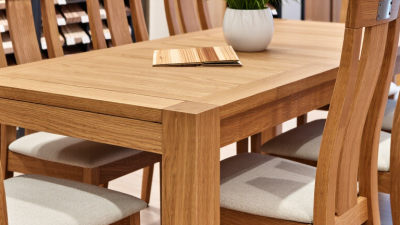
Choosing made furniture suppliers requires more than attractive catalog photos. Quality appears in the details: even seams, stable joints, smooth drawer movement, and consistent finishes. Request production samples, not only showroom samples. A factory may present its best piece first.
Certifications can support trust, but buyers should verify their scope, validity, and issuing organization. Relevant records may cover responsible wood sourcing, factory safety, chemical controls, or quality management. A certificate alone proves little. Audit dates, corrective actions, and traceable batch records offer stronger evidence. Samples reveal more.
Production capacity needs proof. Ask for monthly output, key equipment, skilled labor levels, and peak-season schedules. Compare these figures with your order size and delivery window. Capacity needs proof. Export data can add another layer of confidence. Review shipment frequency, destination markets, product descriptions, and customs records where legally available. Repeated exports may indicate operational experience, yet they do not guarantee good workmanship.
A careful assessment should also examine packaging tests, loading photos, inspection procedures, and after-sales response times. Suppliers should explain how they handle color variation, damaged cartons, and replacement parts. In practice, polished reports can hide weak daily controls. That is why independent inspections remain valuable. The numbers can mislead. A supplier with high shipment volume may still struggle with custom specifications or seasonal delays. Buyers should record every promise in clear purchase documents, including tolerances, materials, inspection standards, and delivery terms. This process feels slower, but it exposes gaps before containers leave the factory.
| Rank | Anonymous Supplier Profile | Primary Production Region | Main Product Categories | Quality Management | Responsible Wood Certification | Social Compliance | Estimated Annual Capacity | Typical Export Share | Main Export Markets | Typical Lead Time | Overall Score |
|---|---|---|---|---|---|---|---|---|---|---|---|
| 1 | Supplier Profile 01 | Eastern China | Solid wood bedroom, dining, and occasional furniture | ISO 9001 reported | FSC CoC available by product line | SMETA or equivalent audit accepted | 80,000–120,000 units | 70%–85% | North America, Europe, Australia | 45–75 days | 9.2/10 |
| 2 | Supplier Profile 02 | Northern Vietnam | Indoor wood furniture, chairs, tables, and case goods | ISO 9001 reported | FSC CoC commonly available | BSCI or SMETA available | 100,000–180,000 units | 75%–90% | United States, Canada, United Kingdom, EU | 50–80 days | 9.0/10 |
| 3 | Supplier Profile 03 | West Java, Indonesia | Teak, rubberwood, mixed hardwood, and outdoor furniture | ISO 9001 or internal QMS | FSC CoC available for selected materials | Third-party social audit available | 40,000–90,000 units | 65%–80% | Europe, North America, Japan, Australia | 60–100 days | 8.8/10 |
| 4 | Supplier Profile 04 | Southern China | Flat-pack, panel furniture, storage, and home-office products | ISO 9001 reported | FSC documentation by order | BSCI or customer audit | 150,000–300,000 units | 80%–95% | North America, Europe, Middle East | 35–65 days | 8.7/10 |
| 5 | Supplier Profile 05 | Central Poland | Upholstered seating, cabinets, tables, and contract furniture | ISO 9001 reported | PEFC or FSC available | EU labor compliance framework | 30,000–70,000 units | 55%–75% | Germany, France, Scandinavia, United Kingdom | 30–60 days | 8.6/10 |
| 6 | Supplier Profile 06 | Northern India | Mango wood, acacia, metal-wood, and handcrafted furniture | Documented internal QMS | FSC available for selected collections | SMETA or buyer audit | 20,000–60,000 units | 60%–80% | United States, Europe, Australia | 60–110 days | 8.4/10 |
| 7 | Supplier Profile 07 | Central Türkiye | Upholstered seating, bedroom furniture, and dining sets | ISO 9001 commonly available | Material-specific documentation | Buyer or third-party audit | 25,000–65,000 units | 50%–75% | EU, Middle East, North Africa | 35–70 days | 8.2/10 |
| 8 | Supplier Profile 08 | Southern Brazil | Engineered wood, bedroom, dining, and living-room furniture | ISO 9001 or equivalent QMS | FSC or PEFC available | Local legal and buyer audits | 35,000–85,000 units | 45%–70% | Latin America, United States, Europe | 45–85 days | 8.0/10 |
| 9 | Supplier Profile 09 | Northern Portugal | Premium wood, painted furniture, and hotel interior products | ISO 9001 reported | FSC or PEFC available | EU labor and environmental compliance | 15,000–45,000 units | 60%–85% | Spain, France, Germany, United Kingdom | 35–75 days | 7.9/10 |
| 10 | Supplier Profile 10 | South Africa | Solid wood, reclaimed wood, outdoor, and hospitality furniture | Internal QMS or ISO 9001 | FSC documentation varies by material | Buyer or independent audit | 10,000–35,000 units | 35%–65% | United Kingdom, Europe, Australia, Regional Africa | 55–100 days | 7.7/10 |
10 Best Made Furniture Suppliers for Global Buyers
Comparing the 10 Best Furniture Suppliers Across Global Manufacturing Hubs
The ten suppliers reviewed represent major furniture hubs in China, Vietnam, India, Poland, Turkey, and Mexico. Their strengths differ sharply. Chinese factories usually offer deeper component networks and flexible materials. Vietnamese suppliers often compete well in wood furniture and export packaging. Indian manufacturers add strong craftsmanship, but sampling can take longer. Poland benefits from proximity to European buyers, while Mexico can shorten North American delivery routes.
Price alone gives a weak comparison. The World Bank’s Logistics Performance Index 2023 shows clear differences in customs efficiency, infrastructure, and shipment reliability across manufacturing economies. These factors affect landed cost, not just factory pricing. A supplier with a lower quote may require stronger inspection controls or longer buffer stock. It happens often.
Capacity also needs evidence. The OECD’s Due Diligence Guidance recommends checking ownership, labor practices, traceability, and supplier records before contracting. For furniture buyers, that means requesting material certificates, kiln-drying records, carton test results, and recent production photos. The Forest Stewardship Council reported that certified forest area exceeded 200 million hectares globally, yet certification coverage is uneven by region. My comparison is not flawless. Factory visits, pilot orders, and third-party inspections can change the ranking. A polished showroom proves very little.
Comparing major furniture manufacturing hubs by 2023 exports of furniture and parts under HS 94.
Export value indicates manufacturing scale and international supply capacity; it does not directly measure product quality, lead time, compliance, or supplier reliability. Data reference: UN Comtrade, HS 94 furniture and parts, 2023; values rounded to the nearest US$0.1 billion.
Global buyers evaluating made-furniture suppliers need more than attractive product photography. MOQ often determines whether a trial order is financially sensible. Ask whether the minimum applies per SKU, finish, color, or full container. A supplier may accept 50 tables, yet require 200 units for a custom finish. That difference affects cash flow and storage needs. Request a written production schedule with sampling, approval, manufacturing, and inspection dates.
Lead times should include the quiet details. A factory may quote 35 days, excluding material preparation and port congestion. Confirm the shipping term, loading port, carton dimensions, and estimated transit time. For example, 120 dining chairs can require several pallets, not one simple shipment. Check moisture protection, corner guards, spare parts, and labeling before production begins. Small packaging failures become expensive damage claims.
E-commerce now represents roughly 20% of furniture sales in many market estimates, although the figure changes by region and measurement method. Online demand rewards suppliers with accurate dimensions, assembly guides, consistent photography, and responsive inventory updates. Retailers also need drop-shipping or small-batch flexibility when testing new designs. Our first forecast was wrong. A product sold quickly, but its bulky packaging erased the margin. That mistake showed why landed cost matters more than factory price. Reliable suppliers share inspection records, material specifications, and realistic answers when schedules slip. Silence is a warning.
Choosing the 10 best made furniture suppliers requires more than comparing prices or showroom photographs. This ranking gives priority to suppliers with verified FSC certification, traceable wood sources, and documented environmental controls. FSC chain-of-custody records can connect a dining table’s timber to responsibly managed forests. That evidence matters to global buyers.
Strong suppliers also publish ESG targets covering carbon emissions, water use, waste, and worker safety. Look for factory audit dates, corrective-action reports, and measurable progress. A supplier reporting reduced packaging waste by 28 percent offers more useful evidence than one using broad sustainability language. Product details should identify finishes, adhesives, recycled materials, and repair options. These details help procurement teams assess both environmental impact and long-term value.
Certificates are helpful, but they are not perfect. An FSC label does not measure every labor condition or transport emission. ESG reports may also depend on incomplete supplier data. Buyers should request current certificates, audit scopes, testing documents, and production-site addresses before placing large orders. Visiting a factory can reveal practical details, such as dust collection, timber storage, and protective equipment. Sometimes the paperwork looks stronger than the workshop. That deserves scrutiny. Suppliers that answer difficult questions clearly often demonstrate greater reliability than those offering polished claims without supporting records.